Fresh oysters wrapped in streaky bacon and grilled until the bacon crisps and the oyster just warms through. A classic Victorian English savoury, served on toast fingers with lemon.



Angels on Horseback is a classic Victorian English savoury, a course of small, salty, finger-food dishes served at the end of a meal or as a supper bite, popular in the gentlemen's clubs and hotels of the 19th century. The dish is simply fresh oysters wrapped in streaky bacon and grilled, served hot on fingers of toast with a squeeze of lemon. The name is fanciful, the 'angel' the pale oyster, the 'horse' the bacon it rides, and the dish is the sweet cousin of the prune-based 'Devils on Horseback'. Oysters were cheap Victorian fare, the food of the East End poor as much as of the rich, and the combination with bacon, salt and crisp against soft and briny, became a savoury staple. The dish appears in Mrs Beeton and in the menus of late-Victorian club dining, and survived into the 20th century as a dinner-party starter. The cooking is a matter of seconds, the oyster must warm but not cook to rubber, while the bacon must crisp, a contrast of timings that is the whole skill.
Crisp, smoky, salty bacon crackling at the edges around a soft, briny, just-warm oyster that bursts in the mouth. The toast soaks the bacon fat and oyster liquor; the lemon cuts both. Eaten in one bite, hot.
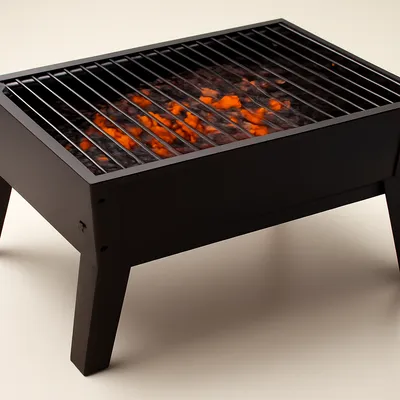
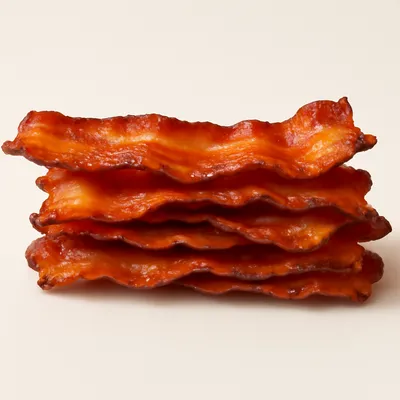
The dish is a study in two timings. Streaky bacon, the only cut that crisps and stays flat, is stretched thinly with the back of a knife to lengthen it, then wrapped around a fresh shucked oyster and secured with a cocktail stick. The bundles are grilled, close to the heat, for only 2 to 3 minutes, the goal being bacon that is crisp and rendered at the edges while the oyster inside is warmed through but not cooked past the point of tenderness, an oyster cooked a moment too long turns rubbery. The high heat and short time are why grilling, not baking, is the method. Toast fingers underneath catch the bacon fat and the oyster liquor that escapes, so nothing is lost. Lemon is the only seasoning, its acid cutting the richness and lifting the briny sweetness of the oyster. The dish must go from grill to mouth immediately, as the oyster toughens as it cools.
Variations
A smear of Worcestershire sauce on the oyster before wrapping is common. Some add a sliver of chicken liver or a piece of pickled walnut. Served on brown bread and butter rather than toast for a rustic version.
On the Palate
Where Angels on Horseback sits in the British flavor cloud
Ingredients
Serves 4How it's made
6 steps · 15 min
- 13 min
Preheat the grill to high; shuck 12 fresh oysters, catching their liquor in a bowl.
- 23 min
Cut 12 thin rashers of streaky bacon and stretch each with the back of a knife to lengthen it.
- 33 min
Lay an oyster at one end of each rasher, roll up to enclose, and secure with a cocktail stick.
- 43 min
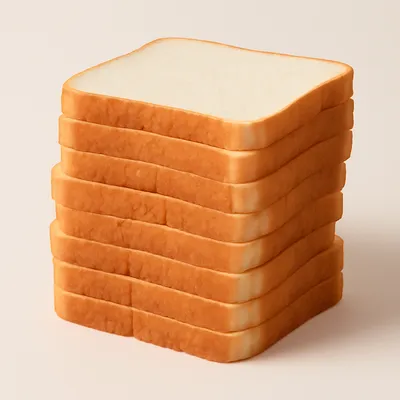
Toast 4 slices of white bread, butter them, and cut each into 3 fingers.
- 54 min
Place the bacon-wrapped oysters on the grill rack over a tray and grill for 2 to 3 minutes, turning once, until the bacon is crisp and the oysters just warmed.
Watch outGrill just 2 to 3 minutes until the bacon crisps and the oyster is only warmed through — an oyster cooked a moment past that turns rubbery.
- 64 min
Set each angel on a buttered toast finger, drizzle with a little of the reserved oyster liquor, and serve at once with lemon wedges.
Archive tool suggestions — not reviewed
These legacy suggestions have not been evidence-reviewed and are not presented as required tools.