A dome of white bread lining a pudding basin, packed with lightly cooked summer berries, weighted overnight so their crimson juices soak through every slice. Served cold with cream.
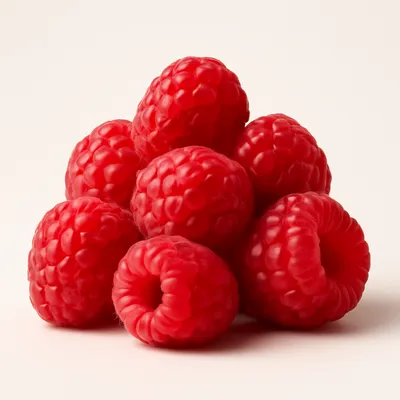




Summer pudding is a relatively recent English classic, emerging around the turn of the 20th century as a lighter, dairy-free alternative to the heavy steamed suet puddings of Victorian Britain. Its recognised predecessor was the 'hydropathic pudding' served at 19th-century health spas, where a cold bread-and-fruit dessert was considered more digestible and less fattening than pastry or suet. The name 'summer pudding' first appears in print around 1904, in the Queen Cookery Books series, and the dish was popularised through the 1920s and 30s as a way to use the glut of British soft fruit at the height of summer. By the postwar years it had become a fixture of the English summer table, reliant entirely on the quality of the fruit and the stale white loaf.
A cold, yielding, jewel-red slice: the bread has lost its dryness entirely and become a faintly tart sponge for the berries, which keep their shape but bleed juice. Cream softens the sharpness of the currants and raspberries.
The pudding works by capillary action: the basin is lined with day-old white bread, filled with berries cooked only briefly in their own sugar-thickened juice, then weighted down. Over 8 to 12 hours the juice is forced through the bread, dyeing it crimson right through to the outside crust, so that the bread dissolves into a soft, cohesive mass that holds its shape when unmoulded. Brief cooking of the fruit is critical, overcooked it collapses to jam and loses the fresh bite of whole currants. White sliced bread is specified because its fine, even crumb absorbs uniformly; wholemeal or seeded bread leaves mottled patches.
Variations
Autumn versions use blackberries and stewed apples. Some recipes add a splash of cassis or elderflower cordial. A shortcut lines the basin with brioche instead of white bread.
On the Palate
Where Summer Pudding sits in the British flavor cloud
Ingredients
Serves 6How it's made
6 steps · 30 min
- 15 min
Hull 300g each of raspberries and redcurrants, plus 200g blackberries; place in a pan with 150g caster sugar and 2 tbsp water.
- 25 min
Heat gently just until the sugar dissolves and the juices run, 3 to 4 minutes, no longer, then off the heat; the fruit must keep its shape.
Watch outHeat the fruit only until the sugar melts and juices run, 3-4 minutes max — cook longer and the berries collapse to jam and lose their fresh bite.
- 36 min
Cut the crusts off 8 slices of day-old white bread; line a 1-litre pudding basin with bread slices, overlapping slightly, pressing the seams to seal.
- 46 min
Spoon the fruit in with a slotted spoon, packing it well, then pour enough juice over to soak the bread; reserve any leftover juice.
Watch outSoak the bread lining fully with juice, leaving no pale dry patches — dry bread means the pudding won't hold together when you turn it out.
- 54 min
Cover the top with a final bread lid, trimmed to fit; place a small plate that fits inside the basin on top, weight it with heavy cans.
- 64 min
Refrigerate 8 to 12 hours; to serve, run a knife around the edge, invert onto a plate, brush with the reserved juice to patch any pale spots, slice and serve with cream.
Watch outChill a full 8-12 hours before unmoulding — rush it and the juice hasn't set the bread, so the whole thing slumps on the plate.
Archive tool suggestions — not reviewed
These legacy suggestions have not been evidence-reviewed and are not presented as required tools.



