
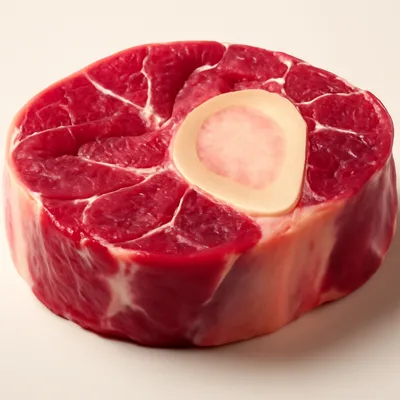
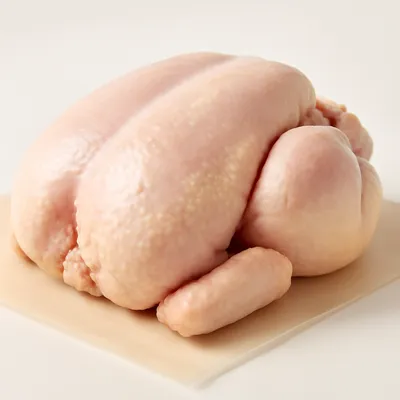
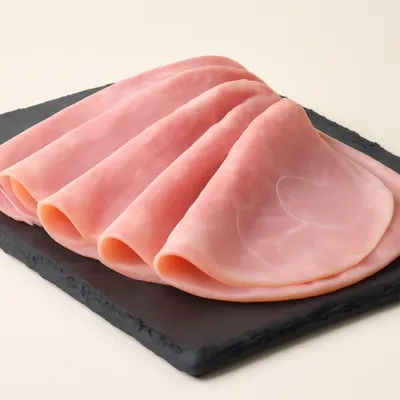
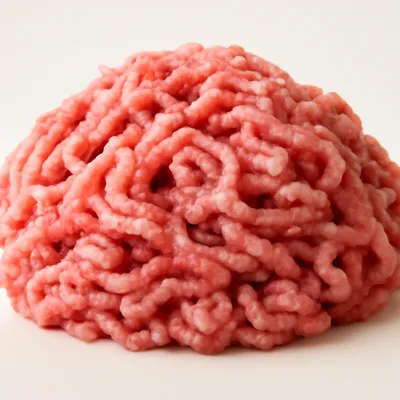
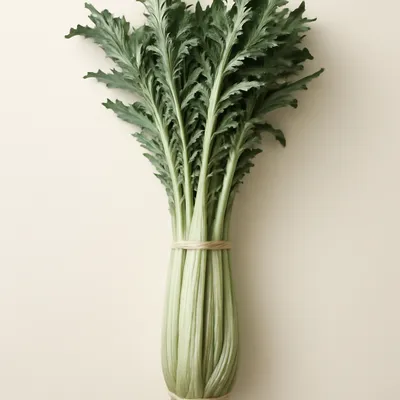
The Valencian version of the Spanish boiled meat-and-chickpea pot, simmered for hours into a clear, rich broth. Beef, chicken, a pork or ham bone, bacon, blood sausage, and chickpeas cook together with potato, carrot, and cardoon or other winter vegetables. Its signature is the pilota, a large oval meatball of minced pork seasoned with parsley, cinnamon, and pine nuts. It is eaten in two services: the strained broth first, turned into a soup with rice or fine pasta, then the drained meats and vegetables as the main plate.
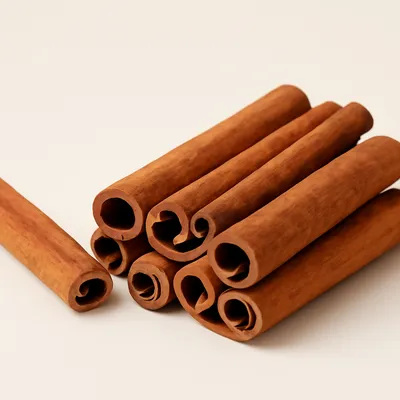

Putxero is the most representative everyday stew of the Valencian Community and was long the obligatory Sunday and feast-day meal, cooked from the household's chickpeas, winter vegetables, and the meats and sausages of the pig slaughter. The exact origin is unrecorded; it belongs to the broad Iberian family of cocidos and ollas, the slow boiled pots found across Spain. What sets the Valencian pot apart is the large pilota meatball, which is its defining and regionally distinctive element.
A clear golden broth, savoury and gently fatty from the long boil, served first over rice or thin noodles. The meats come soft and falling apart, the chickpeas creamy, the vegetables sweet. The pilota is the centrepiece: a dense, moist meatball perfumed with cinnamon and dotted with pine nuts, sliced and shared. Comforting and homely rather than refined, eaten in winter.
A clear, deeply flavoured broth is the goal, so the pot is brought up slowly and kept at a bare simmer; a rolling boil would emulsify the fat and cloud the liquid, and the surface scum is skimmed early. Bones and gelatinous cuts release collagen as gelatine for body, while the meats give up their savour to the water over hours. The pilota is bound with egg and often wrapped in a cabbage leaf so it holds its shape in the simmer instead of breaking apart. Serving the broth and the solids separately, the sopa and the bullit, is the traditional two-course structure.
Variations
The exact meats vary by household and budget: beef shank and chicken are usual, with morcillo, ham bone, bacon, and sometimes lamb. Cardoon (cardo) is the classic winter vegetable, with potato, carrot, turnip, and chickpeas. It is a close Valencian relative of the Catalan escudella i carn d'olla and the Madrid cocido madrileño, distinguished from them above all by its cinnamon-and-pine-nut pilota.
On the Palate
Where Putxero Valencià sits in the Spanish flavor cloud
Ingredients
Serves 6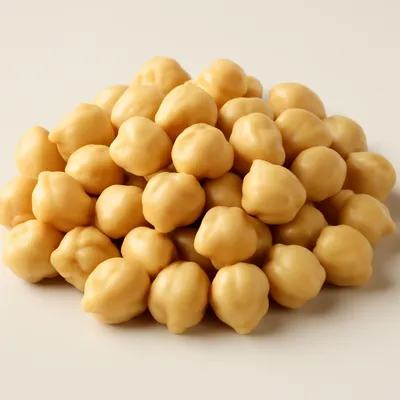

How it's made
7 steps · 30 min
- 1180 min
Soak 250 g chickpeas overnight, then drain.
- 215 min
Put the beef, chicken, ham bone, and bacon in a large pot, cover with cold water, bring slowly to a simmer, and skim off the foam.
Watch outBring it up slowly to a bare simmer and skim early — a rolling boil emulsifies the fat and clouds the broth you want clear.
- 390 min
Add the drained chickpeas in a net or directly, and simmer gently for about 1.5 hours.
- 415 min
Make the pilota: mix minced pork with egg, breadcrumbs, chopped parsley, pine nuts, a little cinnamon, and salt; form one large oval and wrap it in a cabbage leaf.
Watch outWrap the pilota in a cabbage leaf so it holds together in the simmer instead of breaking apart.
- 545 min
Add the pilota, potato, carrot, cardoon, and blood sausage, and simmer for a further 45 minutes until everything is tender.
- 615 min
Strain off the broth and cook rice or fine noodles in it to serve as the first-course soup.
- 75 min
Arrange the drained meats, pilota, chickpeas, and vegetables on a platter and serve as the main course after the soup.
Archive tool suggestions — not reviewed
These legacy suggestions have not been evidence-reviewed and are not presented as required tools.


