
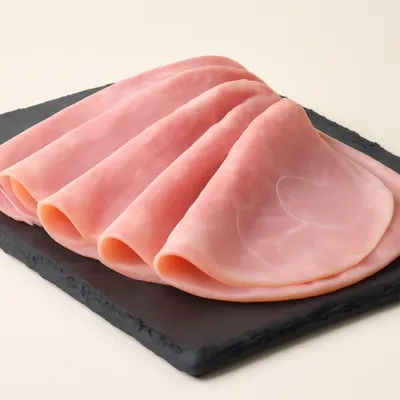
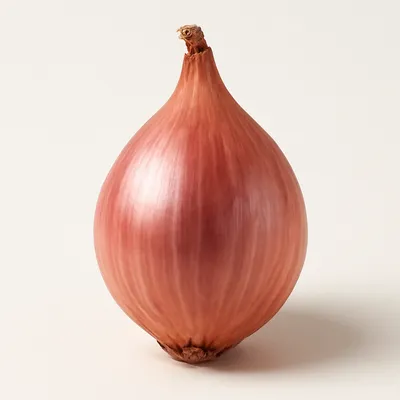
A Picardy gratin from around Amiens: a thin savoury crêpe rolled around a slice of cooked ham and a mushroom duxelles — button mushrooms chopped fine and cooked down with shallots and cream — then laid in a baking dish, napped with more cream (or a béchamel), dusted with grated Gruyère or Emmental, and baked until the top is golden and bubbling. Rich, soft and brown-topped, it is served as a main or a starter and is one of the emblematic dishes of the Hauts-de-France.




The ficelle picarde — Picard for 'Picardy string', after the thin rolled shape of the crêpe — is a 20th-century creation, not a peasant dish: it is generally credited to chef Marcel Lefèvre of the Hôtel du Commerce in Amiens, who served it in 1950 at the Foire-Exposition de la Hotoie, a regional fair where a meal was laid on for the department's notables. (English-language references attribute it more cautiously to 'a chef at the Hôtel du Commerce', and dismiss as unhistorical the legends that trace it to the court of Louis XIV.) Its heart, though, is much older: the mushroom duxelles. That preparation of finely chopped mushrooms and shallots was named in the 17th century for Nicolas Chalon du Blé, marquis d'Uxelles, by his cook François Pierre de La Varenne, whose Le Cuisinier françois (1651) is regarded as the first modern French cookbook. Today the ficelle is an emblem of Amiens and the wider Hauts-de-France.
A soft, creamy bundle under a thin gratinéed crust. The crêpe goes silky and almost melts into the sauce; inside, the mushroom duxelles is dark, savoury and concentrated, set against the salt of the ham, with the cream binding it all and the browned cheese giving a faint nutty edge on top. It should be unctuous, not soupy — the duxelles dry enough to hold, the sauce thick enough to coat rather than pool, the crust golden but not scorched. Eaten hot from the dish, often with a green salad to cut the richness.
Three things make it work. First the duxelles: mushrooms are about 90% water, so chopping them fine and cooking them down hard drives off that moisture and concentrates the savoury, glutamate-rich flavour into a dry, dark paste — undercook it and the released water thins the filling and makes the crêpe soggy. Second the sauce: the authentic version, defended by the local confrérie, uses thick crème fraîche rather than béchamel, but where béchamel is used it is a roux (butter and flour cooked together) loosened with milk, where the flour's starch granules swell and gelatinise to thicken; the cream or sauce must be heated gently, not boiled hard, or the acidity and high heat can split it into oily flecks. Third the gratin: under the oven's top heat the cheese melts and its proteins and milk sugars brown through the Maillard reaction and a little caramelisation, building the golden, faintly nutty crust and the aroma that defines the dish.
Variations
The biggest divide is the sauce: purists nap the ficelle with crème fraîche alone, while many home and bistro versions use a béchamel (sometimes a mornay, with cheese stirred into the sauce). The cheese on top is usually Gruyère or Emmental, occasionally Comté. The ham may be plain cooked ham or, more regionally, smoked; some cooks add a slosh of white wine, mushroom liquor or a little stock to the duxelles. Wild mushrooms can stand in for the cultivated button mushrooms in autumn. The same idea — a filled crêpe baked under cream and cheese — recurs across France as crêpes gratinées and the crêpe filling known as 'à la florentine' when spinach is used.
On the Palate
Where Ficelle Picarde sits in the French flavor cloud
Ingredients
Serves 4

How it's made
7 steps · 25 min
- 118 min
Make the duxelles: chop the button mushrooms and shallots very finely, then cook them in butter over fairly high heat until all the moisture has evaporated and the mixture is dry, dark and concentrated; season, stir in a little cream, and let cool slightly.
Watch outThe duxelles is ready when the pan is dry, the mixture dark, and it holds together in a mass.
- 28 min
Lay out each savoury crêpe, place a slice of ham on it, spread a line of duxelles down the middle, and roll it up snugly into a string-like cylinder.
- 34 min
Arrange the rolled crêpes side by side, seam-down, in a buttered gratin dish.
- 43 min
Spoon the remaining crème fraîche (or a warm béchamel) evenly over the crêpes so they are well coated but not drowned.
Watch outCoat the rolls evenly so they are cloaked but not drowned in cream.
- 52 min
Scatter the grated Gruyère or Emmental over the top.
- 618 min
Bake in an oven preheated to 200°C until the top is golden, bubbling and lightly browned, about 15 to 20 minutes.
Watch outBake until the top is golden, bubbling and freckled brown at the edges.
- 73 min
Let the gratin settle for a couple of minutes, then serve hot, ideally with a sharp green salad.
Archive tool suggestions — not reviewed
These legacy suggestions have not been evidence-reviewed and are not presented as required tools.


