
A dark, fragrant brown sauce of demi-glace reduced with Madeira and finished with chopped black truffle and its juices — the truffle sauce of classical haute cuisine. Glossy, deeply savoury and perfumed with the earthy musk of Périgord truffle, it crowns the grandest set-pieces: filet of beef, tournedos, sweetbreads, poultry en croûte and truffled eggs. It is the most aristocratic of the named derivatives of the brown mother sauce, sauce espagnole.


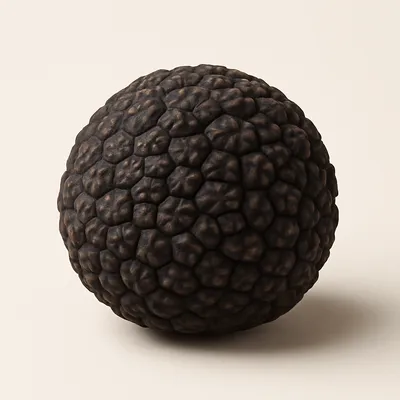

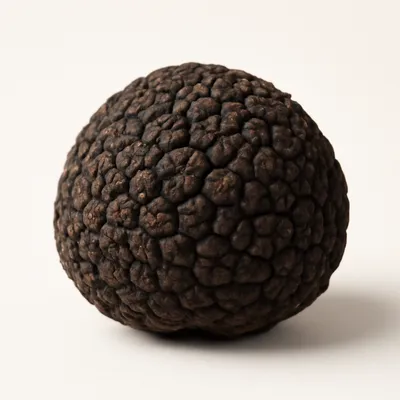
The sauce is named for Périgueux, capital of the Périgord in south-western France, the heart of French black-truffle country, and the name marks any truffle-laden preparation in the classical kitchen. It belongs squarely to the codified grande cuisine of the nineteenth and early twentieth centuries; Escoffier's Le Guide Culinaire gives sauce Périgueux as a demi-glace flavoured with truffle essence and Madeira and garnished with chopped truffle, distinguishing it from the closely related sauce Périgourdine, which uses the truffle in slices or a purée and is often enriched with foie gras. The use of Madeira — a fortified wine long prized in French cooking for sauces — and of the prized Tuber melanosporum places it among the most luxurious sauces of the repertoire.
Almost mahogany in the dish, it smells of truffle before it reaches the table — that warm, garlicky, woodland musk that defines luxury on a French menu. The taste is concentrated meat and wine, the Madeira lending a nutty, raisined depth, and through it run little nuggets of black truffle, soft and aromatic. It is rich and seamless, the gloss of a long reduction with no floury edge. The waste of a weak truffle is obvious here: without good fungus and its juices the sauce is merely a competent Madeira sauce.
The sauce is an exercise in concentration and aroma. Demi-glace — veal stock reduced by half with espagnole until it is glossy and full of dissolved gelatin — provides body and a meaty backbone without flour at this stage. Reducing it with Madeira drives off the wine's alcohol while concentrating its sugars and oxidised, nutty flavours, which is why the fortified wine is added in two parts: most early to cook down, a little at the end to keep its fresh aroma. The truffle is added last and barely heated: its prized aromatic compounds are volatile and fat- and alcohol-soluble, so brief warming in the rich sauce releases them while hard boiling would drive them off. The truffle's own soaking juices are stirred in for the deepest scent.
Variations
Sauce Périgourdine is the close relative, using the truffle in slices or as a purée and frequently enriched with foie gras, and it dresses tournedos Rossini's world of garnished steaks. A simpler sauce au Madère is the same demi-glace and Madeira reduction without the truffle. Cooks stretch costly truffle with mushroom duxelles or truffle peelings, and a knob of cold butter swirled in at the end (monter au beurre) gives the final shine.
On the Palate
Where Sauce Périgueux sits in the French flavor cloud
Ingredients
Serves 4How it's made
6 steps · 35 min active + 15 min waiting
- 15 min
Warm the demi-glace in a heavy pan until it loosens and shines.
- 215 min
Pour in most of the Madeira and reduce gently until the sauce is glossy and concentrated.
Watch outReduce most of the Madeira until glossy and concentrated — driving off the alcohol while concentrating its nutty sweetness is what builds the sauce.
- 36 min
Stir in the truffle juices or soaking liquor and simmer briefly to marry them.
- 44 min
Strain the sauce through a fine sieve into a clean pan if needed.
- 56 min
Add the chopped black truffle and the remaining splash of Madeira, and warm through without boiling.
Watch outAdd the truffle last and only warm it through — its prized aroma is volatile, so brief heat releases it; a real simmer boils the fragrance away.
- 64 min
Swirl in cold butter off the heat, season, and spoon over the meat or eggs at once.
Archive tool suggestions — not reviewed
These legacy suggestions have not been evidence-reviewed and are not presented as required tools.


