

Garbure is the canonical farm soup of Gascony and Béarn — Pyrenean foothill country where peasant households kept a pot on the hearth all winter, replenished daily. Documented as the everyday meal of agricultural workers as early as the 17th century — Henri IV (himself Gascon) reportedly demanded it at court. The chabrot ritual (wine into the last broth) is an old peasant gesture still observed in family meals. The two-course service evolved as a way to stretch a single pot to feed a family across two sittings.
17th-century Gascon and Béarnais hearth-pot soup — Henri IV reportedly demanded it at court. The chabrot (red wine into the last broth) is still observed at family tables. Tarbais bean is non-substitutable: thinner skin, holds shape across 2+ hours.
First course is bowl-coloured by the duck-and-pork fat — amber broth with melted cheese threads, the bread breaking down into a savoury porridge. Second course is the platter, served with mustard on the side: dense Tarbais beans (creamy, not chalky), dark duck-leg flesh that pulls apart with a fork, juicy sausage, soft cabbage that's tasted of pork for two hours. End with chabrot — pour red wine into the last centimetre of broth in your bowl, drink it directly. Garbure with watery broth or undercooked beans means the simmer wasn't long enough.
Garbure is layered cooking — each ingredient added at the right window so all reach doneness together. Beans first because they need the longest simmer; pork next because the muscle protein takes 90+ minutes to break down to spoon-tender; vegetables third because they only need 30 minutes; confit and sausage last to avoid overcooking. The Tarbais bean is non-substitutable: its skin is thinner than other haricots, it absorbs broth without bursting, and it stays creamy after 2+ hours of cooking. Cannellini or navy beans turn to mush in the same window.
Variations
Béarnais version (heaviest on duck confit and Tarbais); Bigourdan version (more cabbage, lighter pork); Soule (Basque-side) variant adds piment d'Espelette; Toulouse cooks sometimes substitute haricot lingot — texture goes mealy.
On the Palate
Where Garbure sits in the French flavor cloud
Ingredients
Serves 8






How it's made
5 steps · 1 hour active + 3 hours waiting
- 110 min
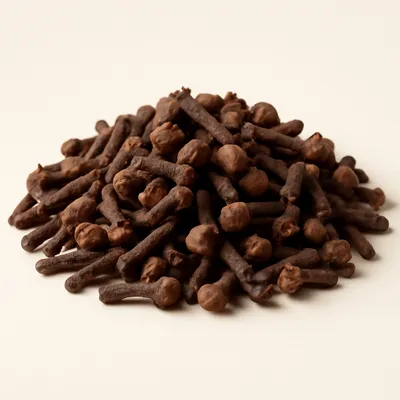
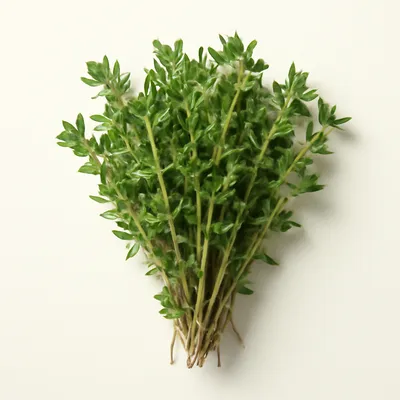
Soak 400g dried Tarbais white beans overnight in cold water. Drain. Place in a large heavy pot with 4L cold water, 1 onion stuck with 2 cloves, 1 carrot, bouquet garni. Bring to a slow simmer.
Watch outEnsure beans are fully submerged in water to prevent drying out.
- 290 min
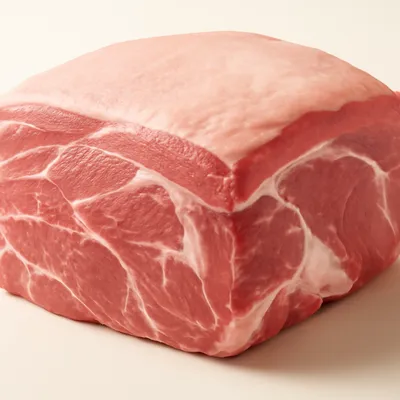
Add 600g pork shoulder in 4cm chunks, 1 ham hock, 2 garlic cloves. Simmer slowly 90 minutes — beans should be just tender, pork giving up its flavour to the broth.
Watch outSimmer, never boil — keep the surface at a lazy shiver so the beans swell whole; a hard boil bursts their skins to mush.
- 330 min
Add 600g savoy or pointed cabbage in wide ribbons, 2 leeks chopped, 2 turnips diced, 2 potatoes diced, 1 more carrot diced. Simmer 30 minutes — vegetables tender but not collapsing.
Watch outAdd the vegetables only after the pork has had its ninety minutes, and pull them at just-tender — thirty minutes, still holding their shape, not falling apart.
- 425 min
Add 4 confit duck legs (rinsed of excess fat) and 4 Toulouse-style fresh pork sausages. Simmer 25 minutes — sausage cooks through, duck heats through, fat melts into broth.
Watch outThe confit and sausage go in last for their twenty-five minutes only — long enough to heat through, short enough that they don't dry out or shed all their fat.
- 55 min
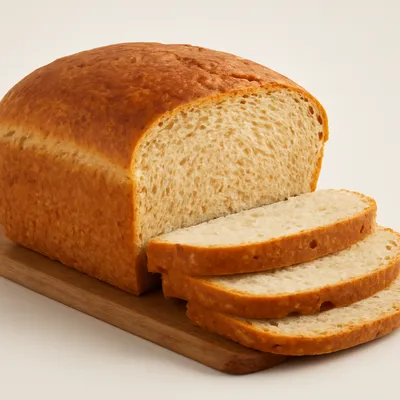
Serve in two courses. First: ladle broth into bowls over thick toasted country bread, scatter grated Comté or Tomme over the top. Second: large platter of duck legs, sausages, pork, beans, vegetables — diners self-serve. Optional: a small splash of red wine into the last spoonful of broth (chabrot — Gascon ritual).
Archive tool suggestions — not reviewed
These legacy suggestions have not been evidence-reviewed and are not presented as required tools.