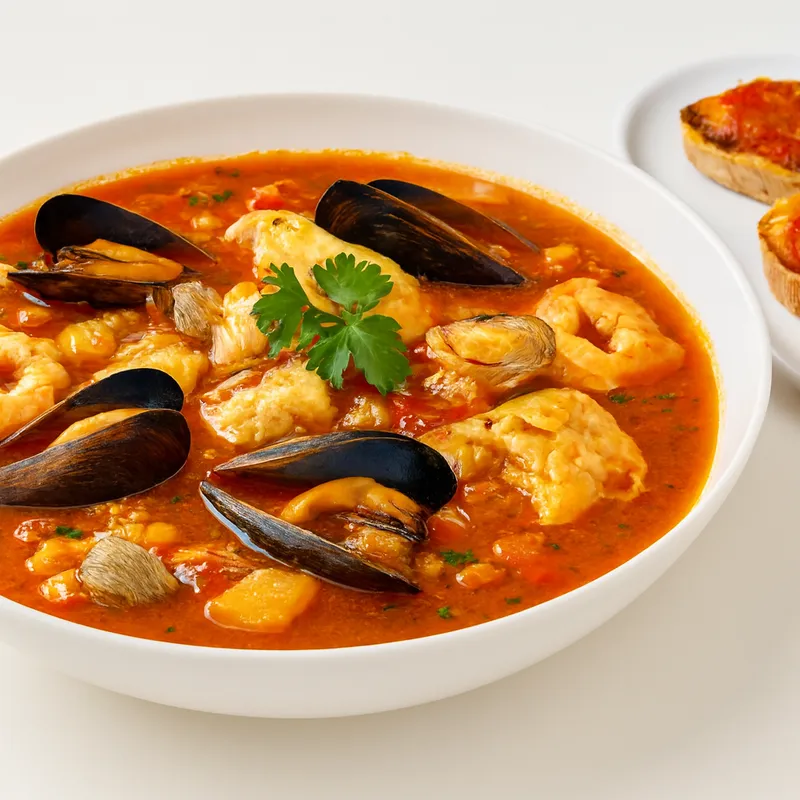
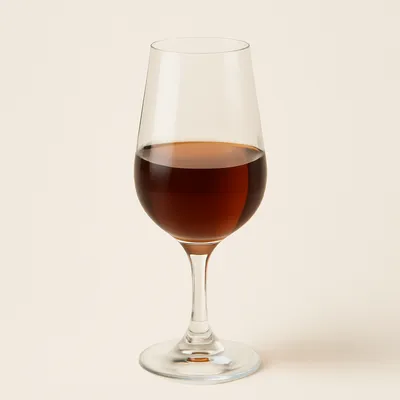
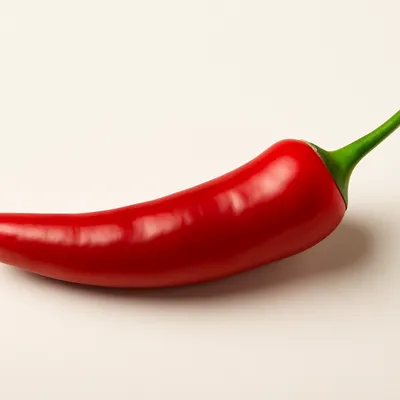
A rich lobster dish of French haute-cuisine technique born in New York: cooked lobster meat is bathed in a sauce of butter, cream, sherry (or Madeira) and egg yolks, thickened gently like a custard and seasoned with a touch of cayenne and the lobster's own coral. It is served over rice, toast or in pastry. Closely related to Lobster Thermidor and Homard à l'Américaine, it is set apart by its pale, sherried egg-yolk sauce with no tomato.
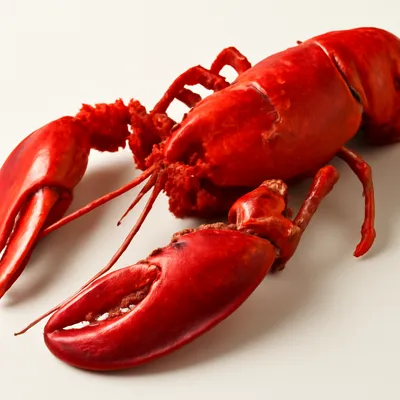



The dish was created at Delmonico's restaurant in New York. The widely told account holds that a sea captain and patron named Ben Wenberg showed the chef a lobster preparation around 1876; it was put on the menu as 'Lobster à la Wenberg,' then renamed 'Newberg/Newburg' after a falling-out between Wenberg and the restaurant's proprietor. The spelling and the quarrel are part of restaurant lore and not all details are firmly verified, but Delmonico's authorship and the late-1870s date are consistently documented. Though American in birth, the sauce is pure French technique — a cream-and-egg-yolk liaison fortified with fortified wine.
Chunks of lobster in a pale, pink-tinged sauce, satiny and just thick enough to coat, glossy with butter and warm with sherry. The lobster is sweet and tender; the sauce is rich and faintly sweet from the wine, with a low warmth of cayenne and a deeper savor from the coral. Served on toast or rice that soaks the sauce. A sauce that has scrambled into grains was taken over too high a heat.
The sauce is an emulsified custard, not a reduction. Egg yolks and cream are warmed gently with the butter and sherry over low heat (or a bain-marie), and the yolk proteins thicken the liaison just short of setting — the same principle as crème anglaise or hollandaise — for a glossy, pourable nappe. Held too hot, the yolks coagulate and the sauce 'breaks' into curds. The sherry or Madeira is added with care so its alcohol mellows without splitting the emulsion, and the lobster coral deepens both color and flavor.
Variations
Madeira or brandy sometimes stands in for the sherry. The same Newburg sauce is applied to shrimp, crab and scallops ('seafood Newburg'). It is classically served in a vol-au-vent or over toast points; American diners often spoon it over rice. The closely related Américaine adds tomato and cognac and a different, reduction-based sauce.
On the Palate
Where Homard à la Newburg sits in the French flavor cloud
Ingredients
Serves 4How it's made
7 steps · 40 min active + 5 min waiting
- 110 min
Remove the meat from cooked lobster and cut into bite-sized pieces; reserve any coral.
- 25 min
Warm the lobster gently in butter over low heat without browning.
- 33 min
Add the sherry (or Madeira) and let it warm through to mellow the alcohol.
- 43 min
Whisk the egg yolks with the cream in a bowl.
- 510 min
Pour the warm cream-yolk mix into the pan off direct high heat and stir constantly over very low heat until the sauce thickens to coat a spoon — do not boil.
Watch outStir the yolk-cream in over very low heat and never boil — the yolks thicken it to a glossy nappe just short of setting; too hot and it breaks into curds.
- 64 min
Season with salt, a pinch of cayenne and the mashed coral; adjust to a glossy, pourable consistency.
- 72 min
Serve at once over rice, toast points, or in warm pastry cases.
Archive tool suggestions — not reviewed
These legacy suggestions have not been evidence-reviewed and are not presented as required tools.