
One of the great cheeses of the Auvergne: a semi-soft, pressed, uncooked cow's-milk cheese from the volcanic Monts-Dore, ripened on rye straw until its grey-mottled, mushroomy rind develops and the pale interior turns supple and creamy. It tastes of hazelnut, mushroom and the high mountain pasture, with a soft, almost spreadable centre. At the table it is served simply at room temperature in wedges, with country bread or a few walnuts, and a glass of red.



The cheese has been made in the Pays des Monts-Dore of the Auvergne since at least the seventeenth century, when it was known simply as fromage de seigle, rye cheese, for being matured on rye straw. It owes its present name to Marshal Henri de La Ferté-Senneterre (1600–1681), who is said to have introduced it to the court of Louis XIV; by 1768 the traveller Legrand d'Aussy found it celebrated throughout Auvergne. It received its AOC in 1955 and a European PDO in 1996, its protected zone covering villages in the Puy-de-Dôme and a part of the Cantal. A green oval casein plate marks the farmhouse (fermier) cheese made from raw whole milk; a square plate marks the dairy (laitier) version.
The grey-and-tan natural rind smells of cellar, damp earth and mushroom; the paste beneath is ivory, semi-soft and yielding, springy near the rind and creamier toward the centre. The flavour is nutty and mild — hazelnut, mushroom, fresh cream and a clean grassy note from the mountain milk — never sharp, with a faint mineral tang from the rind. A ripe one is soft enough to bend and almost spread. Best eaten at room temperature so the fat softens and the aroma opens.
Saint-Nectaire is a pressed uncooked-curd cheese: the milk is renneted, the curd cut and pressed to expel whey without ever heating it, so the paste stays moist and supple rather than firm like a cooked-curd mountain cheese. Its character is built in the affinage. Ripening for at least four weeks on rye straw in a cool, humid cellar lets surface moulds and a mixed flora colonise the rind — the grey, ochre and white growth that gives the cheese its earthy, mushroomy aroma — while enzymes work inward, breaking down protein and fat to soften the texture and deepen the flavour from the rind toward the heart. The volcanic mountain pasture the cows graze is held to give the milk, and so the cheese, its particular character.
Variations
The fundamental division is fermier versus laitier: farmhouse Saint-Nectaire, made on the farm from a single herd's raw whole milk and matured longer, is prized for greater depth, while the dairy version is milder and more uniform. Age changes it — a young cheese is springy and mild, a well-aged one softer, stronger and more mushroomy. The Auvergne's other great pressed cheeses, Cantal and Salers, are firmer cooked-style cheeses by comparison; Saint-Nectaire is the supple, fast-ripening one. Beyond the table, it melts well into the region's gratins and tartines.
On the Palate
Where Saint-Nectaire sits in the French flavor cloud
Ingredients
Serves 6How it's made
6 steps · 15 min
- 160 min
Take the Saint-Nectaire out of the fridge an hour ahead so it warms to room temperature.
Watch outTake it out an hour ahead to come to room temperature — cold from the fridge the paste is stiff and the aroma stays shut in.
- 22 min
Choose a ripe wedge: the paste should be supple and yield to gentle pressure.
- 31 min
Leave the rind on; it is edible and carries much of the aroma.
- 43 min
Cut into wedges or thick slices that each keep some rind.
- 53 min
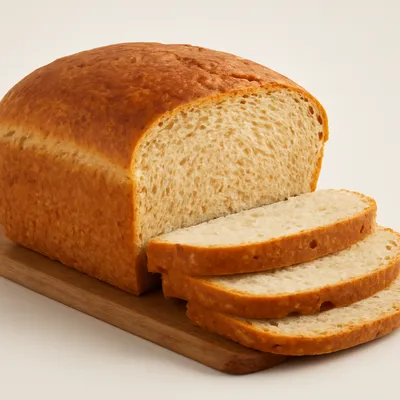
Arrange on a board with crusty country bread and a few walnuts.
- 62 min
Serve with a light, fruity red wine; eat at room temperature.
Archive tool suggestions — not reviewed
These legacy suggestions have not been evidence-reviewed and are not presented as required tools.



