A PDO sheep's-milk cheese from the Setubal peninsula, curdled with thistle flower and aged about 30 days to a soft, spoonable paste, intensely sheepy with a faint floral bitterness.


A PDO sheep's-milk cheese from the Setubal peninsula, south of Lisbon, curdled with thistle flower extract. Aged about 30 days to a soft, spoonable, intensely sheep-y paste with a floral bitterness. One of Portugal's finest cheeses, eaten with bread and red wine.
A spoonably soft, oozy sheep's-milk cheese with a thin rind, the paste rich, buttery and intensely sheep-y with a faint floral bitterness from the thistle rennet. Scooped onto bread with a glass of red, deeply savoury and complex.
The cheese's character comes from the thistle rennet and the sheep's milk. Raw ewe's milk is warmed and curdled with an extract of cardoon thistle flowers (Cynara cardunculus), a plant-based rennet traditional to Portuguese sheep cheese. The thistle enzymes break down the milk proteins differently from animal rennet, giving a softer curd and a characteristic slightly bitter, floral aftertaste. The curd is lightly pressed into small rounds, salted, and aged about 30 days, during which the paste softens to a spoonable, almost liquid centre under a thin natural rind. The cheese is eaten at room temperature, when the paste is fully oozy, scooped with bread. Over-aged cheese becomes too runny and bitter.
Variations
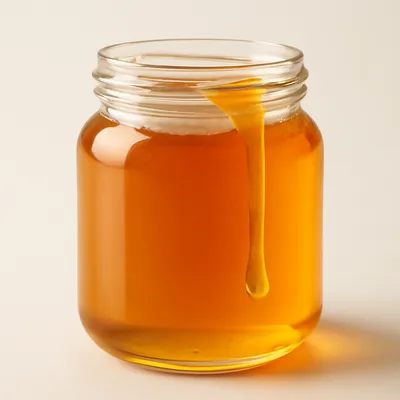
Aged longer it becomes firmer and stronger. Eaten with honey drizzled on top or with quince paste (marmelada).
On the Palate
Where Queijo de Azeitão sits in the Portuguese flavor cloud
Ingredients
Serves 6How it's made
5 steps · 10 min active + 1 hour waiting
- 13 min
Queijo de Azeitão is bought, not made at home; remove it from the fridge 1 hour before serving.
Watch outTake it out a full hour early — cold from the fridge the paste stays waxy and stiff; at room temperature it slumps to a spoonable, near-liquid centre.
- 24 min
Cut the top rind off to reveal the soft paste, or simply slice into wedges.
Watch outCut just the top rind off — the centre should be soft enough to scoop; if it's firm all the way through, it hasn't come to temperature yet.
- 34 min
Serve with crusty bread, a drizzle of honey, and quince paste if available.
- 43 min
Pair with a glass of red wine from the Setúbal peninsula.
- 53 min
Scoop the soft paste with bread; eat at room temperature.


