A traditional Welsh crumbly, slightly tart hard cheese originating around the town of Caerphilly, historically the staple lunch cheese of the South Wales coal miners. Pale, moist and mild, eaten young with bread and ale.
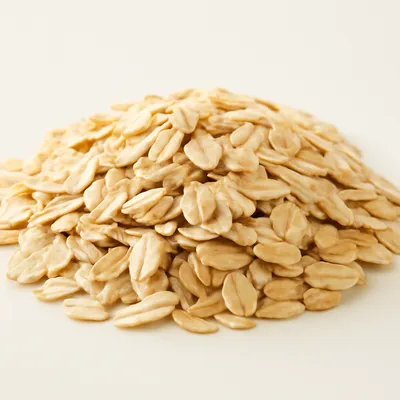
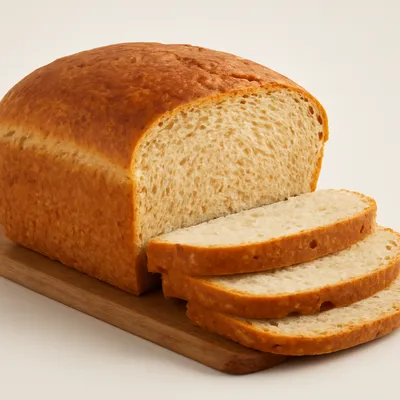


Caerphilly is the most famous Welsh cheese, a crumbly, slightly tart, pale hard cheese that originated in the town of Caerphilly in Glamorgan around the early 19th century. The cheese was created for, and sustained by, the South Wales coalfield, where it became the staple lunch of the miners: a whole Caerphilly, with its firm yet crumbly texture and moist rind, travelled well down the pit, did not dry out in the heat, and its salty tang refreshed the men through a shift. The cheese is made from cow's milk, lightly pressed, and eaten young, usually within a few weeks, when it is moist, mild and crumbly, distinct from the drier, sharper aged versions. Production moved largely to England, notably Somerset, during the Second World War when Welsh milk was diverted, and authentic Welsh Caerphilly only revived from the 1980s through makers like Gorwydd. The cheese is closely related to the English Wensleydale and Cheshire in its crumbly texture, the result of a high-acid making method, and it remains the iconic Welsh cheese, eaten with bread, oatcakes and ale.
A pale, moist, crumbly cheese with a mild, slightly tangy, lactic flavour and a faint saltiness, the texture breaking into soft, moist crumbs rather than slicing cleanly. Eaten young with bread and oatcakes and a glass of ale.
Caerphilly's characteristic crumbly texture comes from a high-acid cheese-making method. Cow's milk is set with rennet, cut, and the curds are stirred and cooked gently while the whey is drained, but unlike a Cheddar the curds are not 'cheddared' or matted, and unlike a hard cheese they are only lightly pressed. Crucially, the cheese is not aged long, eaten typically at two to six weeks, when the moisture is still high and the crumbly, open texture remains. The high acidity developed during making, which gives the cheese its tart, fresh flavour, also causes the curd to fracture rather than hold together, producing the moist, crumbly texture prized in young Caerphilly. A natural rind forms during the short maturation. The crumbly texture is the same family as Wensleydale and Cheshire, all high-acid English-style cheeses, and it is what makes Caerphilly the miner's lunch cheese, since the crumbs were easily eaten with bread and did not sweat in the heat of the pit.
Variations
An aged Caerphilly, matured over three months, is drier, sharper and firmer, a different cheese. Some modern versions are smoked. Gorwydd of Wales is the leading traditional maker.
On the Palate
Where Caerphilly Cheese sits in the British flavor cloud
Ingredients
Serves 8How it's made
5 steps · 10 min active + 1 hour waiting
- 14 min
Caerphilly is bought, not made at home; to serve, remove the cheese from the fridge 1 hour before eating to come to room temperature.
Watch outTake the cheese out of the fridge a full hour before serving — it needs to come to room temperature for the crumbly texture and fresh, tart flavor to open up.
- 24 min
Cut the cheese into wedges; expect it to crumble rather than slice cleanly, this is correct.
Watch outExpect it to crumble apart rather than slice clean when you cut it — that fracture is correct; the high acidity makes the young curd break instead of holding a smooth edge.
- 34 min
Lay on a board with good bread, oatcakes, a few pickled onions and a wedge of butter.
- 44 min
Pour glasses of pale ale or cider; the tart, crumbly cheese pairs naturally with a dry, hoppy Welsh ale.
- 54 min
Eat simply, the cheese is the dish; nothing more is needed.


