
Stilton is the most famous of English blue cheeses and one of the world's three great blues alongside Roquefort and Gorgonzola. Its name is protected by a PDO that restricts its manufacture to the three counties of Leicestershire, Derbyshire and Nottinghamshire, made from locally produced pasteurised cow's milk, ironically the village of Stilton in Cambridgeshire, after which it is named, lies outside the protected zone and cannot legally make it. The cheese was first marketed in the early 18th century at the Bell Inn in Stilton, then a major coaching stop on the Great North Road, by Cooper Thornhill, who bought it from a Leicestershire farmer named Frances Pawlett. Pawlett standardised the recipe and the presentation. The blue veining comes from Penicillium roqueforti introduced during making, and the long maturation of around 9 weeks develops the characteristic spicy, mellow flavour. Only six creameries are licensed to make it today. Blue Stilton is the classic, the milder White Stilton is the unblueved young cheese.
A crumbly, creamy ivory paste threaded with sharp blue-green veins, the blue parts fiery and spicy, the paste rich and buttery, with a long peppery finish and a distinctive earthy aroma. Eaten with a spoon from the rind, or with port and walnuts.
Stilton's character comes from controlled blueing during a long maturation. The milk is set with rennet, cut, drained and lightly pressed into tall cylindrical cheeses, which are then rubbed with salt to draw moisture and form a rind. Crucially, the cheeses are pierced with stainless-steel needles during maturation, this lets oxygen into the interior and allows the Penicillium roqueforti mould, present from the making, to grow along the needle tracks into the blue-green veins. Without piercing, the dense paste is too oxygen-starved and the cheese stays white. Maturation at around 9 weeks at controlled humidity and temperature develops the creamy texture and the spicy, mellow flavour of the blue. The tall cylindrical shape and natural rind arePDO requirements. The cheese is best at room temperature, when the paste softens and the aroma blooms.
Variations
White Stilton is the young, unblueved cheese, milder and often blended with fruit or ginger. Blue Stilton is blended into soups, sauces and the savoury Stilton-and-broccoli soup. Aged Stilton is firmer and more pungent.
On the Palate
Where Stilton sits in the British flavor cloud
Ingredients
Serves 10How it's made
4 steps · 10 min active + 1 hour waiting
- 15 min
Stilton is bought, not made at home; to serve, remove the whole cheese or a wedge from the fridge 1 hour before eating to bring to room temperature.
Watch outGive it a full hour out of the fridge — cold Stilton tastes flat and chalky; the aromas and creamy texture only wake up at room temperature.
- 24 min
To serve from a whole round, cut a slice from the top, then scoop the soft interior with a spoon.
Watch outServe from the top down with a spoon while the paste is soft — digging in from the side crumbles the whole wedge apart.
- 34 min
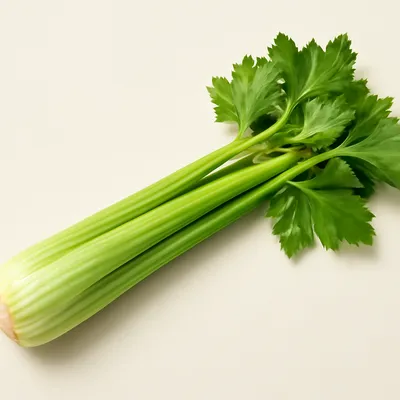
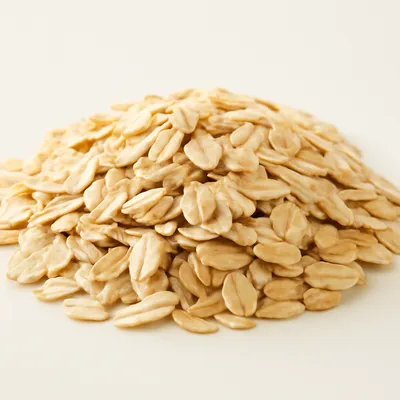
Crumble or slice onto a cheeseboard with walnut halves, celery sticks, oatcakes and a glass of port.
- 44 min
Alternatively, mash crumbled Stilton with a little butter and port to make a spread for toast or rarebit.