Beira-Lisboa
Lisbon's canon — bacalhau in 365 ways, June sardines on charcoal, pastel de nata still warm from the oven.
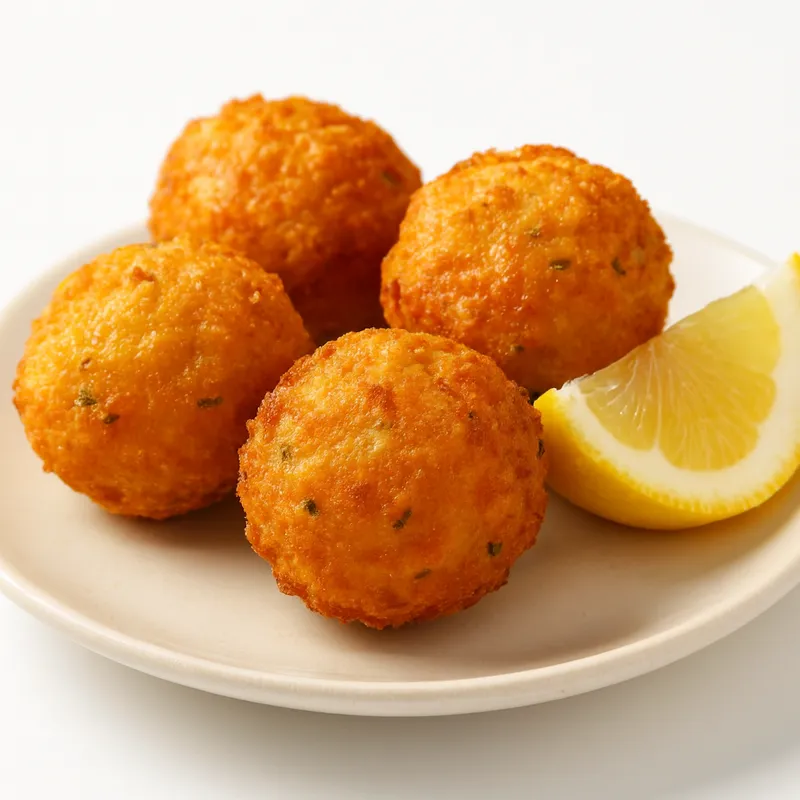
Pastéis de Bacalhau
Golden fried codfish fritters, a popular Portuguese appetizer
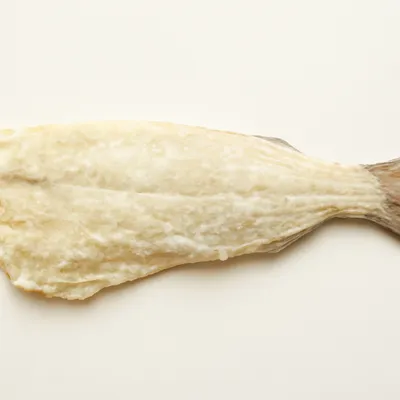
View page →Lisbon at midday in June smells of sardines on coals — the entire Alfama district lights up grills, and the smoke drifts up the tile-walled alleys. At any pastelaria, a paper sleeve holds two warm pastel de nata fresh from the oven; you eat them standing at the counter. At dinner there's bacalhau (salt cod) somewhere on the menu — Brás with eggs and potatoes, Gomes de Sá baked with onions, à lagareiro on a bed of roasted potatoes. The country claims 365 ways to cook it. The central kitchen claims most of them.
Within Portugal's regional kitchens, the Beira-Lisboa axis is the cosmopolitan center — the Tagus river capital plus Coimbra's university towns and the Beira mountain villages. This is where bacalhau became the national obsession, where the pastel de nata took its modern form (in the Belém monastery in the 1830s), and where the most-exported Portuguese flavors all live. It's also the geographic middle: Lisbon eats both north and south, and the rest of Portugal eats what Lisbon decides is good.
Start Here
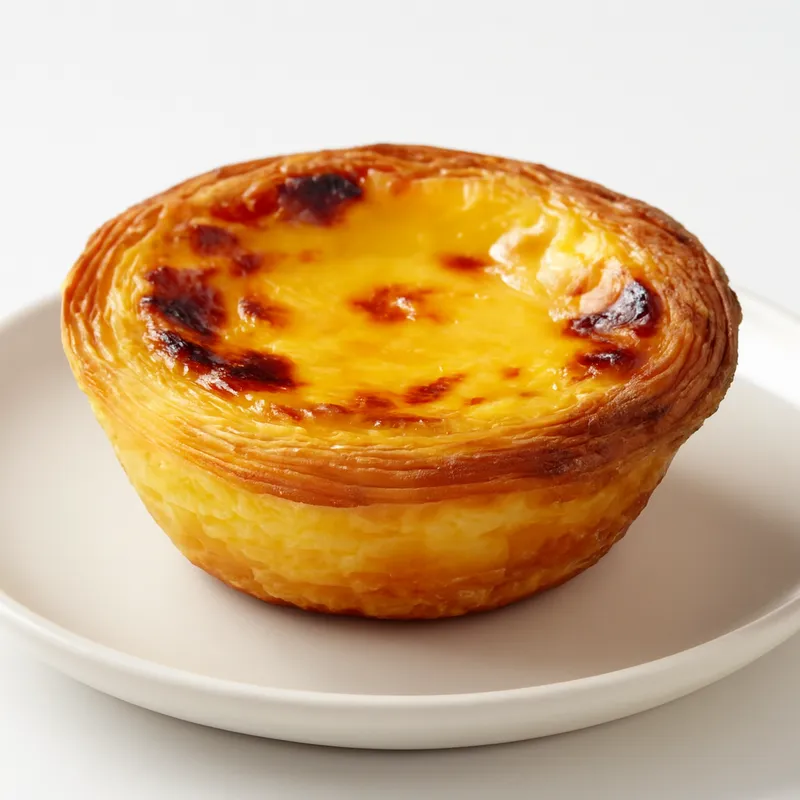
Crisp puff-pastry cups holding caramelized egg-custard, dusted with cinnamon — invented by Belém monks in the 1830s.
Why start here · Warm pastel de nata at the source ruins every imitation forever — this is the Lisbon morning.
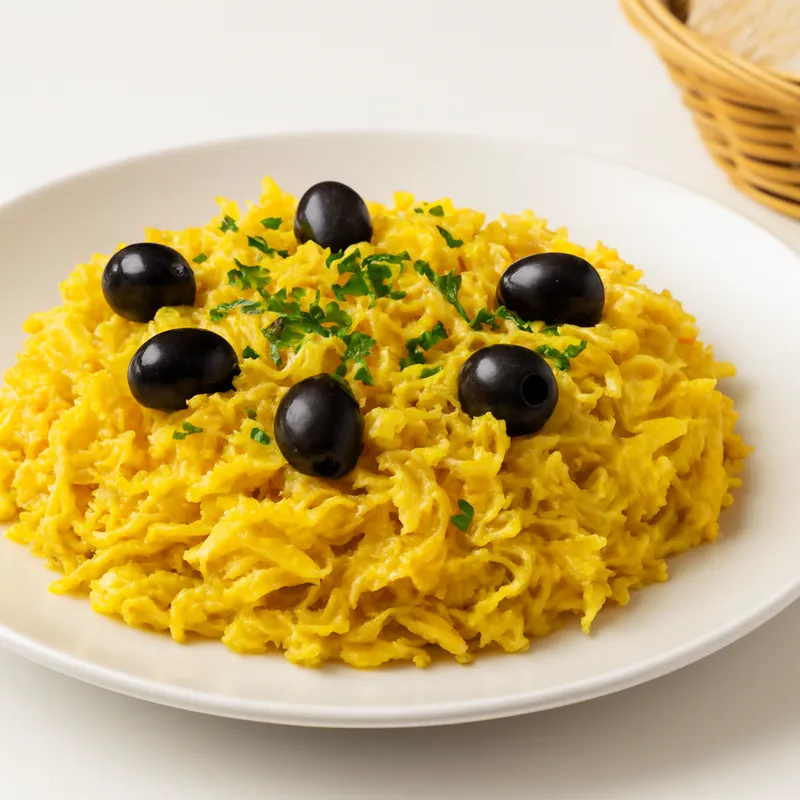
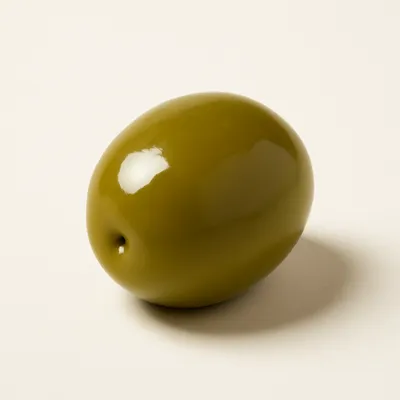
Shredded salt cod scrambled with thin-cut potatoes and eggs, black olives on top — the most loved of the 365 cod recipes.
Why start here · It's a thrift dish elevated to canon — frugal Portuguese cooking at its kindest.
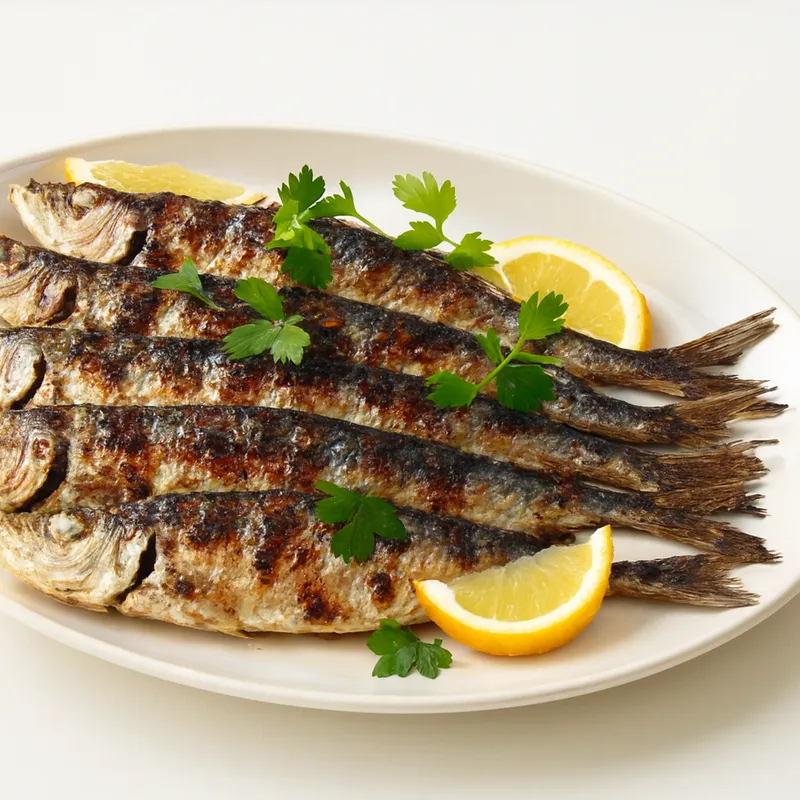
Whole fresh sardines salted and grilled over hot coals — Lisbon's June obsession, eaten with grilled bread and bell pepper.
Why start here · You can't understand Lisbon without smelling sardine smoke in the alleys of Alfama in June.
The Pantry








See all 80 ingredients›



















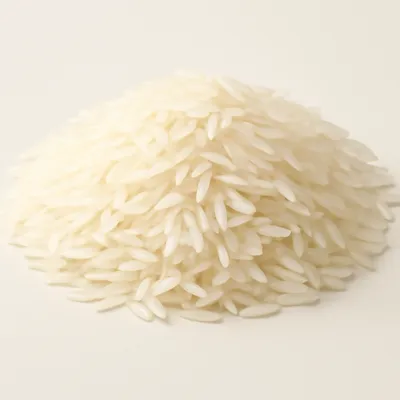


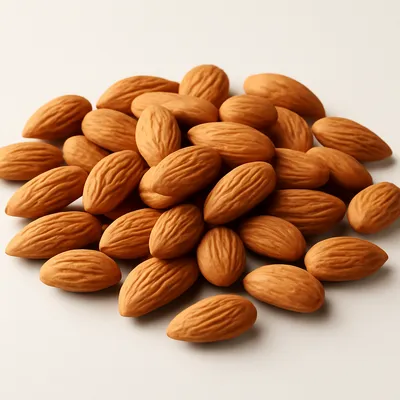
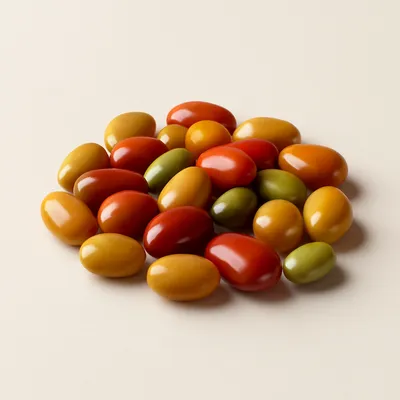





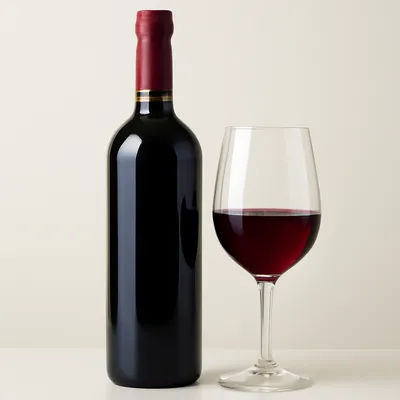
Sauces & Condiments







How They Cook
Techniques that define this cuisine
Kindred Kitchens
Cuisines built on the same signature ingredients
Other regions
Siblings within Portuguese — each its own tradition.