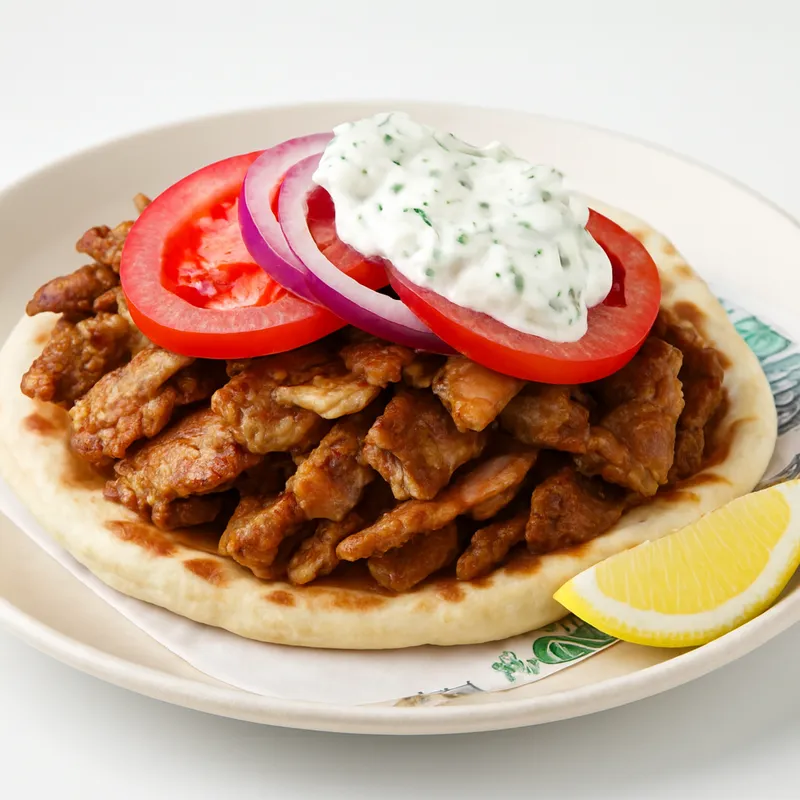
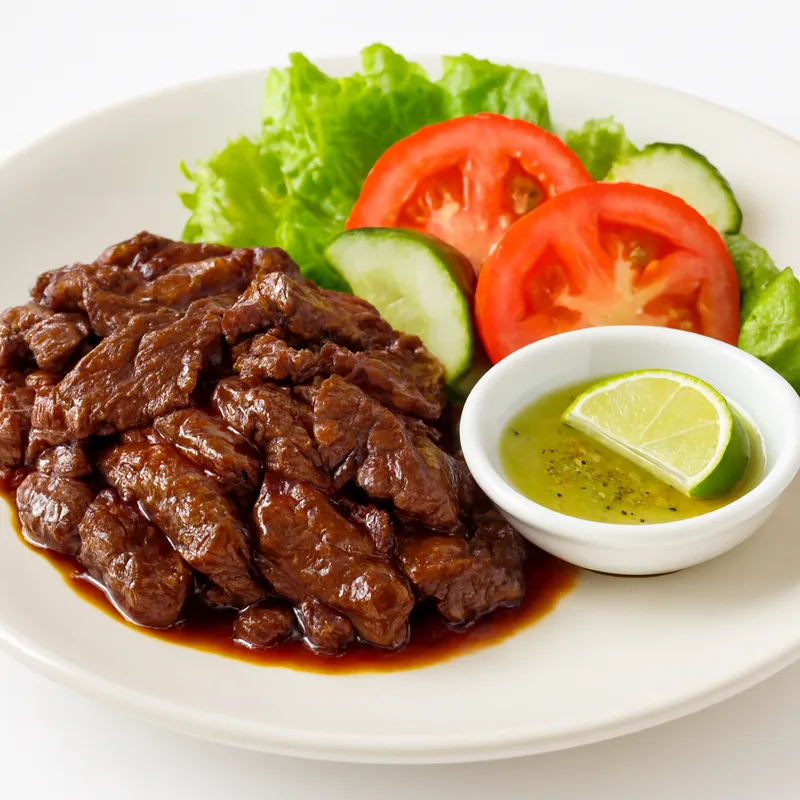
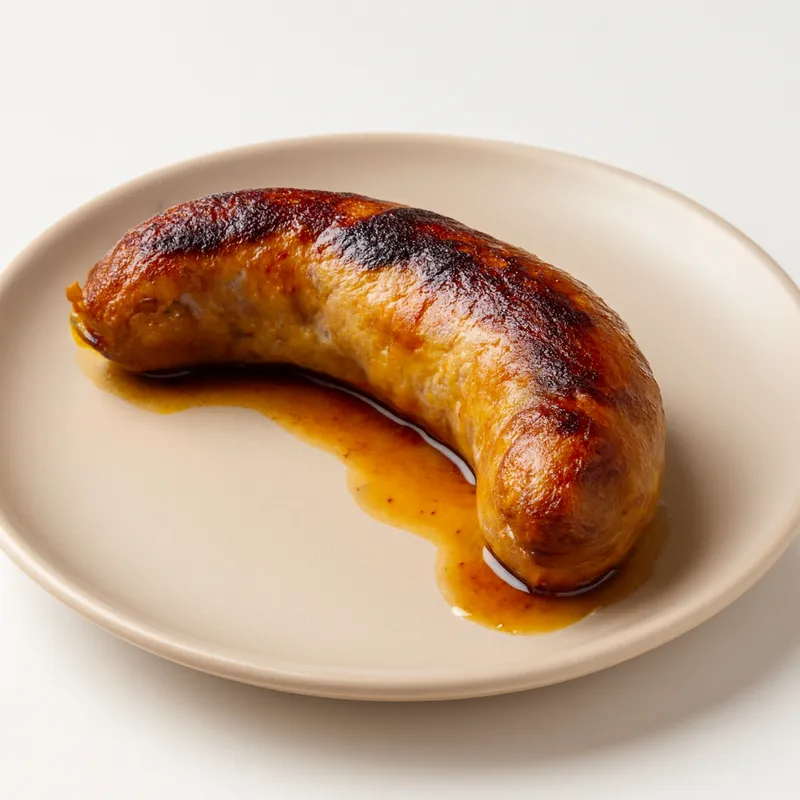
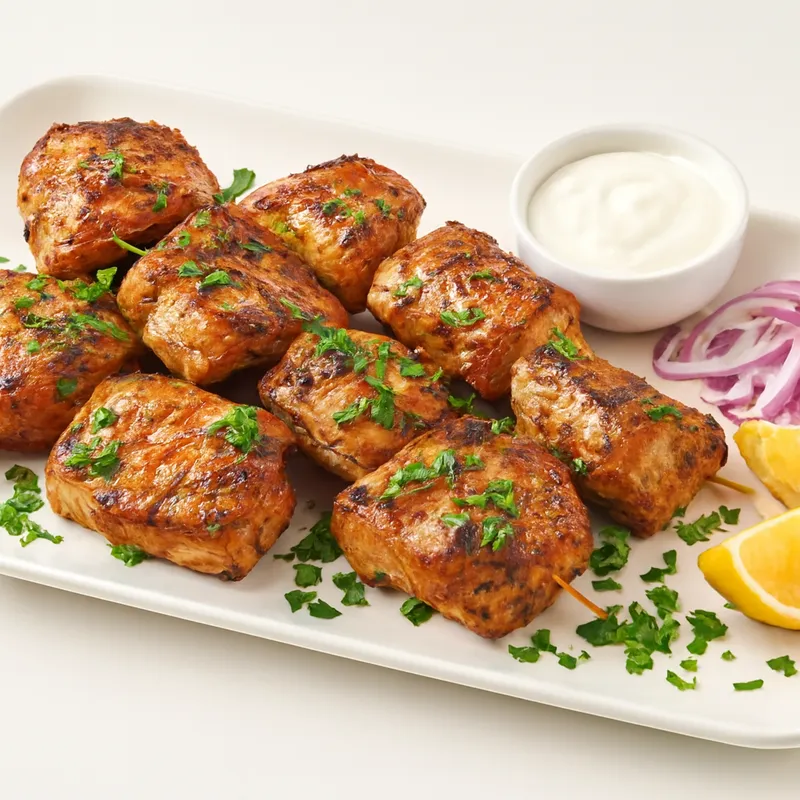
A classic Portuguese pork sandwich, often found as street food.



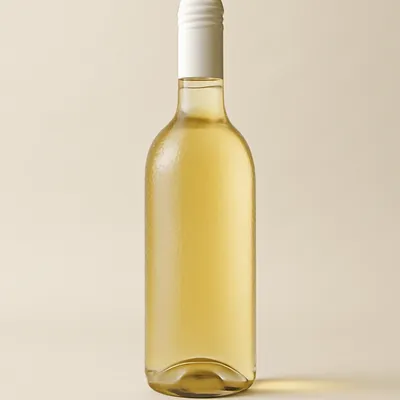
A counter snack of central Portugal, claimed most strongly by the town of Vendas Novas in the Alentejo, where pork loin and white wine were both abundant. The bifana spread through 20th-century cervejarias (beer houses) and cafes; today it is the standard cheap-and-fast Portuguese sandwich, eaten at any hour. Spelling and pronunciation hold steady; the marinade recipe varies house to house.
Vendas Novas in the Alentejo claims it loudest—pork loin marinated in white wine, garlic, bay, paprika for 4 to 24 hours, the liquid reduced and poured back over the meat to soak the papo-seco. A dry bifana is a failed bifana.
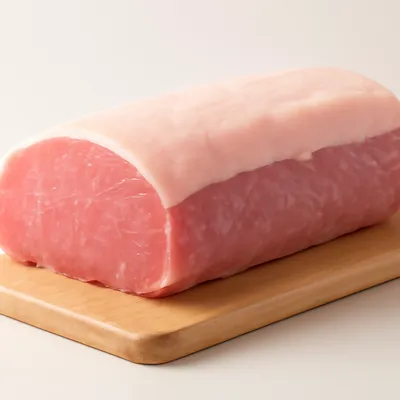
Thin slices of pork loin marinated in white wine, garlic, and paprika, then quickly seared and stacked into a plain crusty papo-seco roll. The bread is soft inside, dense crust outside; the pork is salty, vinegary, almost soupy from the marinade. A smear of mustard or piri-piri at the counter, eaten standing with a small beer or espresso. No lettuce, no tomato, no fuss.
The marinade is the dish, not a seasoning step — the pork sits in wine, garlic, bay, and paprika anywhere from 4 to 24 hours, and that liquid is reduced and poured back over the cooked meat to soak the bottom of the bread. A dry bifana is a failed bifana. The slices must be pounded thin (4–5 mm) so they cook in under a minute and stay tender; thicker cuts go gray and chewy.
Variations
Vendas Novas style is sharper and wetter, eaten with mustard; Porto's Conga (on Rua do Bonjardim since 1976) is the famous saucier, piri-piri-spiced northern version; Porto cooks slip in a slice of presunto under the loin.
On the Palate
Where Bifana sits in the Portuguese flavor cloud
Treat the marinade as the dish, not a seasoning step — the pork bathes in wine, garlic, bay, and paprika for hours, and that liquid gets reduced and poured back so it soaks the bottom of the bread; a dry bifana is a failed one.
Ingredients

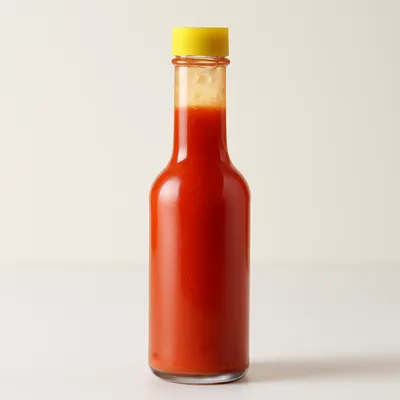


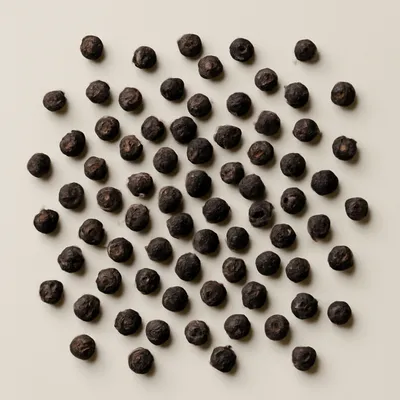
How it's made
4 steps · 25 min active + 30 min waiting
- 15 min
Pound the pork thinly or slice it into thin pieces. In a bowl, combine wine, minced garlic, and paprika. Marinate the pork in this mixture for at least 30 minutes to infuse flavors.
Watch outThe pork should be pounded thin and floppy and sit fully covered in the marinade before it rests.
- 210 min
Heat a skillet over medium-high heat. Add the marinated pork slices and cook until browned and cooked through, about 3 minutes per side. Remove from the skillet and set aside.
Watch outSear on high and fast — a browned edge in about a minute a side; if it's stewing gray in its own liquid, the pan's too cool.
- 35 min
Slice the bread rolls open and toast them lightly in the same skillet to soak up the flavorful juices left by the pork.
Watch outToast the cut rolls in the same pan until they drink up the pork juices and the inside goes golden.
- 45 min
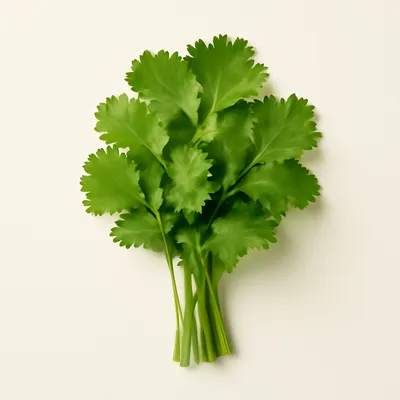
Assemble the bifana by placing the cooked pork inside the toasted rolls. Optionally, drizzle with mustard and sprinkle with fresh cilantro before serving hot.
Archive tool suggestions — not reviewed
These legacy suggestions have not been evidence-reviewed and are not presented as required tools.
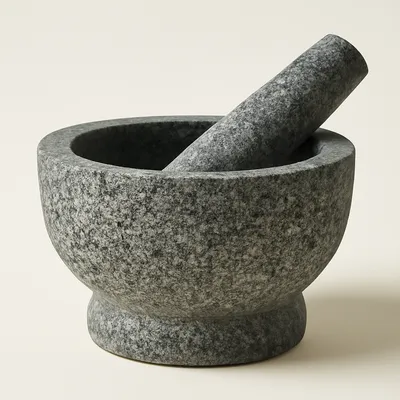
The simplest tool in any kitchen: a heavy bowl and a club to bash things in it. Different cuisines use different stones — Thai cooks pound green papaya in a tall granite mortar (krok hin); pesto Genovese requires the soft-pored Carrara marble; Indian masalas grind down on rough basalt. The bash-don't-cut motion releases volatile oils that a blade keeps sealed in the cell wall.
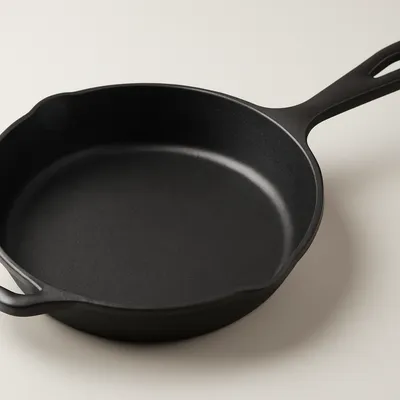
A heavy, single-piece cast iron pan, 25-30 cm across, weighing 1.5-2.5 kg. Once preheated, the thick mass holds 230°C+ even when a cold steak hits the surface — that's the secret to a deep crust. A well-seasoned skillet (multiple thin layers of polymerized oil baked into the iron) is essentially nonstick, gets better with use, and lasts a century. Lodge skillets from Tennessee have been in continuous production since 1896.