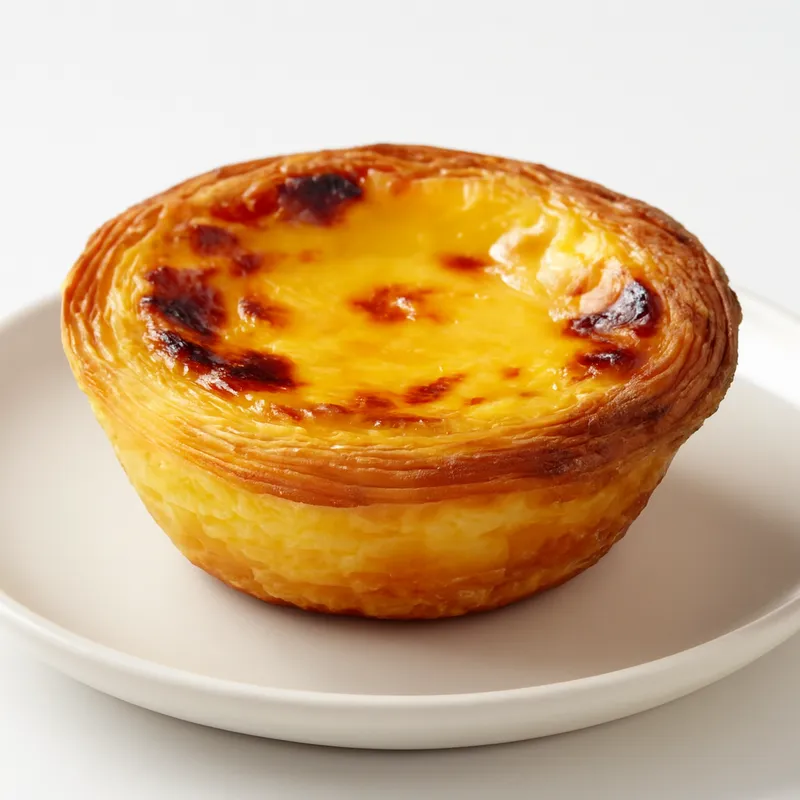

The Piriquita bakery in Sintra was founded in 1862 (first famous for its queijadas) and still operates today, but the travesseiro itself (literally 'pillow') was created much later — in the 1940s during WWII, when Constança Luísa, a descendant of the founder, revived the recipe from an old cookbook. The pastry is laminated by hand into ultra-thin layers, then filled with doce de ovos (egg-yolk-and-almond cream), folded, and baked until the puff-pastry crisps into shattering layers. Each is sealed by hand. The bakery still uses the same 19th-century recipe — they sell out every day before lunch.
Almond-cream-filled puff pastry pillows from Sintra — flaky outside, sticky-sweet inside. The almond paste is made with whole eggs, not yolks alone, so the filling stays creamy rather than dense.
Sintra travesseiros use puff pastry with 36 butter layers — twice the count of standard pastry. The almond filling uses whole eggs (egg-white protein adds structure) so the pillow holds its shape during baking.
Variations
Sintra travesseiros use almond cream; Belém version uses pastry cream; modern Portuguese version uses pistachio — three pillow pastries.
On the Palate
Where Travesseiros de Sintra sits in the Portuguese flavor cloud
Ingredients

How it's made
6 steps · 1 hour 30 min
- 115 min
Filling: bring 200g sugar and 80ml water to a thread-stage syrup (110°C). Cool slightly. Whisk in 8 egg yolks; cook over very low heat 5 minutes, stirring, until thick.
Watch outCook the yolk-syrup custard over the gentlest heat, stirring nonstop until it ribbons off the spoon — let it get too hot and the yolks scramble.
- 25 min
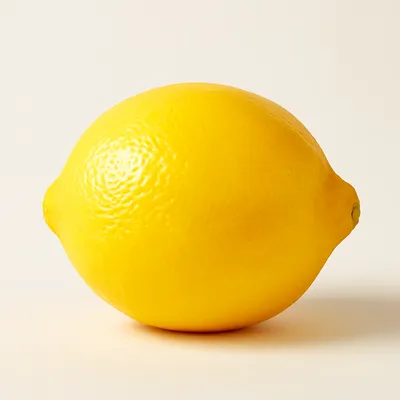
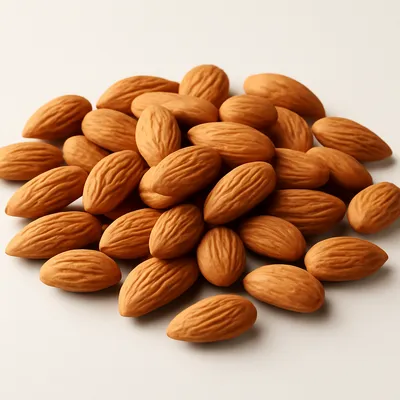
Off heat, fold in 100g finely ground blanched almonds and 1 tsp lemon zest. Cool.
- 34 min
Roll 400g puff pastry into a 30×40cm rectangle, 3mm thick. Cut into 8×10cm rectangles.
- 45 min
Place a generous tablespoon of filling on each rectangle. Fold the long edges in and roll into a sealed cushion.
Watch outFold and roll each pillow so the seam is fully sealed — a gap lets the almond filling ooze out and burn in the oven.
- 52 min
Brush with beaten egg yolk. Place seam-side down on a parchment-lined baking sheet.
- 625 min
Bake at 220°C for 18-22 minutes until deeply golden and puffed. Dust with powdered sugar warm.
Watch outPull them when the pastry is deep golden and dramatically puffed — pale means the layers haven't opened yet.
Archive tool suggestions — not reviewed
These legacy suggestions have not been evidence-reviewed and are not presented as required tools.

Flat rectangular metal pan (sheet pan, half-sheet, quarter-sheet), 33×23 cm to 45×33 cm, with a low rim. The flat surface gives even heat for cookies, biscuits, roasted vegetables, sheet-pan dinners. Heavy aluminum sheets conduct heat fastest; non-stick coatings make cleanup easier but can warp over 200°C; rimmed half-sheet is the modern American restaurant standard.

Hand-held wire loop tool for beating eggs, whipping cream, emulsifying dressings, and incorporating air into batters. Balloon whisks (large round head) for whipping cream and meringues; French whisks (narrow tear-drop) for sauces in pots; flat whisks (gravy) for pan sauces. Stainless steel is universal; silicone-coated for non-stick pans.