


An Algarve coastal staple codified in the 20th century along the southern Portuguese fishing ports, drawing on rice cultivation introduced from the Moorish period (8th–13th c.) and the Atlantic shellfish hauled in daily. Unlike Spanish paella, the Portuguese kept the broth loose because the dish doubled as soup-and-rice in one pot — fishermen's economy, not banquet plating.
Algarve fishermen's pot-rice codified in the 20th century; rice cultivation came in via the Moorish period (8th–13th c.). It must arrive caldoso—loose, soupy—not paella-dry. The refogado of onion, garlic, tomato is doing the load-bearing work.
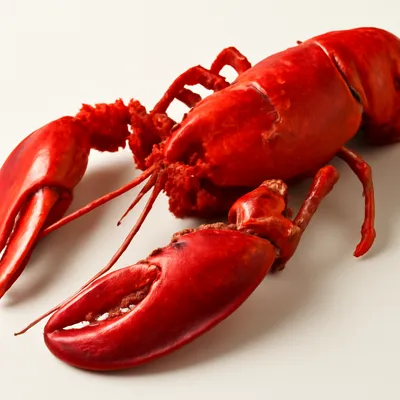
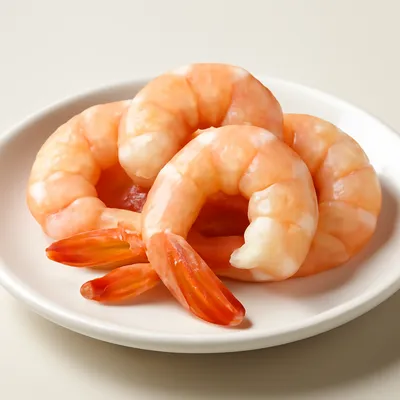
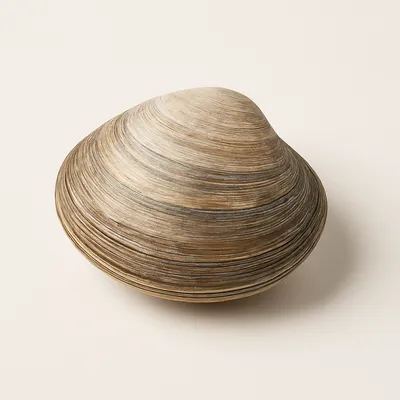
A wide earthenware pot arrives still bubbling: medium-grain rice loose in an orange tomato-and-shellfish broth, clams and mussels half-open on top, prawns with heads still on, sometimes a split lobster claw. Eaten with a spoon, not a fork. The good version is wet — caldoso, not dry like paella; if the rice has tightened up, it sat too long off the heat.
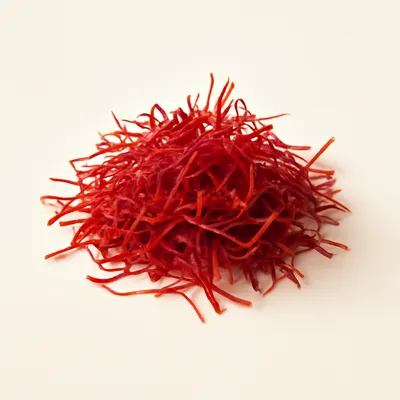
The base is refogado — onion, garlic, tomato, bay, sweated in olive oil until jammy — built before any rice or shellfish enters. That paste carries the dish; the saffron most foreign menus advertise is optional and often absent in Portugal. Adding the shellfish too early overcooks it; clams and prawns go in for the last few minutes only.
Variations
Olhão port version skews tomato-heavy; Cervejaria Ramiro in Lisbon serves it as a separate course after the shellfish; Spanish arroz caldoso is the closest cousin and the source of constant cross-border argument.
On the Palate
Where Arroz de Marisco sits in the Portuguese flavor cloud
Ingredients




How it's made
5 steps · 37 min
- 15 min
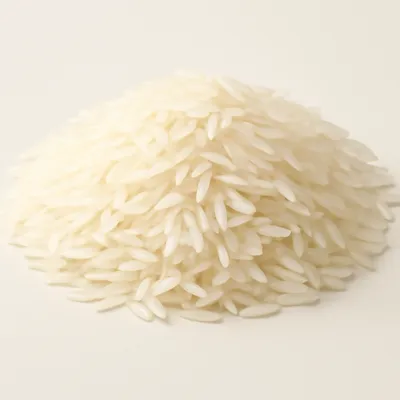
Rinse the rice under cold running water until the water runs clear, removing excess starch. Set aside to drain completely.
- 25 min
Heat a large pot over medium heat and add a drizzle of olive oil. Sauté finely chopped onion and minced garlic until the onion is translucent and aromatic, about 5 minutes.
Watch outEnsure the heat is not too high to prevent burning the garlic.
- 310 min
Add chopped tomatoes and a pinch of saffron to the pot, stirring until the tomatoes break down and the mixture becomes a fragrant, thickened sauce.
Watch outThe base is ready when the tomato has collapsed into a thick, fragrant sauce and a slick of red oil rises to the edges.
- 45 min
Pour in the rice and stir to coat each grain with the tomato mixture. Add just enough water to cover the rice by about an inch. Bring to a gentle simmer.
Watch outEnsure the pot is not overfilled with water; too much liquid will result in mushy rice.
- 512 min
Add the seafood — shrimp, clams, and mussels — nestling them into the rice. Cover the pot and let steam until the seafood is cooked through and the rice is tender, about 10-12 minutes.
Watch outWatch the shells — the instant the clams and mussels gape open, the seafood is done; a minute more and it toughens.
Archive tool suggestions — not reviewed
These legacy suggestions have not been evidence-reviewed and are not presented as required tools.