



An Algarve dish, named for the cooking vessel — the cataplana, a hinged copper pot used in southern Portugal since at least the Moorish period (the design echoes North African tagine logic: a sealed dome that recirculates steam). The seafood version codified in 20th-c. coastal towns like Portimão; earlier cataplanas more often held pork and clams.
Named for the hinged copper pot that gives the dish its logic—Algarve has used it since the Moorish period and the design echoes North African tagine pressure-steam thinking. No water added; all liquid comes from the shellfish, wine, and tomato. Open the lid mid-cook and the pressure bleeds out.
A hammered-copper clamshell pot opens at the table, releasing a cloud of garlic, white wine, and cilantro steam. Inside: clams and mussels still gaping, head-on prawns, sliced linguiça lending its red oil to the broth, tomato and onion broken down to a sauce. Bread is the utensil. The broth is the prize; eat the shellfish, then mop everything else with crust.
The hinged seal is doing real work — it traps steam and pressurizes slightly, so clams open and prawns cook in 5–7 minutes with no added water. All liquid in the broth comes from the shellfish themselves, the wine, and the tomato. Open the lid mid-cook and you bleed off the pressure; the dish becomes a regular pan stew. Linguiça's paprika oil tints and seasons the broth from inside.
Variations
Algarve seafood version is the modern canonical; Cataplana à Algarvia (the older one) holds pork and clams together; Cataplana de Borrego runs lamb in the same pot; Restaurante O Camilo in Lagos is widely cited; Tagine d'agneau is the Moroccan ancestor logic.
On the Palate
Where Cataplana de Marisco sits in the Portuguese flavor cloud
The hinged copper pot is the whole technique — seal it and leave it shut so trapped steam builds slight pressure and cooks the shellfish in 5–7 minutes with no added water; lift the lid mid-cook and you bleed the pressure and it becomes an ordinary stew.
Ingredients







How it's made
6 steps · 1 hour 15 min
- 111 min
Heat olive oil in the cataplana over medium heat.
- 218 min
Add linguiça and sauté until browned, then add chopped onion and garlic.
Watch outBrown the sausage until its paprika oil runs red into the pot — that colored fat seasons everything.
- 37 min
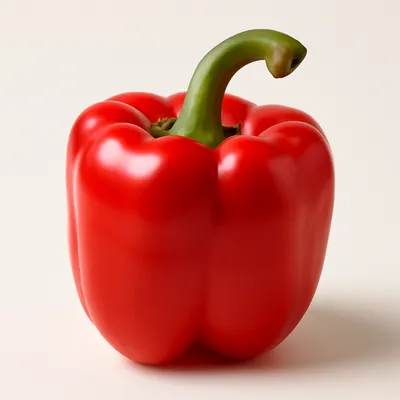
Stir in diced tomatoes and bell peppers, cooking until softened.
- 411 min
Pour in white wine, allowing it to reduce slightly.
Watch outLet the wine bubble down until the sharp alcohol smell softens before the shellfish go in.
- 523 min
Add seafood, seal the cataplana, and let steam until the clams and mussels open.
Watch outSeal and don't touch it; you're done when most shells have gaped open, about 5–7 minutes.
- 65 min
Garnish with fresh cilantro before serving.
Archive tool suggestions — not reviewed
These legacy suggestions have not been evidence-reviewed and are not presented as required tools.

A two-piece earthenware vessel from North Africa: a flat round base and a tall conical lid. The cone is the engine — steam rises into its narrow apex, condenses against cooler clay, and drips back down onto the meat below. With a tablespoon of water at the start, a tagine slow-braises lamb shoulder for 3-4 hours over low charcoal embers, the meat self-basting in its own evaporated juices.

A hammered-copper clamshell vessel hinged on one side, 28-35 cm across, that seals tightly along its rim. Loaded with shellfish, chouriço, tomato, garlic, and white wine, it's set over a flame; the trapped steam pressurizes slightly and cooks everything in 8-12 minutes — the lid is opened tableside in a theatrical reveal of the still-bubbling contents. The signature dish, cataplana de marisco, is named after the vessel.


