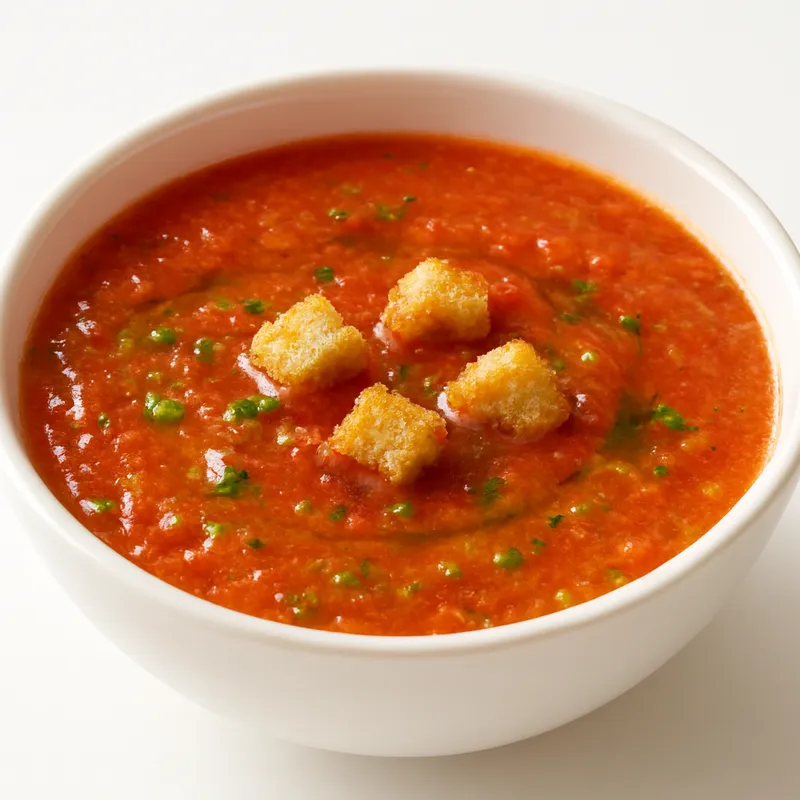





Chilindrón is the Aragonese name for a sauce-and-method anchored in the Pyrenean foothills of Huesca and Zaragoza. The word may derive from a 19th-century card game (chilindrón was a winning hand of three court cards of one suit — in the Spanish deck the jack (sota), knight (caballo), and king (rey) — visually echoing the dish's red peppers). The pepper-and-ham combination is the diagnostic: not a sofrito with peppers added, but a sauce where peppers and jamón are co-equal with the tomato. Lamb (cordero al chilindrón) is the older version; chicken became the household standard in the 20th century.
Aragonese sauce from Huesca and Zaragoza — name possibly from a 19th-century card game where the winning hand of three reds (kings, queens, jacks) echoed the dish's red peppers. Lamb is the older version; chicken became the household standard 20th-century. Ham fat must render before peppers go in or the peppers steam instead of fry.
Chicken comes off the bone with a fork-twist; skin has gone soft from the stew but holds its paprika color. The sauce is chunky, oil-slicked from the rendered ham and chicken fat, sweet from cooked-down peppers and tomato, with the smoke of pimentón threading through. Jamón lardons have shrunk to salt-bombs that punctuate the spoon. Bread to mop is mandatory. If the sauce is thin and watery, you didn't reduce uncovered at the end.
Three building blocks have to land in order: ham fat must render before peppers go in (so the peppers fry, not steam), peppers must char-edge before pimentón (charring builds smoke depth that pimentón then amplifies), and pimentón must go in off-heat (it scorches above 150°C). The braise is short — 35 minutes — because chicken on the bone gives up its juice fast; pushing past 50 minutes turns the meat stringy and the sauce muddy.
Variations
Cordero al chilindrón is the older lamb version still served in Huesca taverns; pollo al chilindrón is the household everyday; some Zaragoza cooks add red wine to the braise; Navarrese cousins sometimes work in piquillo peppers from Lodosa.
On the Palate
Where Pollo al Chilindrón sits in the Spanish flavor cloud
Ingredients
Serves 4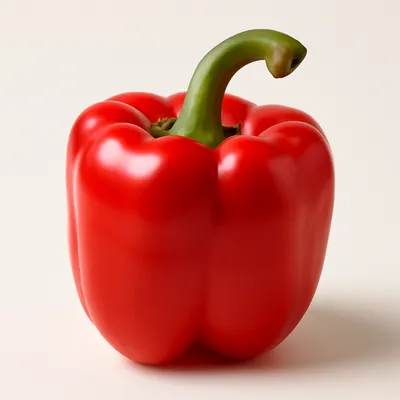


How it's made
6 steps · 25 min active + 50 min waiting
- 15 min
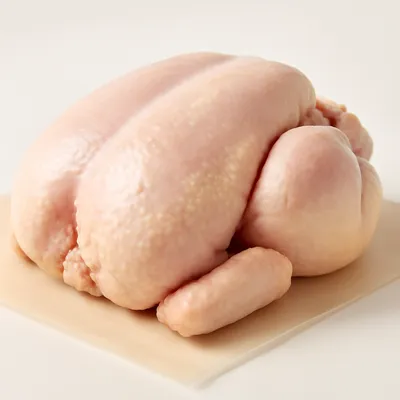
Pat dry 1.6kg whole chicken cut into 8 bone-in pieces. Salt liberally on all sides. Heat 60ml olive oil in a wide heavy pot over medium-high until shimmering.
- 212 min
Brown chicken pieces skin-side first, 4 minutes per side, in batches — don't crowd. The skin should release cleanly when ready. Lift onto a plate; leave the rendered fat in the pot.
Watch outCrowding drops the pan temperature and you steam-grey the skin instead of browning it.
- 36 min
Lower heat to medium. Add 1 large onion finely diced, 4 sliced garlic cloves, and 100g jamón serrano cut into small lardons. Sauté 6 minutes until onion is soft and translucent and the ham fat has melted.
- 46 min
Add 3 red bell peppers cut into 2cm strips. Sauté 5 minutes until peppers soften and edges char. Pull pot off the heat. Stir in 2 tsp pimentón dulce — never on the flame.
Watch outPimentón hits direct heat, it scorches in seconds — always pull off the burner first.
- 56 min
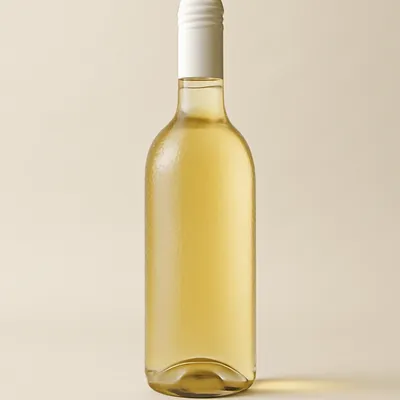
Return to medium heat. Add 4 ripe tomatoes peeled and chopped (or 400g tinned plum tomatoes crushed by hand) and 100ml dry white wine. Simmer 5 minutes until the tomato breaks down into a chunky sauce.
- 635 min
Nestle the chicken back in skin-side up — sauce should reach halfway up the pieces, not cover them. Cover, simmer on low 35 minutes. Uncover for the last 10 minutes to thicken. Adjust salt; serve with bread or boiled potato.
Archive tool suggestions — not reviewed
These legacy suggestions have not been evidence-reviewed and are not presented as required tools.