
Lonzu is the cured pork loin of Corsica, the lean counterpart to the island's hams: the whole loin of the nustrale pig, salted, seasoned with pepper and sometimes wine, cased and dry-aged for months. It slices into clean rounds, lean rose-red with a thin rim of white fat, and is served raw as part of a charcuterie board. Milder and leaner than the ham or the shoulder, it is the elegant member of the Corsican cured-meat trio.
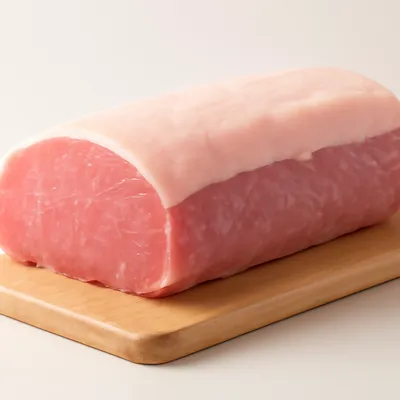




Lonzu is one of the three protected Corsican cured meats alongside prisuttu and coppa, all made from the native, free-ranging nustrale pig fattened on chestnuts and acorns and all cured in the cold season. Where the ham uses the leg and the coppa the shoulder-neck, the lonzu takes the loin — the long, lean muscle along the back — making it the leanest of the three. The trio together represents the charcuterie that has long been the most prestigious product of the Corsican interior, and curing the whole pig this way was how mountain families preserved a winter's worth of meat.
Sliced thin, lonzu is delicate and clean — pale rose lean with almost no marbling, ringed by a narrow band of firm white fat. The flavor is gentle and nutty, more restrained than the assertive ham, letting the pepper and the quality of the meat come through. The texture is firm and fine-grained, drier than the fattier cuts. On a board it is the mild palate-cleanser between the rich ham and the unctuous coppa.
Because the loin is very lean, curing it is more demanding than curing a fatty cut: with little fat to protect it, the lean muscle can dry too fast at the surface and trap moisture inside, so salting and humidity must be controlled carefully. The salt lowers water activity to preserve the meat while enzymes slowly develop flavor over the months of aging. Casing the loin slows surface drying and keeps the shape even. The result is a denser, drier cure than the ham precisely because there is so little fat to slow moisture loss.
Variations
The classic seasoning is just salt and a heavy coat of black pepper; some producers add red wine, garlic, or herbs of the maquis to the rub. Aging time sets the texture — a few months for a softer lonzu, longer for a firm, intense one. It is always part of the charcuterie trio with prisuttu and coppa. Cured loin exists across Europe (Italian lonza, Spanish lomo), but the nustrale breed and chestnut diet mark the Corsican one.
On the Palate
Where Lonzu sits in the French flavor cloud
Ingredients
Serves 10How it's made
6 steps · 1 day
- 115 min
Trim the whole pork loin clean and rub it all over with salt.
- 22160 min
Cure in salt for one to two days to draw out moisture.
Watch outCure the lean loin carefully — with almost no fat to protect it, too aggressive a salt draws the surface dry too fast and traps moisture inside; even, controlled salting is what lets it dry through without spoiling.
- 310 min
Brush off the salt, then coat heavily with black pepper and a little wine.
- 48 min
Slide the loin into a natural casing to keep its shape.
- 5129600 min
Hang in a cool, ventilated cellar and dry-age for at least three months.
Watch outDry-age at least three months in a cool, airy cellar — the lean cure needs the full stretch to lose moisture and build flavor; rushed, it stays soft and raw-tasting inside.
- 65 min
Slice thin and serve raw as part of a charcuterie board.
Archive tool suggestions — not reviewed
These legacy suggestions have not been evidence-reviewed and are not presented as required tools.



