
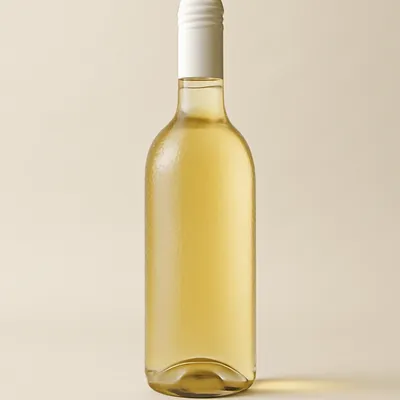
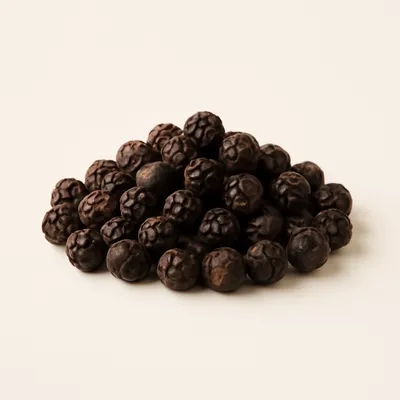
A Chablais speciality of Abondance cheese baked until it melts and gilds: the cheese, grated or sliced thin, is laid in a small individual ramekin rubbed with garlic, moistened with dry Savoie white wine and sometimes a splash of Madeira or Port, seasoned with pepper, and set in a hot oven until bubbling and golden at the edges. It is eaten straight from the dish, scooped up with bread or with potatoes boiled in their skins. Made with a single AOP mountain cheese and almost nothing else, it is the Chablais valleys' intimate, one-bowl cousin to fondue — richer, more concentrated, and served by the person rather than the pot.




The Berthoud comes from the Chablais, the northern corner of Haute-Savoie around Thonon-les-Bans, and is built on Abondance, the raw-milk pressed cheese of the Abondance valley — a cheese with monastic roots said to reach back to the medieval abbey there, granted AOC status in 1990 and the protected designation of origin (AOP) in 1996. The dish itself is more recent: by several accounts it was born in the early twentieth century at the Cercle Républicain, a bistro in the Concise quarter of Thonon-les-Bains run by the Berthoud family, who came originally from the village of Abondance, and it took their name. It was served by the portion to peasants and traders down from the Chablais valleys. In 2020 the Berthoud was registered as a guaranteed traditional speciality (the STG label), reportedly the first French cooked dish to win that European protection, which fixed its recipe around AOP Abondance and Savoie white wine.
It arrives blistering, the surface tanned and bubbling, the cheese beneath stretched into long elastic threads. The taste is pure Abondance — nutty, fruity, faintly hazelnut, with a whiff of the cellar — sharpened by the wine cooked into it and warmed by garlic and pepper, the Madeira leaving a dark, almost sweet edge. A torn piece of bread or a hot waxy potato dragged through it comes up cloaked and dripping. It is unapologetically rich; a single ramekin, a glass of the same white wine, and bread is a meal in the cold.
Melting cheese cleanly is a matter of acid and heat. Abondance is a pressed cooked-curd cheese, firm and relatively low in moisture, so it melts into a smooth, stretchy mass rather than seizing or weeping fat — and the wine is what keeps it that way. The tartaric acid and alcohol in dry white wine lower the melting behaviour of the cheese and help its proteins flow instead of clumping, the same chemistry that keeps a fondue silky; without that acidity the cheese would tighten into a rubbery, oily lump. A hot oven, around 180 to 200 degrees Celsius for ten to fifteen minutes, both melts the cheese through and browns the surface by the Maillard reaction, building the toasted, savoury skin. The garlic rubbed on the dish perfumes the cheese as it heats, and a splash of Madeira or Port adds acidity and a touch of sweetness that balances the richness.
Variations
The constant is AOP Abondance, dry Savoie white wine and garlic; what shifts is the fortified wine — Madeira in some kitchens, Port in others, none in the plainest version — and the seasoning, with nutmeg often joining the pepper. Some cooks finish it under the grill for a darker crust, others bake it gently. It is most often served with bread and with small potatoes boiled in their skins, sometimes alongside charcuterie and a green salad to cut the richness. Where Abondance is hard to find, other Chablais or Savoie mountain cheeses are sometimes substituted, though the STG recipe holds strictly to Abondance.
On the Palate
Where Berthoud sits in the French flavor cloud
Ingredients
Serves 2
How it's made
8 steps · 10 min active + 15 min waiting
- 15 min
Grate or thinly slice the Abondance cheese, discarding the rind.
- 21 min
Rub the inside of an individual ovenproof ramekin all over with a cut clove of garlic.
Watch outRub the ramekin all over with the cut garlic — that scented film is the whole aromatic base the melted cheese picks up.
- 32 min
Pile the cheese into the ramekin and pour over the dry Savoie white wine.
- 42 min
Add a small splash of Madeira or Port if using, and season with black pepper and a little nutmeg.
- 51 min
Set the ramekin in an oven preheated to 190°C.
- 613 min
Bake for 10 to 15 minutes until the cheese is fully melted, bubbling, and golden-brown at the edges.
Watch outPull it when the cheese is bubbling and gold at the edges — the wine's acid keeps it smooth and stretchy, but overheat it and the fat splits into a greasy, bitter lump.
- 715 min
Meanwhile boil small waxy potatoes in their skins, or warm and slice good bread.
- 81 min
Serve the berthoud at once, straight from the ramekin, for dipping bread and potatoes.
Archive tool suggestions — not reviewed
These legacy suggestions have not been evidence-reviewed and are not presented as required tools.


