
A baked sweet-savoury potato cake from the high valleys of Haute-Savoie: finely grated raw potato bound with eggs and a little milk or cream, studded with soft prunes and raisins and threaded with lardons or bacon, sometimes lifted with a pinch of sugar. The mould is lined with strips of bacon, packed tight, and cooked very slowly — classically in a bain-marie for hours — so the grated potato sets into a dense, moist loaf. The signature is its contrast: smoky pork and savoury potato against the dark sweetness of the dried fruit. It is a festive Sunday and holiday dish, long enough in the oven that a family could leave it cooking through morning Mass. Spellings and recipes vary valley to valley (farçon, farcement, goûres), some leaning savoury, some markedly sweet.




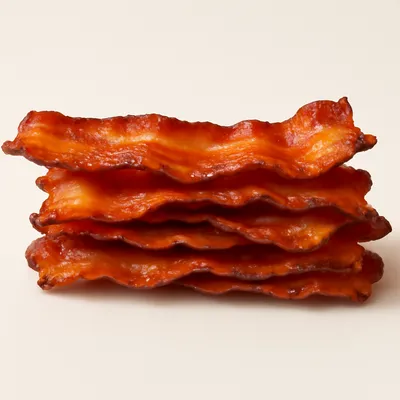

A mountain dish of Haute-Savoie, particularly the Beaufortain and Tarentaise valleys and the Arve and Arly valleys, where it is regarded as something close to the Savoyard national dish. It was cooked in a dedicated lidded mould with a hollow central cone — the rabolire or barakin — set in a bain-marie, and its great virtue was time: the household could put it on, walk to church, and come back hours later to find it cooked rather than ruined, which is why it became the Sunday and feast-day dish. Documented cooking times run from about two and a half to five hours depending on the valley and the vessel. Recipes split by region — raw grated potato in the Arve and Arly, a cooked potato purée around Faucigny and Le Grand-Bornand, milk-soaked bread in the Beaufortain and Tarentaise — and the balance of sweet and savoury shifts with them. It should not be confused with the Auvergne farçon or pounti, which is built on chard and pork forcemeat with no potato; the Savoyard version is firmly potato-based.
Cut warm, a slice is dense and tender, the grated potato set custard-firm and faintly chewy, glistening from the cream and rendered pork. Then the surprises arrive in alternating bites: a salty knot of bacon, then a prune gone jammy and dark, then a burst of sweet raisin against the plain earthiness of the potato. The lining of bacon gives a crusted, smoky edge; the centre stays soft and moist from the long gentle bake. It eats rich and filling — a whole meal in a wedge — savoury and sweet at once in a way few dishes attempt.
The texture depends on raw grated potato and gentle, even heat. Grating ruptures the cells and releases starch; as the loaf heats slowly, that starch gelatinises and the eggs coagulate around it, setting the mass into a sliceable, custard-like cake rather than loose hash. The bain-marie is the point — surrounded by water held below boiling, the mould never exceeds about 100 degrees Celsius, so the egg sets silky and the centre cooks through over hours without the outside scorching or the eggs curdling, exactly the insurance that let a cook leave for Mass. The bacon lining renders and bastes the loaf from the wall inward while taking colour, and the prunes and raisins are usually soaked first so they plump and stay moist instead of drying hard. A central cone in the traditional mould carries heat into the dense middle so it cooks evenly.
Variations
The great divide is raw grated potato (Arve, Val d'Arly) versus a cooked potato purée (Faucigny, Le Grand-Bornand), with milk-soaked bread folded in around the Beaufortain and Tarentaise, where it is also called goûres. Some versions are frankly sweet with added sugar and more fruit; others run almost purely savoury, dropping the fruit for just bacon and potato. Cooks short of a rabolire mould use a charlotte tin, a deep cake tin or a terrine, still in a bain-marie, and modern kitchens often bake it covered in the oven rather than over water. Figs sometimes join the prunes and raisins; a pear or apple appears in a few valleys.
On the Palate
Where Farçon Savoyard sits in the French flavor cloud
Ingredients
Serves 8

How it's made
8 steps · 40 min active + 3 hours 50 min waiting
- 120 min
Soak the prunes and raisins in warm water (or a little tea) until plump, then drain; pit and quarter the prunes.
- 215 min
Peel the potatoes, grate them finely, and squeeze out as much liquid as possible in a towel.
Watch outSqueeze the grated potato as dry as you can in a towel — leftover water stops the starch from setting and the loaf turns to loose hash.
- 35 min
Beat the eggs with the milk or cream, season with salt, pepper and nutmeg, and add a pinch of sugar if you want it sweeter.
- 48 min
Fry the lardons lightly to render some fat, then fold the potato, eggs, lardons, prunes and raisins together.
- 56 min
Line a charlotte tin or rabolire mould with strips of bacon, leaving ends overhanging.
- 65 min
Pack the mixture in firmly, fold the overhanging bacon over the top, and cover the mould tightly with a lid or foil.
- 75 min
Set the mould in a deep tray, pour in hot water to come halfway up the sides, and bake in a bain-marie at 150°C.
Watch outBake in the bain-marie so the mould never exceeds boiling — the water bath is what sets the eggs silky over hours without curdling or scorching.
- 8220 min
Cook for 3 to 4 hours, topping up the water as needed, until set firm; rest, unmould and serve in thick wedges.
Archive tool suggestions — not reviewed
These legacy suggestions have not been evidence-reviewed and are not presented as required tools.


