
The classical French tomato mother sauce as set down by Escoffier — a world apart from a simple Italian pomodoro. It is built on salt pork, a mirepoix of carrot and onion, a little roux, white stock and a bouquet garni, with the tomatoes cooked down slowly and the whole sometimes finished with a knob of butter and a pinch of sugar. Rich, rounded and gently thickened, it dresses pasta, eggs, grilled meats and croquettes.



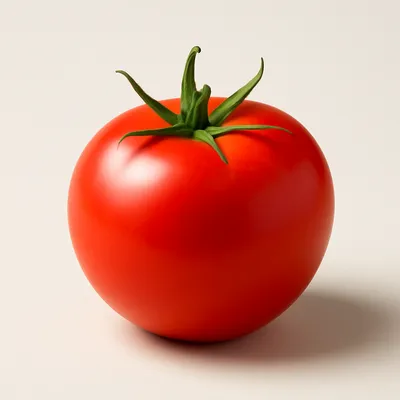

The tomato sauce was admitted to the French canon comparatively late, after the tomato — a New World fruit long regarded with suspicion in Europe — gained acceptance in cooking. Auguste Escoffier set it among the five mother sauces in Le Guide culinaire (1903), giving it a structure built on pork and stock that distinguishes it sharply from Mediterranean tomato sauces. Marie-Antoine Carême's earlier system of grande cuisine had been built around four great sauces; the tomato sauce was the fifth, added as the fruit took its place in the French kitchen.
Deeper and more savoury than a bright Italian sauce, it carries a soft sweetness from the long-cooked carrot and tomato, a backbone of pork and stock, and only a clean, mellowed acidity rather than a sharp tang. The texture is smooth and lightly bound, glossy from its finishing butter. It tastes cooked-down and complete, not fresh and raw.
Long, slow cooking concentrates the tomatoes and breaks them down as their pectin and the small amount of roux together set a smooth, lightly thickened body; the salt pork and stock dissolve savoury, gelatinous depth into the sauce that a plain tomato base lacks. A final pinch of sugar offsets the tomato's natural acidity, and a knob of cold butter swirled in at the end emulsifies to give gloss and a rounder mouthfeel.
Variations
Lighter modern French versions drop the roux and lean on the tomato's own body, closer to a coulis. A coulis de tomate is a strained, unthickened purée; sauce portugaise adds extra onion, garlic and herbs; and the sauce underpins dishes 'à la provençale' and countless gratins and stuffed vegetables. It also serves as the base note in Spanish and Creole tomato-based sauces.
On the Palate
Where Sauce Tomate sits in the French flavor cloud
Ingredients
Serves 10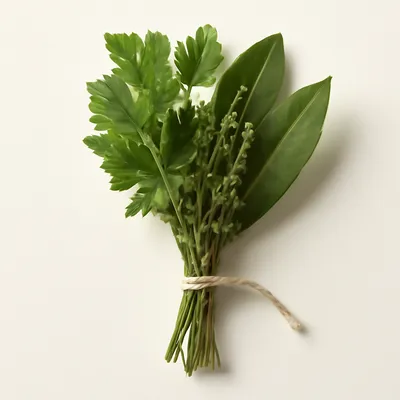


How it's made
5 steps · 30 min active + 1 hour 30 min waiting
- 110 min
Render diced salt pork in a heavy pot, then sweat a mirepoix of carrot and onion in the fat.
- 24 min
Stir in a little flour and cook briefly to a pale roux.
Watch outCook the flour just to a pale roux, no color — here you want a discreet thickener, not a nutty brown one that would muddy the clean tomato.
- 35 min
Add chopped ripe tomatoes, white stock and a bouquet garni, and bring to a simmer.
- 490 min
Cook gently for 1 to 2 hours, stirring now and then, until reduced, soft and thick.
Watch outSimmer an hour or two until it reduces thick and soft — that long cook is where the tomato concentrates and the raw edge cooks off.
- 55 min
Pass through a sieve, then season with salt, a pinch of sugar and a knob of butter swirled in to finish.
Watch outSwirl the cold butter in off the heat at the very end — it emulsifies to a gloss and rounder mouthfeel; boil it in and you lose the sheen.
Archive tool suggestions — not reviewed
These legacy suggestions have not been evidence-reviewed and are not presented as required tools.


