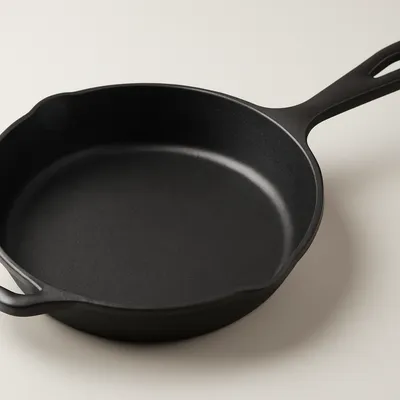
A thick peasant soup of French Catalonia (Roussillon) made of cabbage, white beans and pork (often with a piece of cured ham, sausage or confit) simmered slowly in an earthenware pot. It is traditionally cooked in two pots — one of beans, one of cabbage and vegetables — then combined, and finished with a rust-coloured sofregit or fried garlic. Hearty and humble, it is winter and everyday food in the Catalan villages around the Pyrenees.

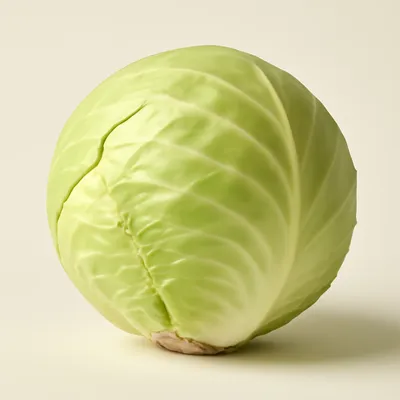


The ouillade takes its name from the oula, the Catalan earthenware cooking pot, and is one of the oldest documented peasant soups of Roussillon, related to the wider family of garbure and bean-and-cabbage soups of the southwest. It was historically a perpetual pot kept going on the hearth and replenished day to day. The name and the dish belong to French Catalan tradition, with close cousins across the Spanish border; it is folk cookery rather than a dated chef's recipe, defined by the white beans, cabbage and slow earthenware simmer.
A deep bowl of thick, murky soup smelling of cabbage, pork fat and garlic. The white beans have begun to break down and cloud the broth so it is almost stew-like; soft ribbons of cabbage and shreds of cured pork hang in it. The fried-garlic-and-tomato finish leaves a faint sweetness and a rust colour on top. It is warming, sustaining cold-weather food, eaten with plenty of bread and often better the next day.
Cooking the beans and the cabbage in separate pots keeps the cabbage from souring the beans and lets each reach the right texture before they are married — the same logic of not steaming one ingredient in another's water. The white beans are the thickener: as they soften, their starch clouds and bodies the broth without flour. A final sofregit (slow-fried onion, garlic and tomato) or a quick fried garlic, stirred in at the end, adds a layer of caramelised sweetness over the long, gentle simmer.
Variations
The pork element varies — salt pork, a ham bone, botifarra sausage, or a piece of confit, according to the household and season. Some versions add potato or turnip. The two-pot method is the traditional ideal but many cooks make it in one. As a perpetual soup, the next day's bowl, reheated and topped up, is considered the best.
On the Palate
Where Ouillade sits in the French flavor cloud
Ingredients
Serves 6

How it's made
6 steps · 40 min active + 2 hours 20 min waiting
- 110 min
Soak white beans overnight; drain.
Watch outCook the beans in their own pot, separate from the cabbage — the two are married only at the end, so each reaches its right texture and the cabbage doesn't sour the beans.
- 290 min
Simmer the beans gently with a piece of cured pork or ham bone until tender.
- 345 min
In a second pot, simmer cabbage with onion, leek and any sausage until soft.
- 430 min
Combine the two pots and continue simmering so the flavours meld and the beans cloud the broth.
Watch outSimmer until the softening beans cloud the broth — their released starch is the only thickener, so let them go until the liquid bodies up.
- 515 min
Make a sofregit of onion, garlic and tomato (or just fry garlic) and stir it in.
- 65 min
Season, rest briefly, and serve with bread.
Archive tool suggestions — not reviewed
These legacy suggestions have not been evidence-reviewed and are not presented as required tools.