
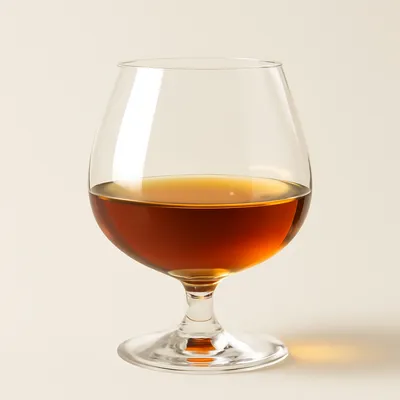
A Menorcan stew of spiny lobster, the island's most prized seafood dish — and, unlike the lamb caldereta of mainland Spain, built entirely on shellfish. Live European spiny lobster is cut up and simmered with a slow sofrito of onion, garlic, tomato, and green pepper, often loosened with a little brandy and the lobster's own juices. It is served brothy in two stages: thin slices of bread soak up the soup, then the lobster is eaten from the shell. Fornells, on Menorca's north coast, is its home.
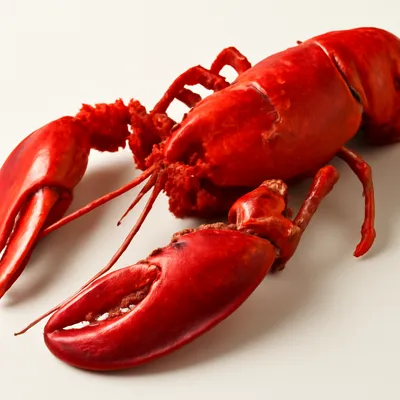




Despite sharing the name caldereta — from the caldera, the iron or clay pot it is cooked in — this is a distinct dish from the meat calderetas of Extremadura and elsewhere; here the protein is spiny lobster, not lamb. It began in the early 20th century as a poor fishermen's meal in the village of Fornells, cooked from the day's catch with garden vegetables and bread to stretch it. As Menorcan lobster became sought-after, the stew rose from humble fare to a restaurant signature by the mid-20th century, with Fornells still regarded as its epicentre.
The broth is the heart of it: deep amber-red, intensely savoury, thickened with sweet long-cooked vegetables and the briny juices wrung from the shells. Soaked into bread it eats almost like a soup. The spiny lobster itself is sweet, firm, and faintly mineral, pulled from the shell and dipped back into the broth. Rich and marine rather than heavy, with the green pepper and a whisper of brandy lifting the sweetness of the shellfish.
Flavour is layered, not boiled in. The sofrito — onion, garlic, green pepper, and tomato sweated slowly in olive oil until jammy and dark — builds the savoury, slightly sweet base before any liquid goes in. The lobster heads and the coral (tomalley) are pressed or stirred into the pot, so their fat and roe enrich and lightly thicken the broth; a splash of brandy is reduced off to round it. The lobster meat is added late and cooked only briefly, since spiny lobster turns rubbery if overdone. The clay pot holds an even, gentle heat that keeps the broth at a simmer rather than a hard boil.
Variations
Recipes argue over brandy versus a splash of white wine, and whether to add a picada of fried bread, garlic, and parsley to thicken. Some cooks finish it with beaten egg yolk stirred into the broth, or layer the soaked bread into the pot. It belongs to the same Balearic family of caldera seafood stews but is the grandest of them; the cheaper everyday version swaps spiny lobster for crab or rockfish.
On the Palate
Where Caldereta de Llagosta sits in the Spanish flavor cloud
Ingredients
Serves 4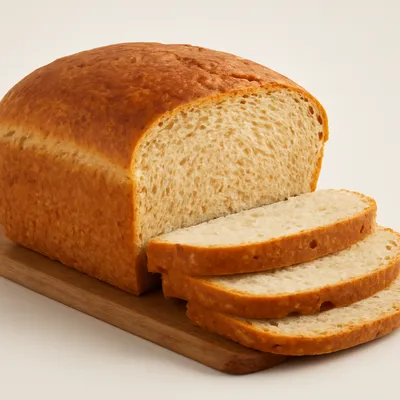

How it's made
6 steps · 55 min active + 5 min waiting
- 115 min
Cut the live spiny lobster into pieces, reserving the head, juices, and coral.
- 212 min
Sweat finely chopped onion, garlic, and green pepper in olive oil until soft and golden.
- 310 min
Add grated tomato and cook the sofrito down until thick, dark, and jammy.
Watch outCook the sofrito all the way down until it's thick, dark and jammy — that slow-built base is the savory-sweet backbone; a pale, watery sofrito leaves the broth flat.
- 413 min
Stir in the lobster heads and coral, add a splash of brandy, and let it reduce; pour in water or fish stock and simmer to a savoury broth.
Watch outStir the heads and coral in and reduce the brandy off — the coral's fat and roe enrich and lightly thicken the broth; the brandy just needs its raw edge cooked away.
- 55 min
Add the lobster pieces and cook just until the flesh is set and opaque, keeping the pot at a gentle simmer.
Watch outAdd the lobster meat late and cook it only until just opaque — spiny lobster turns rubbery the moment it's overdone.
- 65 min
Lay thin slices of bread in bowls, ladle the broth over to soak, and serve the lobster from the shell.
Archive tool suggestions — not reviewed
These legacy suggestions have not been evidence-reviewed and are not presented as required tools.


