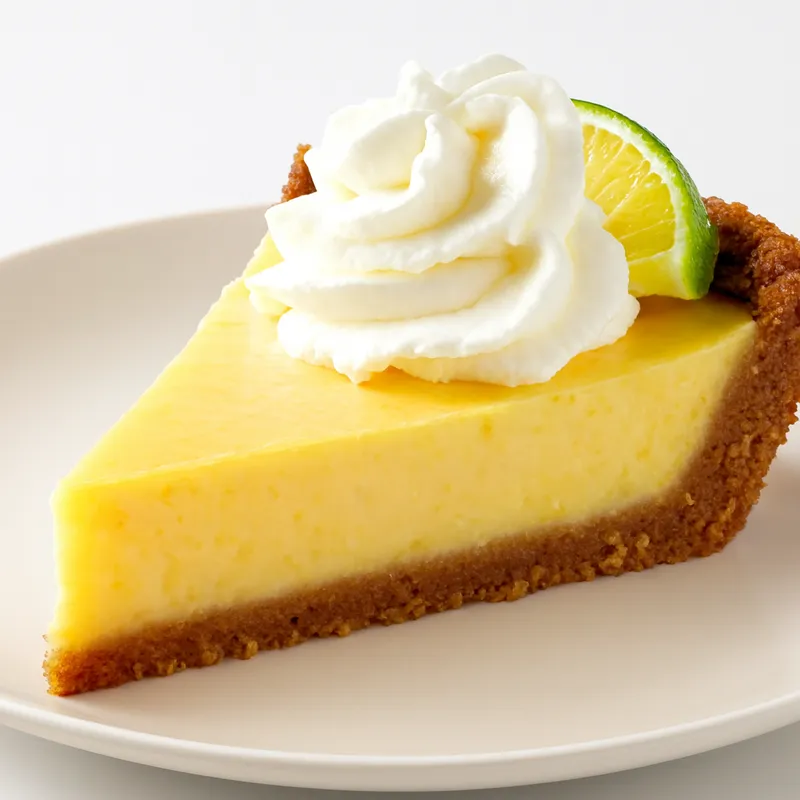
A pale-orange Charleston Lowcountry cream soup built on blue-crab meat and, crucially, the orange roe of the female crab, enriched with cream and a light starch and finished at the table with a pour of dry sherry. The roe colors the soup, thickens it, and gives a briny, faintly mineral depth that plain crab soup lacks. It is a signature of the South Carolina coast, served in small cups as a first course at fine Charleston restaurants.





The soup is generally credited to William Deas, an African American butler and cook for Charleston mayor R. Goodwyn Rhett in the early 1900s, who is said to have enriched a pale crab soup by stirring in the female crab's roe in the kitchen of the John Rutledge House. The widely repeated tale that he created it to impress President William Howard Taft is regarded by Lowcountry food historians as apocryphal — Deas's own son did not recall it. Culinary historian John Martin Taylor argues the base derives from partan bree, a Scottish crab-and-cream soup thickened with rice; the addition of roe appears to be Deas's own contribution.
Silky and just thick enough to coat the spoon, never gluey. The dominant taste is sweet blue-crab meat, but the roe sits underneath with a deeper, faintly briny, almost mineral richness, and the cream rounds it. The sherry, added last, lifts the whole cup with a warm, nutty top note and a touch of heat that cuts the dairy. Served hot in a small cup, often with a few extra grains of roe and a swirl of cream floated on top.
The body comes from a light starch — classically a brief blond roux or a slurry — plus the cream, so the soup stays pourable rather than stodgy. The crab roe is the defining element: its fat and proteins emulsify into the cream, tinting it orange and adding savory depth without any tomato. The soup is held below a simmer once the cream is in, because dairy proteins curdle if boiled hard. The sherry is added off direct heat at the very end so its aromatics survive; cooking it down would burn off the lift it is there to provide.
Variations
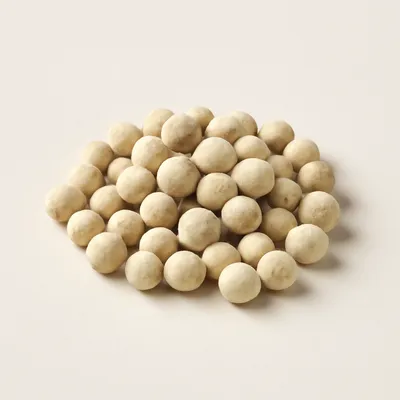
Where genuine she-crab roe is unavailable or out of season, cooks substitute crumbled hard-cooked egg yolk to mimic the color and richness, or simply make a roe-less crab cream soup. Some Charleston restaurants thicken with rice in a nod to the Scottish partan bree ancestor. The soup is a Lowcountry cousin to New England's crab and lobster bisques, but is distinguished by the roe and the defining splash of sherry rather than a tomato or brandy base.
On the Palate
Where She-Crab Soup sits in the American flavor cloud
Ingredients
Serves 4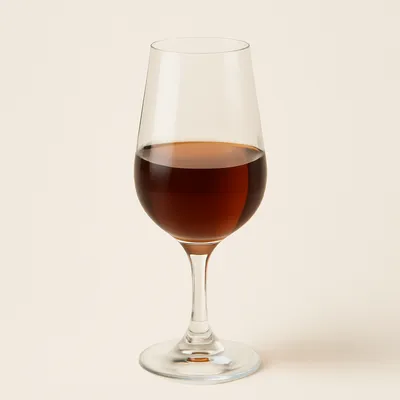

How it's made
6 steps · 20 min
- 110 min
Pick over fresh blue-crab meat for shell fragments and set aside the orange roe separately.
- 25 min
Melt butter in a heavy pot, whisk in flour, and cook briefly into a pale blond roux without coloring it.
Watch outCook the roux just until it smells biscuity but stays pale blond — let it take on color and you lose the clean thickening and the soup turns beige.
- 35 min
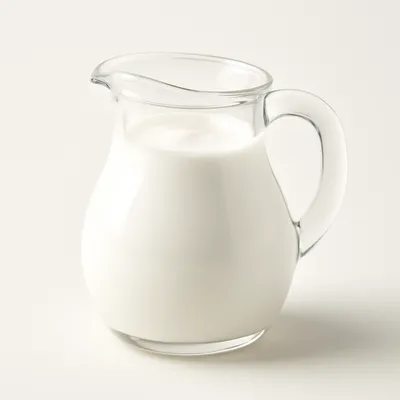
Slowly whisk in milk and cream, then a little fish or crab stock, until smooth.
- 410 min
Add most of the crab roe and a grating of mace or nutmeg; simmer gently, never boiling, until lightly thickened.
Watch outHold it at a bare shiver, never a bubble — once cream boils the dairy proteins seize into grainy curds and the silk is gone.
- 55 min
Fold in the crab meat and warm through, seasoning with salt, white pepper, and a little lemon.
- 65 min
Ladle into warmed cups, pour a spoon of dry sherry into each, and garnish with the reserved roe and a swirl of cream.
Archive tool suggestions — not reviewed
These legacy suggestions have not been evidence-reviewed and are not presented as required tools.