
A slow-baked New England dessert of cornmeal simmered into milk, sweetened heavily with molasses, and spiced with cinnamon and ground ginger. The cornmeal is cooked first into a hot mush, then enriched with butter, eggs, and more milk and baked in a slow oven for two to three hours until it sets into a dark, loose, custard-soft pudding. It is served warm, usually with a scoop of vanilla ice cream or a pour of cold cream that melts into the spiced surface.




Indian pudding descends from English hasty pudding, a stovetop porridge of milk or water thickened with wheat flour. Seventeenth-century English colonists in New England, short on wheat but taught to grow maize by Indigenous peoples, substituted cornmeal for flour; because colonists called maize 'Indian corn,' the dish became 'Indian pudding.' Molasses, cheap and plentiful through Boston's 18th-century rum trade, became the standard sweetener. Recipes appear in early American cookbooks from Amelia Simmons' American Cookery (1796) onward, and the dish was revived as a Thanksgiving dessert in the late 19th century.
Dark amber-brown, soft enough to spoon but holding its shape in the dish. The first taste is molasses — bittersweet, almost burnt-sugar deep — then warm cinnamon and the faint heat of ginger. The cornmeal gives it a gentle grain on the tongue, not smooth like a baked custard but slightly porridge-textured. Served hot against cold cream or melting ice cream, the temperature contrast is the point. Too little molasses and it tastes like sweet cornmeal mush; the molasses is what makes it a dessert.
Two stages set the texture. First the cornmeal is whisked into scalded milk and cooked until its starch granules gelatinize and swell, thickening the mixture into a mush — this prevents the gritty separation that raw cornmeal would leave. Then eggs are stirred in and the pudding is baked low and slow, around 150-160°C for two to three hours, so the egg proteins coagulate gently and bind the custard without curdling. A common trick is to pour a little extra cold milk over the surface before baking; it sinks and keeps the center loose and spoonable rather than firm.
Variations
Recipes split over the sweetener — molasses is orthodox, but maple syrup was the period substitute in inland New England where maple was easier to get than imported molasses. Some cooks add raisins, others a beaten egg white for lightness. Durgin-Park, the long-running Boston dining hall, made its baked Indian pudding famous served with vanilla ice cream. The dish is a close cousin of plain hasty pudding (the unbaked cornmeal porridge) and of Southern spoonbread, which uses the same cornmeal-and-egg base but is savory and risen.
On the Palate
Where Indian Pudding sits in the American flavor cloud
Ingredients
Serves 6

How it's made
7 steps · 20 min
- 18 min
Scald 4 cups whole milk in a heavy pot until steaming but not boiling.
- 215 min
Whisking constantly, rain in 1/2 cup yellow cornmeal and cook 10-15 minutes until thickened to a mush.
Watch outRain the cornmeal in whisking constantly and cook until thickened to a mush — this gelatinizes the starch so it won't taste gritty.
- 33 min
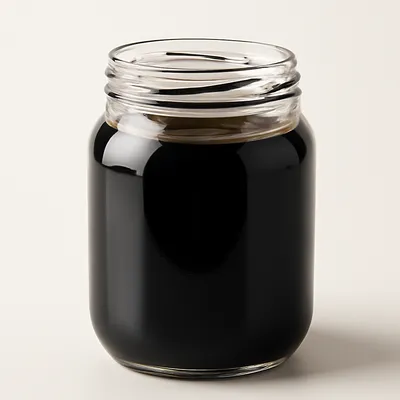
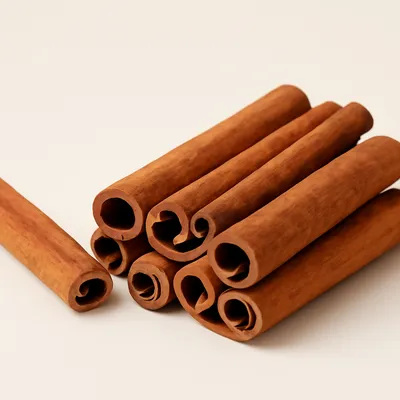
Off the heat stir in 2/3 cup molasses, 3 tablespoons butter, 1 teaspoon cinnamon, 1/2 teaspoon ground ginger, and 1/2 teaspoon salt.
- 44 min
Beat 2 eggs and temper them in, then pour the mixture into a buttered baking dish.
- 51 min
Pour 1 cup cold milk over the surface without stirring, so it pools and keeps the center loose.
Watch outPour cold milk over the surface without stirring — it sinks and keeps the center loose and spoonable instead of firmly set.
- 6165 min
Bake at 150-160°C for 2 to 3 hours until set at the edges but still soft in the middle.
Watch outBake low and slow at 150-160 for hours until set at the edges but soft in the middle — high heat curdles the egg custard.
- 718 min
Rest 15-20 minutes and serve warm with vanilla ice cream or cold cream.
Archive tool suggestions — not reviewed
These legacy suggestions have not been evidence-reviewed and are not presented as required tools.


