Pennsylvania Dutch breakfast loaf made from pork shoulder and trimmings simmered with cornmeal, buckwheat flour, sage, and pepper into a thick mush — chilled into a brick, sliced, and pan-fried until the outside is crackling-crisp.
Scrapple — from Pennsylvania Dutch "Pannhaas" ("pan rabbit") — was brought by 17th- and 18th-century German immigrants to southeastern Pennsylvania. The recipe is a frugality dish: after butchering a hog, every scrap and trim was simmered, thickened with locally grown cornmeal and buckwheat (the latter a cool-climate Old World grain familiar to German-speaking farmers), and pressed into a loaf for the week's breakfasts. Habbersett's (1863) is the oldest surviving commercial brand; Isaac S. Habbersett began mass-producing scrapple in Middletown (Media), Delaware County, PA — it remains the top-selling brand in the Philadelphia market. The dish is geographically tight: it never spread far beyond Pennsylvania, Delaware, New Jersey, and Maryland.
From Pennsylvania Dutch "Pannhaas" ("pan rabbit"). Brought by 17th-18th-century German immigrants to southeastern PA. Habbersett's (Philadelphia, 1863) is the oldest surviving commercial brand. Cornmeal plus buckwheat is the German-immigrant fingerprint — without buckwheat it's just seasoned cornmeal mush. Geographically tight: PA, DE, NJ, MD only.
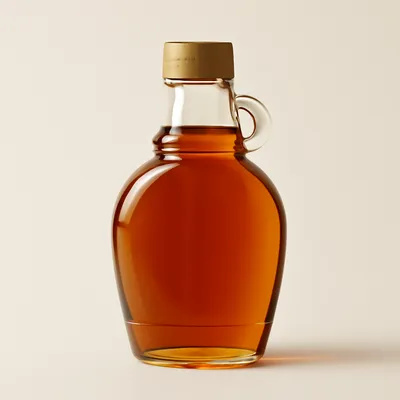
A 1/2-inch slab with a near-black crust that crackles audibly when you cut it; the inside is soft, almost custardy, gray-brown, with the texture of polenta plus visible flecks of pork. Sage and pepper read first, then a deep porky savor that's somewhere between bratwurst and headcheese. Maple syrup on top is the Pennsylvania Dutch comfort move — sweet syrup against salty fried pork mush. Benchmark: a soft inside under a shatteringly crisp crust. If it's mush-soft outside, the pan wasn't hot enough.
Two starches are deliberate. Cornmeal gives bulk and the polenta-like body that holds the loaf together when sliced. Buckwheat (technically a pseudocereal) brings an earthy, slightly bitter depth and is a German immigrant fingerprint — without it, scrapple tastes like seasoned cornmeal mush. The mush must thicken to past the point of polenta — when it pulls cleanly from the sides of the pan — or the slices fall apart in the skillet. The chill is non-negotiable: pectin from the bones plus starch retrogradation give the loaf its sliceable structure.
Variations
Habbersett's (Philadelphia, 1863) is the historical brand; Rapa (Bridgeville DE) is the Delaware reference; Hatfield (Lansdale PA) and Dietrich's Meats (Krumsville PA) run the artisanal end; Goetta in Cincinnati is the German-immigrant cousin built on steel-cut oats instead of buckwheat-and-cornmeal.
On the Palate
Where Scrapple sits in the American flavor cloud
Ingredients
Serves 8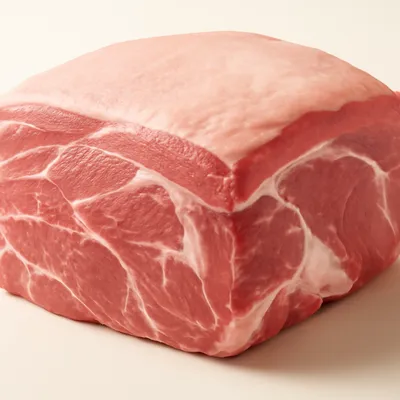







How it's made
6 steps · 1 hour active + 3 hours waiting
- 1120 min
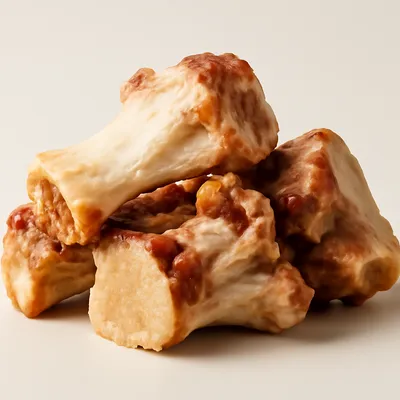
In a heavy stockpot, combine 2 lb (900g) pork shoulder, 1 lb (450g) pork bones (neck or trotter), 1 onion halved, 2 bay leaves, 1 tsp black peppercorns. Cover with 8 cups (1.9L) water. Simmer 2 hours until pork is fall-apart tender.
Watch outSkim foam in the first 20 minutes — clear stock makes a cleaner-tasting scrapple.
- 210 min
Strain stock and reserve 6 cups (1.4L). Pull pork into shreds, discarding bones and gristle. Chop fine or pulse 5 times in a food processor — texture should be coarse, not paste.
- 325 min
Bring reserved stock to a simmer. Whisk in 1 1/2 cups (210g) yellow cornmeal and 1/2 cup (60g) buckwheat flour in a slow stream — whisk constantly to prevent lumps. Cook 25 minutes, stirring frequently with a wooden spoon, until very thick and pulling from the sides like polenta.
Watch outIt will spit aggressively — use a long spoon and a splatter screen. Stir the bottom each time or it scorches.
- 45 min
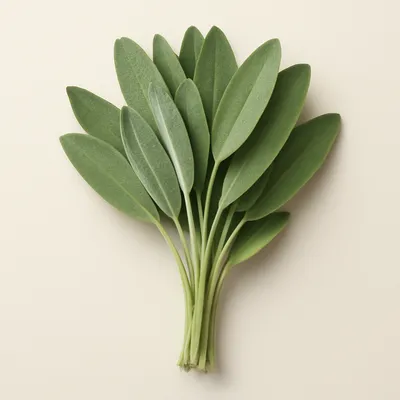
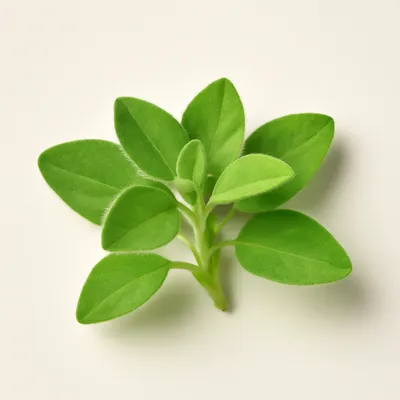
Off heat, fold in the shredded pork, 1 tbsp dried sage, 1 1/2 tsp ground black pepper, 1 tsp marjoram, 1 tsp salt, 1/4 tsp grated nutmeg. Taste — should be assertively peppered and herbal.
Watch outCold scrapple tastes blander than hot — over-season slightly now.
- 55 min
Pour into 2 greased 9x5 inch loaf pans. Smooth the top, press plastic wrap directly onto the surface, refrigerate 4 hours minimum or overnight until firmly set.
- 610 min
Unmold and slice 1/2 inch (1.2cm) thick. Pan-fry in 2 tbsp neutral oil over medium-high heat 4 minutes per side, undisturbed, until each face is dark crusted and crackling. Serve with maple syrup, ketchup, or apple butter — Pennsylvania Dutch tradition is split.
Watch outDon't move it. Scrapple's crust takes a full 4 minutes to form — flip too early and it falls apart.
Archive tool suggestions — not reviewed
These legacy suggestions have not been evidence-reviewed and are not presented as required tools.