
A warm Franc-Comtois plate built around Comté, the great hard mountain cheese of the Jura massif. A thick slice of bread or a hollow of puff pastry is soaked or brushed with the region's white wine, layered with ham and abundant Comté, and baked until the cheese melts to a golden, bubbling crust. It is a hearty bistro main, the cheese-country answer to a croque-monsieur, leaning on the nutty, fruity depth of well-aged Comté. The croûte is the toasted base that carries it all.





The dish exists to showcase Comté, France's most-produced AOP cheese and the pride of Franche-Comté: a pressed, cooked-curd cow's-milk cheese made in big wheels in village cooperatives called fruitières, aged in cellars for months to several years. Comté received an Appellation d'Origine Contrôlée in 1958, among the earliest French cheeses to be protected, and its milk comes only from Montbéliarde and French Simmental cows grazing the Jura. A croûte comtoise is regional comfort cooking — a way to eat a lot of the local cheese melted, browned, and made a meal of, dressed with the region's ham and a splash of Jura wine. It belongs to the same family of melted-cheese toasts found across France's mountain cheese country.
The top is a deep-golden, blistered crust of melted Comté, crisp and lacy at the edges where it has caught the heat, soft and stringy underneath. Cut in and the cheese pulls into threads over ham and wine-soaked bread that has gone tender and savoury. Comté itself tastes of toasted hazelnut, brown butter and a faint fruity sweetness that grows with age — an older wheel makes a more powerful croûte. The whole plate is rich, salty and deeply savoury, eaten hot with a green salad to cut it. A knife meets a little resistance at the crust, then sinks into melt.
Comté is a cooked, pressed cheese: the curd is heated during making, which expels moisture and builds a dense, hard paste that melts smoothly without splitting because of its even fat-to-protein structure and months of enzymatic ageing. Under the grill or in a hot oven the cheese passes its melting point, the proteins loosen and flow, and at the surface Maillard browning and slight scorching create the prized crust and nutty roasted aromas. The wine-soaked bread base supplies acidity and moisture that keep the melt from turning oily, and it absorbs the cheese fat as it bakes so the croûte holds together. Older Comté, drier and more concentrated, browns and flavours more strongly; very young Comté melts softer and milder.
Variations
The basic croûte comtoise is bread, ham and Comté, but it overlaps with the croûte forestière (with mushrooms in cream) and with morels in the Jura. Some build it as a croûte au vin jaune, soaking the base in the region's yellow wine. It is close kin to the Nord's welsh and to the croque-monsieur, but defined by Comté rather than Gruyère or cheddar. A simpler everyday form is just thick toast piled with grated Comté and grilled. The cheese also stars in the region's gougères, fondue comtoise and gratins, but the croûte is the way to eat it as a melted main.
On the Palate
Where Croûte Comtoise sits in the French flavor cloud
Ingredients
Serves 4How it's made
6 steps · 20 min active + 15 min waiting
- 15 min
Slice bread thickly or set out blind-baked puff pastry cases.
- 24 min
Brush or soak the base with Jura white wine and a little stock.
Watch outSoak the base with wine and stock so it's moist but not sodden — that moisture keeps the melting Comté from turning oily and lets the bread drink the fat.
- 32 min
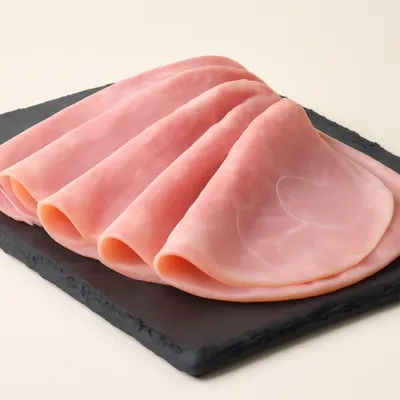
Lay a slice of cooked ham over each base.
- 44 min
Pile generously with grated or thinly sliced aged Comté.
- 515 min
Bake or grill in a hot oven until the cheese melts and the top is golden and bubbling.
Watch outPull it when the cheese is melted and the top is golden and bubbling — push past that and the aged Comté scorches and the fat splits out.
- 62 min
Serve hot, with a sharp green salad alongside.
Archive tool suggestions — not reviewed
These legacy suggestions have not been evidence-reviewed and are not presented as required tools.


