
Canistrelli are the dry, crisp little biscuits of Corsica, made from flour, sugar, oil, and white wine, flavored most classically with anise. The dough is rolled, cut into small lozenges or rectangles, and baked until firm and pale-gold. They keep for weeks, snap cleanly, and are meant to be dunked in coffee, wine, or a digestif. Sold in every Corsican market and bakery, they are the island's everyday sweet.


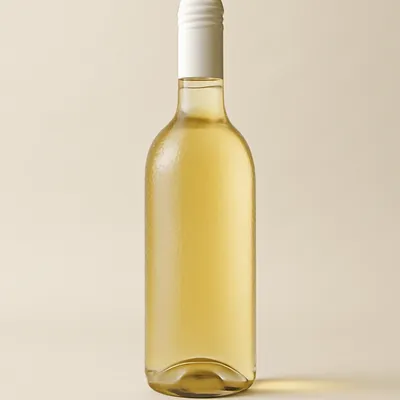
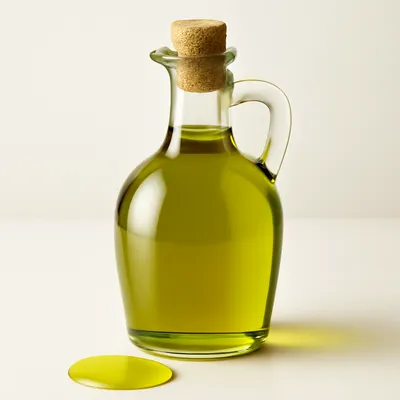


Canistrelli descend from the Mediterranean tradition of twice-baked or long-keeping biscuits that sailors and shepherds could carry, and they share roots with the Italian canestrelli and the wider family of wine biscuits of the Liguria–Corsica region — another mark of the island's Genoese past. Crucially they are made with oil and wine rather than butter, which is why they were historically a poor man's keeping-biscuit in a place with little dairy butter; the same recipe survives today as a market staple rather than a luxury.
Hard and crumbly rather than soft, canistrelli shatter into dry, sandy fragments when bitten — closer to a shortbread-shortcake than a cookie. The anise gives a cool, liquorice-like lift; the wine in the dough leaves a faint tang and toasted note behind the sweetness. They are deliberately dry, which is why dunking is half the point: the biscuit drinks up coffee or sweet wine and softens just enough.
The dry, snappable texture comes from the fat-and-wine formula: oil coats the flour and limits gluten development, keeping the crumb short, while the white wine — rather than milk or much water — adds liquid that bakes off, leaving the biscuit dense and low in moisture so it keeps for weeks. A little baking ammonia or baking powder gives a slight rise and the characteristic crispness. The pale-gold bake is deliberate: stopped before deep browning, the biscuit stays hard and dry rather than chewy.
Variations
Anise is the classic flavor, but lemon zest is nearly as common, and versions are made with white wine, chestnut flour, almonds, or dried figs. The Cap Corse and Balagne regions each claim particular styles. A plainer, sugar-dusted version exists for dipping in vin doux, while the chestnut-flour version ties the biscuit back to the island's defining crop.
On the Palate
Where Canistrelli sits in the French flavor cloud
Ingredients
Serves 8How it's made
6 steps · 25 min active + 20 min waiting
- 13 min
Mix the flour, sugar, and a pinch of salt with the anise seeds.
- 222 min
Add the oil and white wine and work into a firm, slightly stiff dough; rest 20 minutes.
Watch outWork it just to a firm, slightly stiff dough — the oil is there to limit gluten and keep the biscuit short; over-knead and it turns tough instead of snappy.
- 33 min
Roll out to about 1 cm thick on a floured surface.
- 44 min
Cut into small lozenges or rectangles and arrange on a lined tray.
- 52 min
Brush with a little wine and sprinkle with sugar.
- 623 min
Bake at 180°C for 20–25 minutes until firm and pale-gold; cool until crisp.
Watch outPull them at pale-gold, not browned — stopped before deep color, they stay hard and dry; let them brown and they go chewy.
Archive tool suggestions — not reviewed
These legacy suggestions have not been evidence-reviewed and are not presented as required tools.


