Raw oysters on the half shell, set on a bed of crushed ice and served with a shallot-and-vinegar mignonette, lemon wedges, rye bread and butter — the cold ritual that opens a French brasserie meal, especially through the winter months and at Christmas. The oysters are shucked to order and eaten live and unadorned, the seawater liquor left in the shell. Two broad styles are sold: the deep-cupped, mild creuse and the round, brisk, metallic plate (the flat European oyster). Eating them is a matter of terroir as much as freshness — each bed of water tastes of where it grew.




Oyster eating in France is ancient — the Romans farmed the flat oyster on the Atlantic coast — but the modern brasserie service of raw oysters on ice took its form in the 19th century, when rail brought live coastal shellfish to Paris and the grands boulevards filled with seafood brasseries. France farms two species: the native flat oyster, Ostrea edulis, of which the Belon of Brittany's Aven and Belon estuaries is the famed appellation, and the introduced Pacific cupped oyster, Crassostrea gigas, raised above all in the claires of Marennes-Oléron, whose green-tinged fines de claire and spéciales carry a Red Label and a protected geographical indication. The native flat oyster was all but wiped out by disease in the 20th century, which is why the cupped creuse now dominates the stall.
Lift the shell, no fork, and tip the oyster and its liquor into the mouth in one go. A creuse is plump and mild, its flesh sweet and faintly nutty, the cup full of clean briny juice; a flat plate oyster is firmer and sharper, with a startling metallic, almost coppery tang that lingers. Cold, slippery, saline — the temperature of the ice and the snap of the vinegar are part of it. A squeeze of lemon or a spoon of mignonette cuts the richness; bread and butter follow. A dead or gaping oyster smells off and is discarded — they must be alive and the shell tightly shut before shucking.
An oyster eaten raw is eaten alive, and that is the whole safety logic: a live bivalve keeps its shell clamped and its tissue fresh, so freshness is judged by a shut shell that resists the knife and by clear, sea-smelling liquor. Shucking is the technique — the blade is worked into the hinge to sever the adductor muscle that holds the two valves, then run under the body to free it, keeping the precious liquor in the deep cup and the flesh unmangled. Serving on crushed ice holds the oysters at near-freezing, which both slows spoilage and firms the flesh for a cleaner bite. The mignonette — minced shallot steeped in red-wine vinegar — works by acidity: it brightens the brine and offsets the soft, fatty creaminess of the meat. The famed green of a Marennes oyster comes from a microalga, the diatom Haslea ostrearia, grazed in the finishing ponds.
Variations
The dressing is a matter of taste and region: a classic shallot mignonette, a simple squeeze of lemon, or just the oyster plain are all orthodox, while a grind of pepper or a drop of Tabasco appear on some tables. Oysters are graded and priced by species and size — Marennes-Oléron's fines de claire and the richer spéciales de claire, Belon and other flat oysters by number, Normandy and Arcachon and Bouzigues each with their own stamp. Beyond the raw plate, oysters are also served warm — gratinéed, or poached in their shells — but the iced raw service is the brasserie standard. They feature on the grand plateau de fruits de mer beside other shellfish.
On the Palate
Where Huîtres sits in the French flavor cloud
Ingredients
Serves 4
How it's made
6 steps · 20 min
- 12 min
Buy live oysters with tightly closed shells; discard any that gape and do not shut when tapped.
Watch outBuy only oysters clamped tight; toss any that gape and won't shut when tapped — a live oyster keeps its shell shut, and that's the freshness test.
- 23 min
Scrub the shells under cold running water to remove grit.
- 34 min
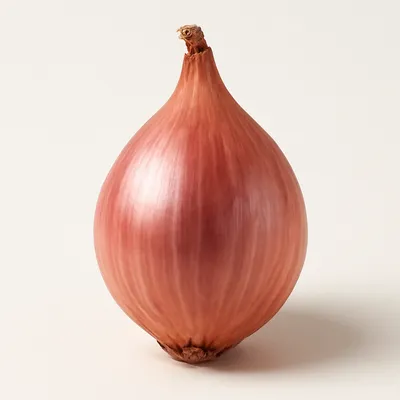
Make the mignonette: mince the shallot finely and steep it in red-wine vinegar with a little cracked pepper.
- 46 min
Holding an oyster cupped-side down in a folded cloth, work an oyster knife into the hinge and twist to pop it open, keeping the liquor in the shell.
Watch outWork the knife into the hinge and twist to pop it, keeping the cup level so the liquor stays in the shell — that briny liquor is half the pleasure.
- 53 min
Slide the blade under the oyster to sever the muscle, leaving the meat loose in the deep half shell.
- 62 min
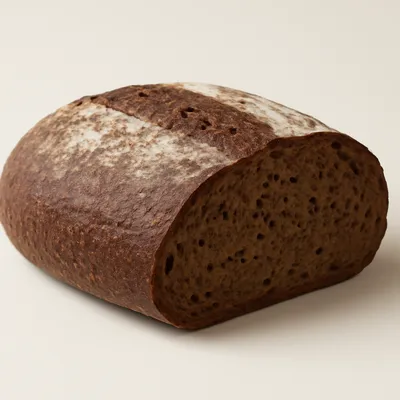
Set the opened oysters on a platter of crushed ice and serve at once with the mignonette, lemon wedges and buttered rye bread.
Archive tool suggestions — not reviewed
These legacy suggestions have not been evidence-reviewed and are not presented as required tools.