Bavette à l'échalote is the quintessential bistro steak: a quick-seared bavette — the flat, loose-grained flank cut — served rare to medium-rare and smothered in softened shallots deglazed with red wine or vinegar and mounted with butter. The bavette is a cheap, intensely beefy cut prized by the French precisely for its flavour over tenderness, and the mound of sweet-sharp shallots is its classic partner. With a heap of frites alongside, it is the workaday plat that fills bistro tables at lunch.






The dish is part of the standard repertoire of the Parisian bistro and brasserie rather than a single chef's creation, and grew from the French butcher's habit of selling the flavourful, lower-priced 'flat' cuts that the Anglo-American trade often overlooked. Bavette — French for 'bib', from the cut's broad flat shape — comes from the abdominal muscle, full of taste but coarse-grained, and in the thrifty, flavour-first tradition of bistro cooking it is paired with the cheap aromatic shallot. The combination of a seared bistro steak with a shallot pan-reduction is long-established French café cooking, eaten across the country but most associated with the Paris bistro.
Cut against the grain, the bavette gives thick, juicy slices, deep red inside and crusted dark outside, with a loose open texture that drinks up the sauce. The taste is forthright, mineral, almost livery beef — bigger than a tenderloin's — and against it the shallots are soft, jammy and sweet, sharpened by the wine or vinegar into a sweet-and-sour foil that cuts the richness. Butter binds it glossy. Frites soak the juices. Sliced with the grain or cooked past medium, the cut turns chewy and dry.
Bavette is a working abdominal muscle: coarse, long fibres with little marbling, so it must be cooked fast and hot and kept rare — gentle slow heat only toughens it, and well-done it dries out. A heavy pan and high heat drive the Maillard reaction for a dark, savoury crust while the centre stays red; the meat then rests so the juices redistribute. Slicing thinly across the grain shortens those long fibres into short, tender bites — the single most important step for any flat cut. The shallots are sweated slowly until their sharp sulphur softens to sweetness, then the fond stuck to the pan is deglazed with wine or vinegar, reduced, and finished with cold butter whisked in to emulsify the sauce to a gloss.
Variations
The deglazing liquid divides cooks: some use red wine for a deeper sauce, others red-wine or sherry vinegar for a sharper, more classic échalote. Bavette d'aloyau (flank) and bavette de flanchet are slightly different cuts sold under the name. The same shallot treatment dresses onglet (hanger) and the larger steaks; with a peppercorn-cream sauce it becomes steak au poivre, with a maître d'hôtel butter a plainer steak-frites. It is a near-twin of onglet à l'échalote, differing only in the cut of beef.
On the Palate
Where Bavette à l'Échalote sits in the French flavor cloud
Ingredients
Serves 2How it's made
6 steps · 25 min active + 5 min waiting
- 15 min
Take the bavette out of the fridge to come to room temperature, and pat it thoroughly dry.
- 212 min
Sweat finely chopped shallots in butter over low heat until soft and sweet, without colouring.
- 38 min
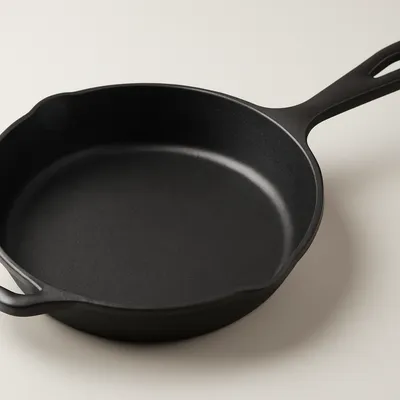
Sear the steak in a very hot pan with a little oil, a few minutes each side, to rare or medium-rare; rest it.
Watch outSear in a screaming-hot pan just to rare or medium-rare — bavette is a working muscle that toughens the moment you take it past pink.
- 44 min
Deglaze the pan with red wine or vinegar, scraping up the fond, and reduce by half.
- 52 min
Whisk in cold butter off the heat to emulsify the shallot sauce to a gloss; season.
Watch outWhisk the cold butter in off the heat until the sauce turns glossy — back on the flame it splits instead of emulsifying.
- 63 min
Slice the rested bavette thinly across the grain and spoon the shallots over, with frites alongside.
Watch outSlice thin across the grain — this is the make-or-break step for any flat cut; cut with the grain and every bite is chewy.
Archive tool suggestions — not reviewed
These legacy suggestions have not been evidence-reviewed and are not presented as required tools.