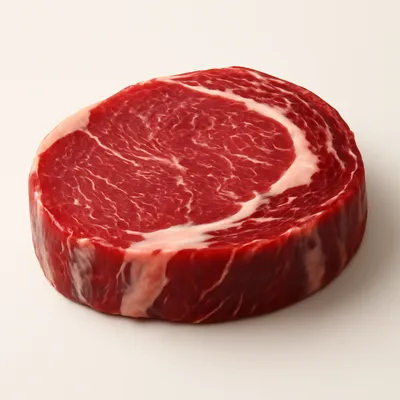
Onglet à l'échalote is the brasserie plat du jour built on the hanger steak — the single muscle hanging from the diaphragm, long known in France as the 'butcher's cut' because butchers were said to keep it for themselves. Deeply flavoured and tender when handled right, it is seared rare, sliced across the grain and served under a heap of softened shallots deglazed with vinegar or red wine. Cheaper than the prime steaks but bigger in taste, it is the classic affordable brasserie main, served with frites.



The dish belongs to the everyday brasserie and bistro repertoire and has no single inventor. Onglet — the hanger, a thick-grained muscle that supports the diaphragm — is a butcher's cut: there is only one per animal, and it figures in the French saying that the butcher keeps it back for his own table, a piece of trade folklore rather than documented history. Because it was little known to the general buyer it stayed cheap, and bistro and brasserie cooks made it a flavour-first plat du jour, classically paired with sweated shallots in the same way as bavette. It is eaten nationwide, with strong associations to the Paris brasserie.
Onglet eats softer than bavette but tastes even bigger — dark, mineral, almost gamey beef, the most strongly flavoured of the everyday cuts. Seared rare, the slices are deep red and loose-grained, slick with butter and the sweet-sharp shallots that balance the meat's intensity. There is a faint liver-and-iron note that lovers of the cut prize and others find too strong. Frites mop the juices. It must be served rare to medium-rare and sliced across the grain: cooked through, the coarse fibres go tough and the flavour turns harsh.
The hanger is barely-worked but very coarse-grained muscle, threaded down the middle by a tough central membrane that must be cut out, leaving two long strips. Like all such cuts it wants fast, fierce heat and a rare finish — its loose fibres seize and toughen if cooked beyond medium-rare. A blazing pan builds a Maillard crust while the inside stays red; resting lets the juices settle. Slicing thinly across the grain is essential, shortening the long coarse fibres so each bite is tender. The shallots are sweated until their pungency turns sweet, the pan deglazed and reduced, and cold butter whisked in to emulsify the sauce.
Variations
As with bavette, cooks split between a vinegar deglaze for the sharp classic échalote and red wine for a rounder sauce; some add a splash of stock or a knob of parsley butter. Onglet is sometimes served simply grilled with maître d'hôtel butter, or in the older bistro style barely seared and almost blue. It is the close twin of bavette à l'échalote, differing only in the cut: onglet is more tender and more intensely flavoured, bavette firmer and broader-grained.
On the Palate
Where Onglet à l'Échalote sits in the French flavor cloud
Ingredients
Serves 2How it's made
6 steps · 25 min active + 5 min waiting
- 16 min
Trim the onglet, cutting away the tough central membrane to leave clean strips, and pat dry.
- 212 min
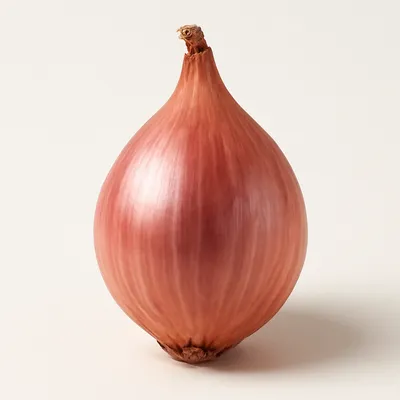
Sweat finely chopped shallots in butter over low heat until soft and sweet, without browning.
- 38 min
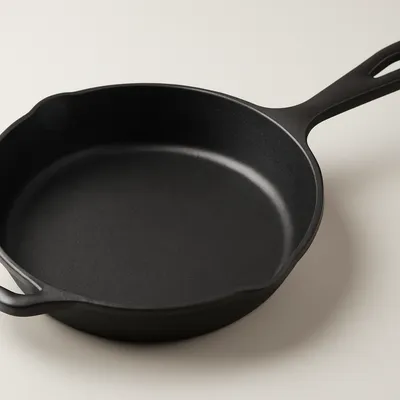
Sear the steak in a smoking-hot pan with a little oil, a few minutes per side, to rare or medium-rare; rest it.
Watch outSear in a smoking-hot pan and pull it at rare to medium-rare — the loose, coarse hanger fibers seize and toughen past medium-rare, so a fierce crust with a red center is the whole point.
- 44 min
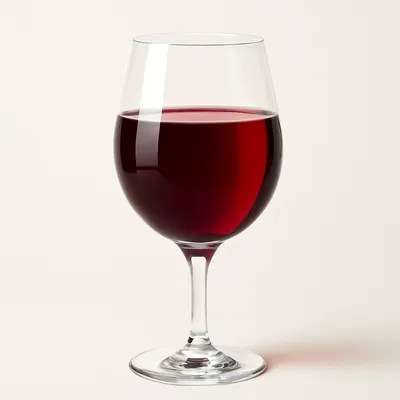
Deglaze the pan with vinegar or red wine, scraping up the fond, and reduce.
- 52 min
Whisk in cold butter off the heat to emulsify the shallot sauce; season.
- 63 min
Slice the rested onglet thinly across the grain, spoon the shallots over, and serve with frites.
Watch outSlice thinly across the grain — cutting against those long coarse fibers shortens them so each bite is tender; slice with the grain and it eats stringy no matter how well cooked.
Archive tool suggestions — not reviewed
These legacy suggestions have not been evidence-reviewed and are not presented as required tools.