
Moules marinières is the pan-French preparation of mussels steamed open in their own liquor with dry white wine, finely chopped shallots, parsley, and butter. The name means "sailor's style" (à la marinière), and the bare classic carries no cream — just shallot sweated in butter, deglazed with white wine, and the mussels covered until they gape open in a few minutes. The cooking liquor becomes the sauce, finished with a knob of butter and a fistful of flat-leaf parsley. It is the base of the brasserie standard moules-frites (mussels with fries), served in a deep pot with an empty bowl for the shells.

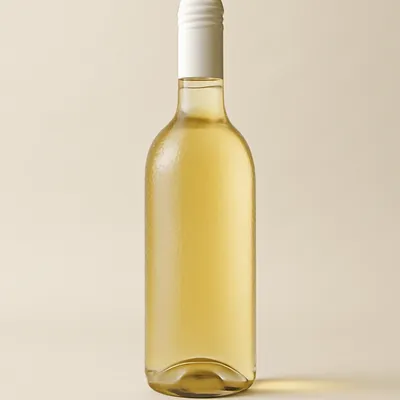
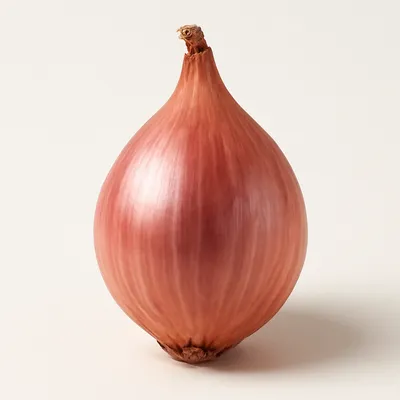



The preparation is documented in 19th-century French cookery as "moules à la marinière," the term marinière meaning "in the manner of sailors/seafarers" — a quick dockside or galley dish requiring only wine, aromatics, and the day's catch. Larousse Gastronomique gives the classic with butter, shallot, dry white wine (Muscadet is the traditional pairing), parsley, and sometimes thyme and bay; cream is a later embellishment, not part of the bare original. The mussel-and-fries serving, moules-frites, is most strongly associated with Belgium (the Liège café Maison Fritz is often cited as serving it from 1875) and the north of France; both countries claim it, and the consensus leans Belgian, with Belgian refugees during the First World War helping spread it. The dish is now a fixture of French brasseries and of northern festivals such as Lille's Braderie, where vendors compete to pile the highest heap of shells.
Good mussels are plump and orange-fleshed, the meat just set and still juicy, slipping cleanly from the shell. The broth is briny and winey with a sweet edge from the shallot, sharpened by parsley and rounded by butter — you drink the last of it with a spoon or sop it with bread or fries. Eat them hot, the moment they open. Overcooked mussels shrink to rubbery little nuggets and bleed their liquor into the pot; any shell that stays shut should be thrown out, not forced.
A mussel holds its two shells shut with an adductor muscle; heat denatures that muscle's proteins, the grip fails, and the shell springs open — the signal that it is cooked. The muscle proteins begin unfolding at modest temperatures (calorimetry on blue mussels shows endothermic transitions around 60–61°C and 69–70°C), so in a covered pot the steam from the wine and the mussels' own liquor opens them in roughly three to four minutes. The conventional endpoint is a short steam just until the shells gape; push past it and the proteins over-contract, squeezing water out so the meat turns rubbery and the liquor thins into the broth. Sweating the shallot in butter first builds a sweet aromatic base, and the brief reduction of the wine concentrates acidity and flavour into the sauce.
Variations
The cream-added version (moules à la crème, often sold as moules marinières crème) stirs crème fraîche into the broth at the end for a richer sauce. Moules à la Normande is the Norman cousin made with dry cider instead of wine, finished with cream and egg yolk. The Belgian style typically adds celery (and sometimes onion and a little flour) and arrives in a deeper covered pot. Moules au curry (with curry powder) and moules au Roquefort (finished with blue cheese) are common brasserie variants, and the whole family is most often served as moules-frites with a side of fries.
On the Palate
Where Moules Marinières sits in the French flavor cloud
Ingredients
Serves 4How it's made
8 steps · 20 min active + 5 min waiting
- 18 min
Scrub the mussels under cold running water and pull off the wiry beard from each. Discard any that are cracked or that stay open when tapped.
Watch outDiscard any mussel that's cracked or stays open when tapped — a live one snaps shut; an open one is dead and unsafe.
- 23 min
Finely chop the shallots and the flat-leaf parsley, keeping a little parsley back for the finish.
- 33 min
Melt half the butter in a large lidded pot over medium heat and sweat the shallots until soft and translucent, without colouring, about 3 minutes.
- 41 min
Turn the heat to high, pour in the dry white wine, and let it boil for a minute to drive off the raw alcohol.
- 54 min
Tip in the mussels, add most of the parsley, clamp on the lid, and steam, shaking the pot once or twice, until the shells gape open, about 3 to 4 minutes.
Watch outSteam just until the shells gape open, about 3 to 4 minutes — the gaping shell is the doneness signal; push past it and the meat shrinks rubbery.
- 61 min
Lift out the mussels into warmed bowls, discarding any that remain shut.
Watch outToss out any that stay clamped shut after steaming — a shell that won't open means that mussel was already dead.
- 71 min
Swirl the remaining cold butter into the broth off the heat to gloss it, taste, and add black pepper (salt is rarely needed).
- 81 min
Pour the broth over the mussels, scatter the reserved parsley, and serve at once with fries or crusty bread.
Archive tool suggestions — not reviewed
These legacy suggestions have not been evidence-reviewed and are not presented as required tools.


