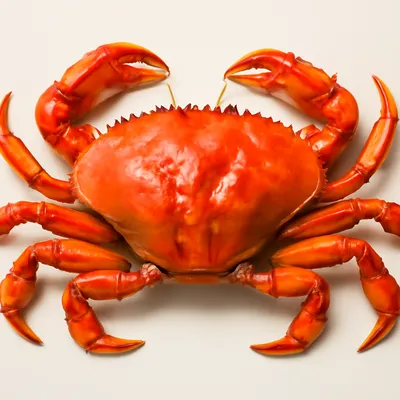
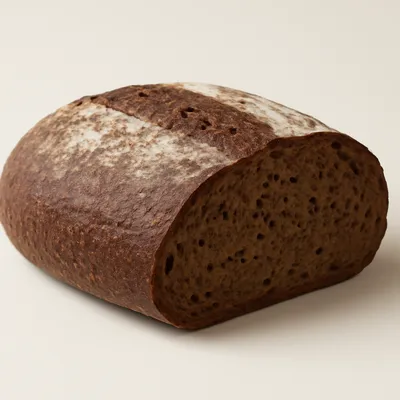
Plateau de fruits de mer is the chilled French shellfish platter, a tiered stand set over crushed ice and built from a mix of raw and boiled seafood. A typical assembly carries raw oysters on the half shell, langoustines, prawns, whelks (bulots), periwinkles (bigorneaux), and a crab, with clams, cockles, or sea urchin added when in season. It is served cold with mignonette sauce, lemon, mayonnaise, and rye bread with butter. Beyond the crustaceans and gastropods, which are boiled and chilled, the dish is not cooked but composed; the work lies in sourcing impeccably fresh shellfish, shucking the live oysters, and arranging the plate. It remains a fixture of French brasseries and oyster bars, eaten with small forks and a pin for the winkles.



The platter grew out of nineteenth-century Parisian dining culture. The expansion of the rail network let live shellfish travel quickly from the Atlantic and Channel coasts to inland markets, and the cold seafood assembly took hold in the brasseries and oyster bars that multiplied in Paris during this period, many of them founded by Alsatian families after 1870. Dedicated raw bars predate the brasserie boom; Au Rocher de Cancale, opened in 1804, was already famous for serving oysters in quantity, and later houses such as Bofinger (1864) helped fix the shellfish platter as a brasserie centerpiece. The exact moment the assembled plateau took its modern form is not documented, so no single inventor or opening date should be credited. Its accompaniments draw on older French practice: mignonette takes its name from mignonnette, a term for coarsely cracked pepper, and described a vinegar-and-pepper sauce in France by the late eighteenth century.
A raw oyster opens with a cold rush of brine and a clean mineral snap, lifted by the sharp vinegar-and-shallot bite of mignonette. Langoustines and prawns are sweet, cold, and faintly saline, their flesh firmed by the ice. Whelks and periwinkles, teased out with a pin, are dense and chewy with a deep-sea savor; crab meat is sweet and soft against them. Lemon adds acid, mayonnaise a rich coolness, and the rye bread and butter ground the whole plate. Everything is eaten near ice-cold, so the flavors read crisp and oceanic rather than heavy.
This is an assembly, not a cooked dish, so its success rests on freshness and temperature rather than heat. Oysters are served live and raw, shucked to order; an oyster should clamp shut or retract when touched, the test that it is alive and safe. Crustaceans and gastropods are boiled, classically in a court-bouillon (an aromatic poaching liquid of water, salt, and vegetables), then chilled; the heat sets their proteins while the cold tightens the flesh. The crushed-ice bed is the working part of the plate: it holds the shellfish at roughly 0 to 4 degrees Celsius, the range that slows bacterial growth and keeps raw seafood safe, and the cold firms the texture. Mignonette is a cold seasoning, not a cooked sauce; the minced shallot is left to steep in vinegar so its harshness softens and pickles, and the acid brightens the oyster's brine without masking it.
Variations
Composition follows what the coast and season supply rather than a fixed recipe, and platters are often named for their region or scale. Breton and Norman versions lean on Atlantic and Channel shellfish, with oysters from beds such as Cancale or Marennes-Oléron. A plateau royal is the largest grade, typically built around a lobster or spider crab. A more modest assiette de fruits de mer is a single plate rather than a tiered stand, and an oyster-only assiette de huîtres drops the crustaceans entirely. Sea urchins, clams, cockles, and cooked or raw scallops are added regionally, and a whole boiled lobster often crowns the more lavish builds.
On the Palate
Where Plateau de Fruits de Mer sits in the French flavor cloud
Ingredients
Serves 4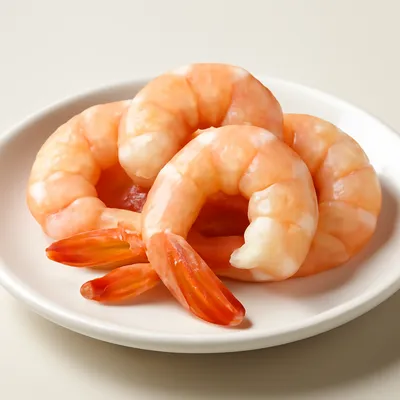

How it's made
8 steps · 45 min active + 15 min waiting
- 110 min
Prepare a court-bouillon by simmering water with salt, a sliced onion or shallot, and aromatics; bring it to a rolling boil.
- 212 min
Boil the crustaceans and gastropods to order: langoustines and prawns for a few minutes, whelks and periwinkles longer, the crab longest, then lift each out when just cooked.
Watch outBoil each shellfish only to just-cooked, then pull it — langoustines minutes, crab longest; overcooked, the cold flesh turns rubbery.
- 38 min
Cool everything quickly in iced water to stop the cooking, then drain and refrigerate until cold.
- 48 min
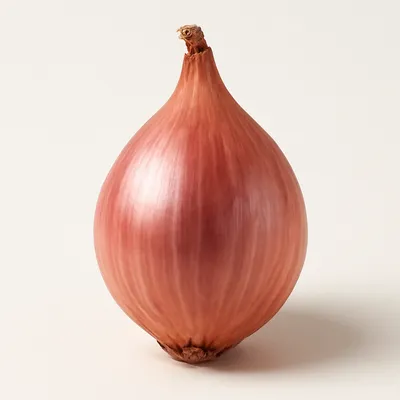
Make the mignonette: finely mince the shallot, combine with red wine vinegar and coarsely cracked pepper, and chill for at least an hour so the shallot mellows.
Watch outShuck the oysters level so the liquor stays in the shell — that briny liquor is half the flavor, and an oyster should clamp shut when touched.
- 510 min
Shuck the oysters to order, keeping them level so the liquor stays in the shell, and set them on the half shell.
- 64 min
Pile a deep bed of crushed ice over the platter or stand to hold the shellfish cold at the table.
Watch outPile a deep bed of crushed ice to hold everything at 0-4C — warm shellfish on a raw platter is where it goes wrong.
- 75 min
Arrange the oysters, crab, langoustines, prawns, whelks, and periwinkles over the ice, with the largest pieces at the center.
- 83 min
Garnish with lemon wedges and serve at once with the mignonette, mayonnaise, and rye bread with butter, plus small forks and a pin for the winkles.
Archive tool suggestions — not reviewed
These legacy suggestions have not been evidence-reviewed and are not presented as required tools.