
Coppa de Corse is the cured pork shoulder-and-neck of Corsica, the fatty, marbled member of the island's charcuterie trio. The muscle from the top of the shoulder and neck of the nustrale pig is salted, peppered, cased, and dry-aged for months until it slices into rounds laced with rivers of soft fat through deep-red lean. Despite sharing a name with the Italian coppa, the Corsican version is its own protected product, defined by the native breed and the chestnut-fed pigs.
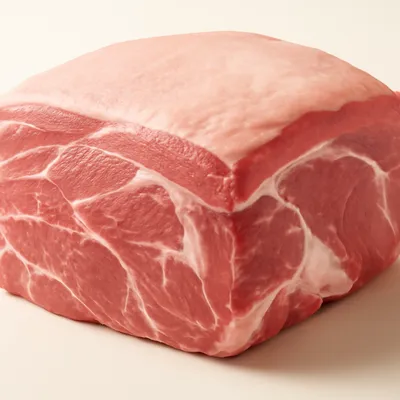


Coppa is the third of the protected Corsican cured meats, made — like prisuttu and lonzu — from the free-ranging nustrale pig and cured in the cold months. It takes the well-marbled neck-and-shoulder muscle, which makes it the fattiest and most unctuous of the trio. The name and cut overlap with the Italian coppa of Emilia and Piacenza, a legacy of Corsica's centuries under Genoese rule; but the Corsican coppa is recognized as a distinct protected-origin product in its own right, made from a different, native breed on a chestnut-and-acorn diet, so it should not be confused with its Italian namesake.
Coppa slices show a marbled mosaic — soft fat woven through dark, sweet lean — and on the tongue the fat melts first, carrying the meat's richness. It is the most luscious of the three Corsican cures: deeply savory, faintly sweet from the chestnut fat, the pepper lingering at the edge. Where the lonzu is lean and the ham concentrated, the coppa is round and fatty and yielding. It is eaten thin, raw, often the favorite of the board.
The generous marbling makes coppa the most forgiving of the three to cure: the fat slows moisture loss, protecting the lean from drying out and keeping the texture supple through long aging. Salt draws out water and lowers water activity to preserve the meat, while over months of drying enzymes break down proteins and the abundant fat into the rich, aromatic compounds that define a fatty cured meat. Casing keeps the loose shoulder muscle compact and even. The high fat content is exactly why coppa eats softer and richer than the lean lonzu.
Variations
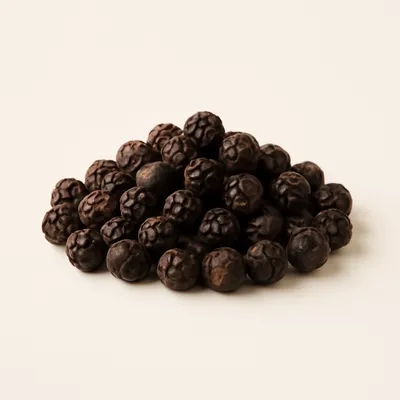
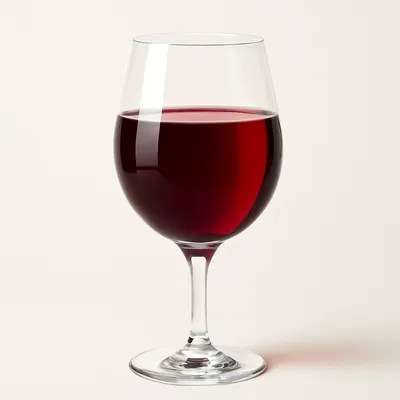
Seasoning is typically salt and black pepper, sometimes with wine or maquis herbs in the rub; aging length tunes how dry and firm it becomes. It is always served alongside its trio-mates, prisuttu and lonzu, on a Corsican charcuterie board. The crucial distinction is from the Italian coppa: same name, related technique, but a different protected breed, diet, and origin — a point Corsican producers are careful to make.
On the Palate
Where Coppa de Corse sits in the French flavor cloud
Ingredients
Serves 10How it's made
6 steps · 1 day
- 120 min
Separate the neck-and-shoulder muscle and trim it into an even cylinder.
- 22160 min
Rub all over with salt and cure for one to two days.
Watch outRub salt all over and cure a day or two — the salt draws out water and lowers the water activity that preserves the meat through the long age.
- 310 min
Brush off the salt and coat heavily with black pepper.
- 410 min
Slide the muscle into a wide natural casing to compact the shape.
- 5172800 min
Hang in a cool, ventilated cellar and dry-age for several months.
Watch outHang in a cool, ventilated cellar for months — steady slow drying is what breaks the fat and protein down into the rich cured aroma; too warm or damp and it spoils.
- 65 min
Slice thin and serve raw with the rest of the Corsican charcuterie.
Archive tool suggestions — not reviewed
These legacy suggestions have not been evidence-reviewed and are not presented as required tools.



