


Named after a Cairo butcher surnamed al-Hawawshi, who is said to have pressed leftover seasoned mince into bread to sell as a quick lunch — the dish took his family name. Accounts of who exactly and when vary: the popular version dates it to around 1971, though an old butchery receipt is cited to push its origin back to the 1930s. However it began, it spread within a generation as oven-bakery street food across Egypt, and the Sharqia province of the Nile Delta — where one long-running shop turned it into a destination dish — became especially associated with it. Outside Egypt it is sometimes confused with arayes, a Lebanese version that is grilled rather than oven-baked and uses different spicing.
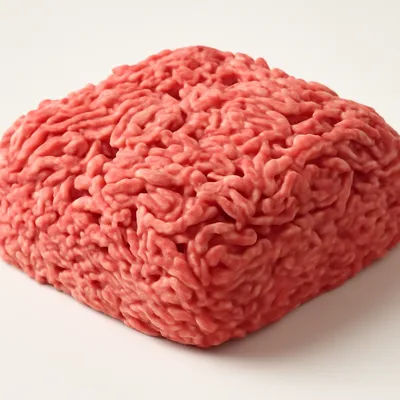
Cairo, 1971 — butcher Ahmed al-Hawawshi pressed seasoned mince into baladi bread in al-Hussein and the dish carries his name. Meat goes in raw so juices run down through baking; pre-browning kills the whole grease-trap mechanism.
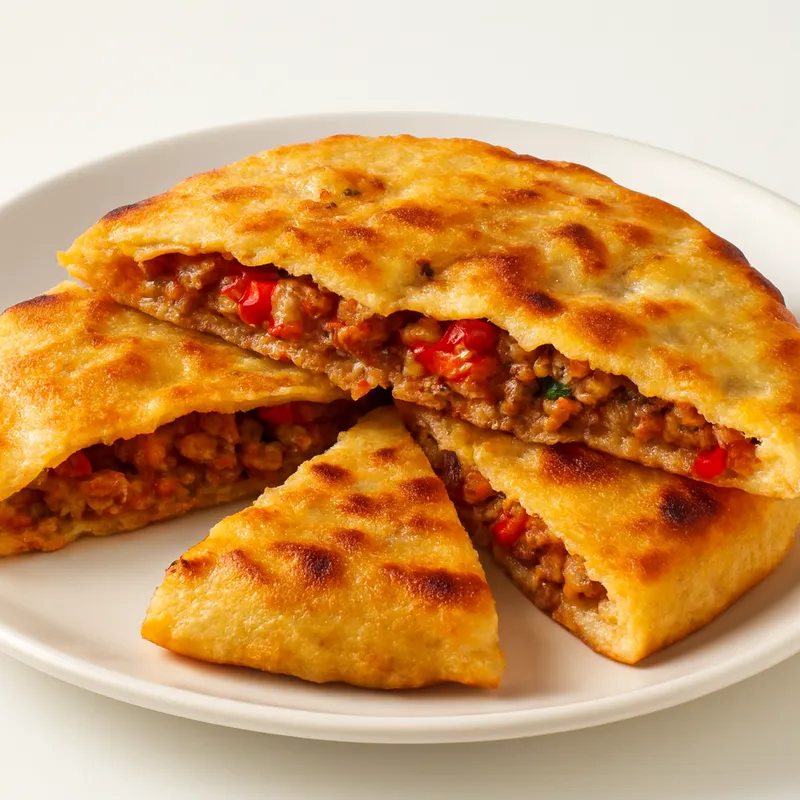
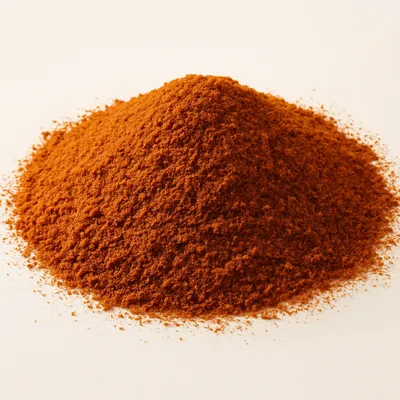
A round of baladi bread split halfway open, stuffed with raw spiced minced beef (or lamb) mixed with finely chopped onion, green pepper, chili, parsley, and Egyptian baharat, then pressed flat and baked in a wood-fired oven until the bread crisps and the meat juice soaks the lower half. Eaten torn open, often with tahini or pickled vegetables. The lower bread is meant to stay slightly soaked; bone-dry hawawshi means too little fat in the meat.
The bread does double duty as wrapper and grease trap. Egyptian baladi has a hollow puff and dense crumb; meat juices and rendered fat run downward through baking, soaking the lower disc into something between bread and pâté. Using pita or thin flatbread fails — the juices leak out. The meat must go in raw, not pre-cooked, so the rendering happens inside the bread; pre-browning kills the entire mechanism.
Variations
Khan el-Khalili street ovens (the original, beef-heavy); Alexandria coastal version adds shrimp paste; Lebanese arayes is the grilled cousin (no oven, sumac and pine-nut spicing); modern Cairo chains like Aboul-Sid serve a thinner griddled version aimed at sit-down diners.
On the Palate
Where Hawawshi sits in the Egyptian flavor cloud
Pack the mince in raw and use dense baladi-style bread, because the whole point is fat rendering downward through baking to soak the lower crust into a bread-pâté; pre-browning the meat or using thin pita kills it.
Ingredients

How it's made
3 steps · 30 min
- 15 min
Preheat your oven to 200°C (390°F). Finely chop the onion and mix it with minced meat, spices, and pepper until well combined.
Watch outMince and finely chopped onion should feel evenly blended and slightly tacky, not wet or loose.
- 25 min
Lay out the bread and gently open each pita to create a pocket. Stuff the meat mixture evenly into each pita, pressing lightly to spread the filling.
- 320 min
Place the stuffed pitas on a baking sheet. Brush the tops with a little oil to encourage browning. Bake in the preheated oven until the bread is crispy and the meat is cooked through, about 20 minutes.
Watch outPull it when the crust is crisp and browned and no pink juice runs from a poke in the center, around 20 minutes.
Archive tool suggestions — not reviewed
These legacy suggestions have not been evidence-reviewed and are not presented as required tools.