





Paris-Brest was created in 1910 by pastry chef Louis Durand at his shop in Maisons-Laffitte, a town on the route of the Paris-Brest-Paris bicycle race (Paris to Brest in Brittany and back, 1200km). The race had been running since 1891. Durand made the cake at the request of the race organizer Pierre Giffard, and shaped the choux as a wheel. The Durand family shop continues to make the cake to its original recipe. Some Parisian pâtisseries make a small individual version called petit Paris-Brest.
1910, Louis Durand's shop in Maisons-Laffitte, on the route of the 1200km Paris-Brest-Paris cycling race (running since 1891). Wheel-shaped on purpose. Mousseline cream — butter creamed first, cold pastry cream added spoon by spoon — is the difference; mismatched temperatures break the emulsion.
First: a thin shell of crisp choux dusted with sugar and almonds; under it a moist eggy interior with give. Then a deep pipe of mousseline that tastes like roasted hazelnuts dissolved in butter — the praline reads as nutty caramel before the sweet. Cream is fluffy yet dense, room temperature ideal. The ring should snap, not bend; if the choux is leathery, it was underbaked. A whole slice is roughly 7cm tall and impossible to eat without leaning forward.
Mousseline cream is the difference between a great Paris-Brest and a mediocre one. It is butter-creamed-with-pastry-cream, NOT pastry-cream-with-melted-butter. The butter must be soft (~20°C) and beaten to a pale fluff first; the cold pastry cream is then added spoon by spoon at the same temperature. Mismatched temperatures cause emulsion break — the cream looks curdled and weeps fat. Praline paste is added last because nut oils break weak emulsions. A correctly made mousseline holds piped peaks at room temperature for hours.
Variations
Maison Durand's original recipe still made in Maisons-Laffitte; Philippe Conticini's individual version at La Pâtisserie des Rêves (split open, piped from a bag); Cyril Lignac's hazelnut-Piedmont version; Pierre Hermé's praline-rose Infiniment edition.
On the Palate
Where Paris-Brest sits in the French flavor cloud
Ingredients
Serves 8


How it's made
6 steps · 1 hour 15 min active + 1 hour 45 min waiting
- 125 min
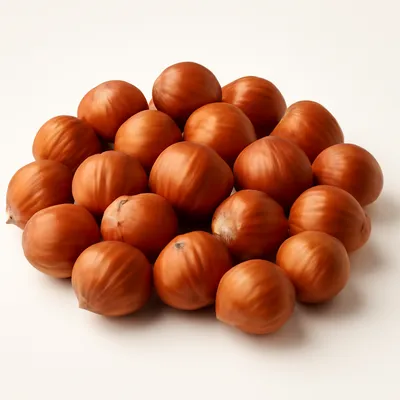
Make praline paste: roast 200g blanched hazelnuts at 160°C for 12 minutes. Cook 200g sugar + 50ml water to 175°C deep amber. Pour over hot nuts, cool fully on parchment, then blend in a food processor 8-10 minutes until liquid and oily. Reserve.
Watch outCook the caramel to a deep amber before pouring over the nuts — pale caramel tastes flat, but push past amber and it turns acrid; then blend a full 8–10 minutes until it runs oily and loose.
- 215 min
Pâte à choux: boil 125ml water + 125ml milk + 100g butter + 5g salt. Off heat, beat in 150g flour. Return to heat 90 seconds to dry. Off heat, beat in 4 eggs one by one. Pipe a 20cm-diameter ring on parchment using a 12mm star tip — pipe two concentric rings touching, plus a third on top straddling them. Brush with egg yolk, sprinkle flaked almonds.
Watch outMake sure the mixture is dry enough before adding eggs to ensure proper puffing.
- 340 min
Bake at 180°C for 35-40 minutes — DO NOT open the oven for the first 25. The ring should be deep gold and feel dry-light. Cool completely on a rack — at least 1 hour. Slice horizontally with a serrated knife.
Watch outDo not open the oven for the first 25 minutes — the choux is still setting its structure, and a draft of cool air collapses the ring flat.
- 412 min
Pastry cream: warm 500ml milk with split vanilla pod. Whisk 4 yolks + 100g sugar + 40g cornflour, temper with milk, return to pan, cook 90 seconds bubbling thick. Off heat, whisk in 50g cold butter. Press cling film on the surface, chill 1 hour.
Watch outAvoid overheating the mixture to prevent curdling of the egg yolks.
- 510 min
Mousseline: beat 250g soft butter to a pale fluff (5 minutes). Add the cold pastry cream a spoon at a time — both must be the same temperature, around 20°C, or it splits. Beat in 200g praline paste. The cream becomes pale-coffee and pipeable.
Watch outButter and cold pastry cream must both be around 20°C when you combine them — mismatched temperatures split the mousseline into a curdled, weeping mess.
- 68 min
Pipe mousseline onto the bottom half of the ring in tall rosettes with a star tip. Crown with the top half. Dust with icing sugar. Chill 30 minutes — never freeze. Serve cold but not fridge-stiff.
Watch outChilling too long can cause the mousseline to become too firm to pipe.
Archive tool suggestions — not reviewed
These legacy suggestions have not been evidence-reviewed and are not presented as required tools.


