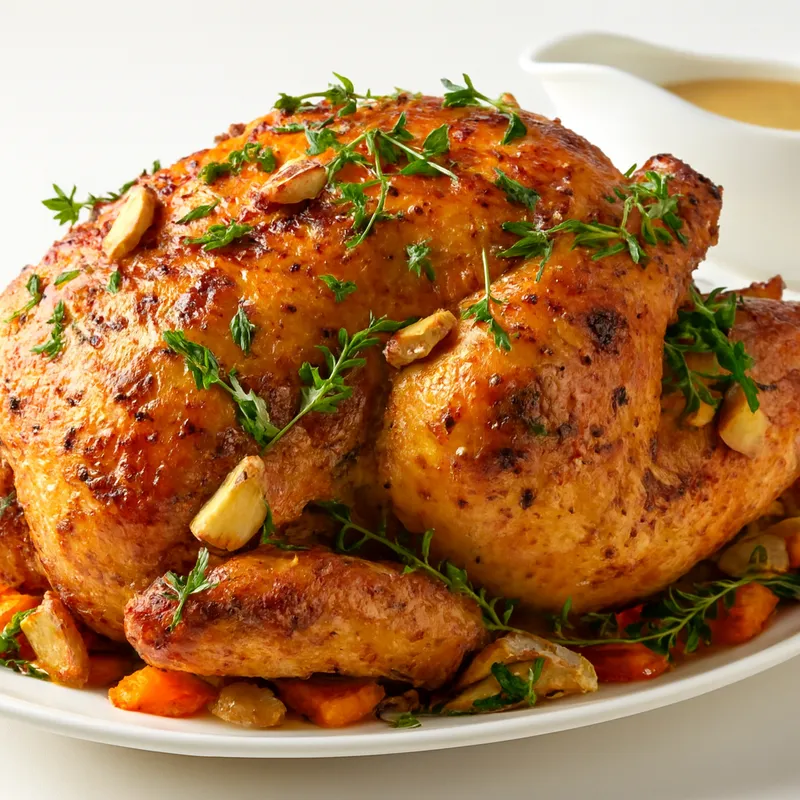
The French-style macaroni gratin: short pasta baked in a Mornay sauce of bechamel folded with Gruyere, topped with more cheese and breadcrumbs, and browned under dry heat until the surface forms a crisp golden crust. The dish that lent its technique to the better-known Anglo-American macaroni and cheese.

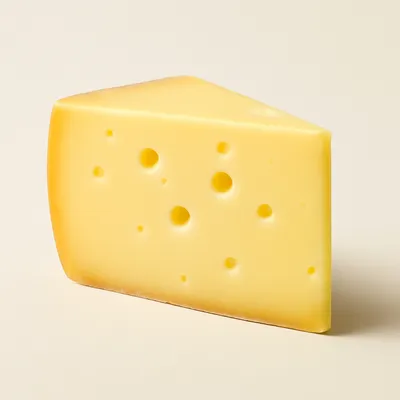


Macaroni baked with cheese is a dish whose origins trace back to cheese-and-pasta casseroles of medieval England rather than to France. The earliest documented baked recipe with a bechamel-style sauce appears in Elizabeth Raffald's 1769 The Experienced English Housekeeper, mixing a bechamel with macaroni, sprinkling with Parmesan, and baking it golden. The French contribution to the dish is the technique that defines the gratin form: the Mornay sauce — a bechamel with cheese folded in, classically Gruyere — and the practice of finishing under dry heat to form a browned crust. The word gratin, from the French gratter, to scrape, names the technique of topping a dish with breadcrumbs, cheese, or egg and browning it. The French-style macaroni gratin, distinct from the Anglo-American version in its Mornay base and its Gruyere, is the version that entered the French culinary canon.
A spoonful of French-style macaroni gratin brings up tender pasta bound in a smooth, cheese-thickened sauce, with the top layer browned into a crisp, blistered crust of melted Gruyere and toasted breadcrumbs. The interior is soft and creamy, with the nutty sweetness of Gruyere; the crust supplies the contrasting crunch and the Maillard-browned savor. The contrast of the soft interior against the crisp top crust is the architecture of the gratin.
Gratin de macaroni rests on two mechanisms: the starch-thickened emulsion of the Mornay sauce, and the surface browning of the gratin. The bechamel base is a roux of butter and flour cooked to gelatinize the starch, then whisked with milk; folded-in Gruyere melts into the sauce as it cools, producing Mornay — a smooth emulsion that coats each piece of pasta and prevents it from drying out in the oven. The gratin step is a Maillard browning reaction on the surface proteins and cheeses under dry heat: the top is dusted with cheese and breadcrumbs and placed under high, dry heat, so the surface browns and crisps while the interior stays moist. A shallow ovenproof dish is used to maximize the surface area that browns, since the crust is the point.
Variations
The Anglo-American macaroni and cheese uses a cheddar-based sauce; the French gratin uses Gruyere or Comte in a Mornay. A breadcrumb-and-cheese topping is standard on the French version.
On the Palate
Where Gratin de Macaroni sits in the French flavor cloud
Ingredients
Serves 6
How it's made
6 steps · 25 min
- 110 min
Cook the macaroni in well-salted water until just shy of al dente, then drain.
Watch outCook the macaroni just shy of al dente — it keeps cooking in the oven, so fully soft now turns to mush under the sauce.
- 28 min
Make a bechamel: cook butter and flour to a roux, whisk in milk, and simmer until thickened.
- 35 min
Off the heat, stir in grated Gruyere to make a Mornay sauce; season with salt, pepper, and nutmeg.
Watch outStir the Gruyère in off the heat — melt it into a boiling sauce and the cheese can turn oily and stringy instead of smooth.
- 45 min
Fold the cooked pasta into the sauce and pour into a shallow buttered gratin dish.
- 53 min
Top with more grated Gruyere and a sprinkle of breadcrumbs.
- 620 min
Bake in a hot oven until the surface is browned and bubbling, and rest a few minutes before serving.
Watch outBake until the top is browned and bubbling — that crust is the gratin's whole appeal; pull it pale and it tastes flat.
Archive tool suggestions — not reviewed
These legacy suggestions have not been evidence-reviewed and are not presented as required tools.