A coarse-grained sausage of the Nord, distinctive among andouillettes for being made principally from veal mesentery rather than pork intestines, stuffed into a beef casing and sold either raw or pre-cooked. Grilled, flamed with juniper, or simmered, it is the signature charcuterie of Cambrai.



Andouillette de Cambrai is the signature charcuterie specialty of Cambrai, in the Hauts-de-France region. No specific founding year or inventor is documented for the Cambrai variety; it is a traditional regional product. What distinguishes it from the better-known andouillettes of Troyes and Lyon is its composition: the canonical Cambrai version is made principally from fraise de veau — the veal mesentery, sometimes called the veal ruffle — wrapped in a beef casing, which gives it a texture and taste distinct from the pork-intestine andouillettes farther south. The andouillette tradition more broadly is judged by the Association Amicale des Amateurs d'Andouillette Authentique — the AAAAA, founded at the end of the 1960s — whose tasting jury awards a seal to makers of authentically made andouillette. The Cambrai variety itself does not hold an AOC.
A grilled andouillette de Cambrai is a coarse, tightly packed sausage with a snappy beef casing and an interior that is tender, faintly chewy, and unmistakably tripe-scented — the veal mesentery gives a softer, cleaner flavor than the pork-intestine versions. Commonly finished with a flambé of juniper spirit and served with a sharp mustard; the pungency is the point, and is balanced rather than hidden.
The andouillette is a coarse-ground sausage in which the offal — for Cambrai, principally veal mesentery — remains in distinct pieces rather than being emulsified smooth. The mesentery is cleaned, cut, seasoned, and stuffed into a beef casing, then cooked by simmering or grilling. The character of the sausage comes directly from the offal: the mesentery carries the clean, slightly lactic aroma of veal tripe, with none of the heavier porcine notes of southern andouillettes. Casing integrity matters — the beef casing must hold through cooking without splitting — so the sausage is more often gently simmered or grilled than fried hard, which would shrink and burst it. The accompanying juniper flambé and sharp mustard cut the richness with ethanol, acid, and heat.
Variations
The better-known andouillette de Troyes and andouillette de Lyon use pork intestines and stomach; the Cambrai veal-mesentery version is the distinctive northern variant. AAAAA grading recognizes authenticity across all varieties.
On the Palate
Where Andouillette de Cambrai sits in the French flavor cloud
Ingredients
Serves 4
How it's made
6 steps · 1 hour
- 140 min
Clean the veal mesentery thoroughly and cut it into strips; chill everything cold.
Watch outClean the mesentery thoroughly and keep everything ice-cold — warm offal smears and won't chop into the clean, distinct pieces this coarse sausage needs.
- 215 min
Season with salt, pepper, and spices; mix to a coarse, distinct-pieced farce.
- 320 min
Stuff the farce into a beef casing, twisting off individual sausages.
- 430 min
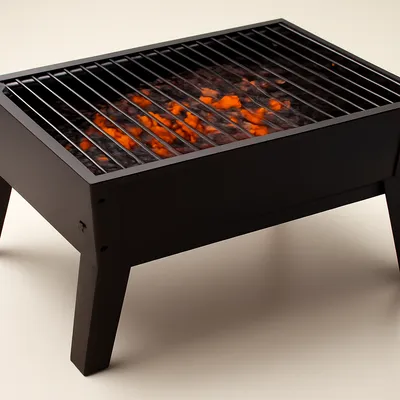
Poach the sausages gently in seasoned water until just firm, or grill slowly over moderate coals.
Watch outPoach gently until just firm, never at a boil — a hard boil bursts the beef casing and the sausage splits open.
- 55 min
Finish under a juniper-spirit flambé if desired, and rest a few minutes.
- 65 min
Serve hot with a sharp Dijon mustard and crusty bread.
Archive tool suggestions — not reviewed
These legacy suggestions have not been evidence-reviewed and are not presented as required tools.