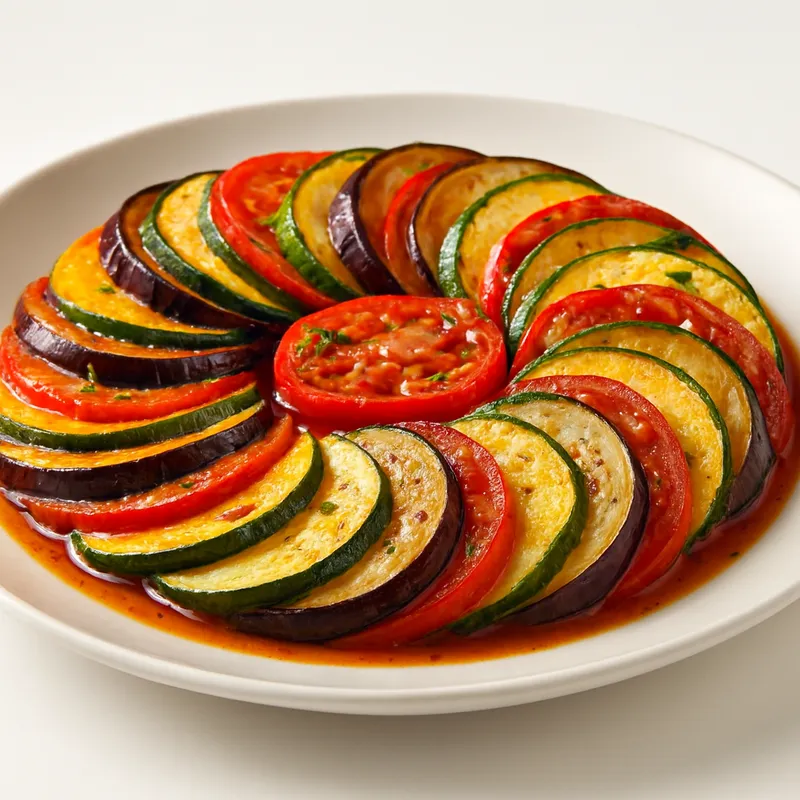
A classical cold-buffet piece of the garde manger: a whole boned bird — classically chicken — spread with a forcemeat of its own meat augmented with pork, pistachios, and truffle, rolled in its own skin, poached gently in gelatin-rich stock, and served cold coated in clear aspic. The cross-section, sliced, shows the spiral of forcemeat within.
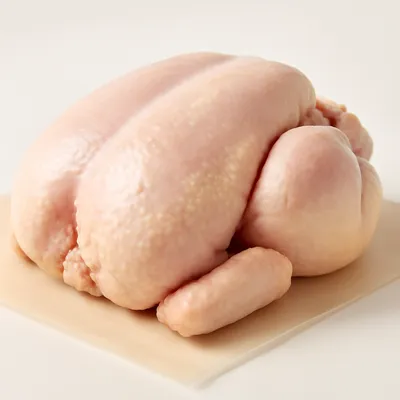


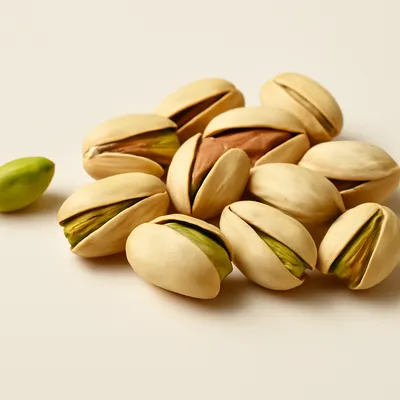
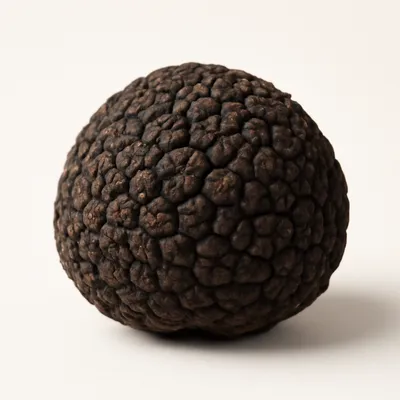

Galantine belongs to the cold-kitchen tradition of the French garde manger and has deep medieval ancestry. The term itself is contested in origin: it may derive from the Old French word for jelly, or from the Latin明胶的拉丁词, and early spellings such as garentine and galatina do not clearly connect to a single root. A recipe called galentine — using the same word — appears in late-medieval European cookery, where the term was ambiguous, denoting at various times a bread-thickened sauce, a jelly, or a cold dish; the meaning narrowed over the centuries to the modern boned-poultry-in-aspic. The technique on which it rests — long, slow poaching to extract collagen from bones and skin, which sets into aspic on cooling — reaches back through Taillevent's Le Viandier, dated to around 1300, the foundational text of the medieval French kitchen.
A slice of galantine shows a neat spiral of forcemeat within the surrounding poultry, set in a trembling coat of clear aspic. The meat is firm but sliceable, the forcemeat flecked with green pistachio and dark truffle; the aspic is cold, clean-tasting, and faintly savory, melting on the tongue to release the flavor of the poaching stock. A grainy or cloudy aspic indicates the stock was boiled rather than simmered and not properly clarified.
Galantine rests on the conversion of collagen to gelatin. The bird is boned whole through the back, spread flat, and lined with a forcemeat — a country-style emulsion of pork, veal, or the bird's own leg meat, bound with eggs or panade and studded with pistachios and truffle. It is rolled tight in its own skin, wrapped in cloth, and poached long and gentle in a stock rich in bones, wings, and feet — sources of collagen. Prolonged heating below the boil dissolves the collagen into gelatin, which stays dissolved in the hot stock but, on chilling, sets into a tender gel — coating the galantine and suspending its filling. The same mechanism, taken further and clarified, produces the aspic that glazes the finished slice. The distinction from a ballotine is one of service: a galantine is classically poached and served cold in aspic, while a ballotine may be roasted or braised and served hot.
Variations
Galantines are made from chicken, duck, pheasant, rabbit, and fish; the forcemeat and garnish vary by house and season, but the boned-whole form, the self-skin casing, and the cold aspic service define the dish.
On the Palate
Where Galantine sits in the French flavor cloud
Ingredients
Serves 12

How it's made
6 steps · 1 hour 30 min
- 140 min
Bone a whole chicken cleanly through the back, keeping the skin intact, and lay it flat skin-down.
Watch outBone the bird cleanly without piercing the skin — a torn skin lets the forcemeat bulge out during the long poach.
- 225 min
Prepare a forcemeat of pork, veal, or leg meat, bound with egg, flecked with pistachios, truffle, and herbs.
- 315 min
Spread the forcemeat over the bird, roll it tight in its own skin, and tie or wrap in cloth to hold the shape.
- 460 min
Poach gently in a well-flavored stock of bones, wings, and aromatics, well below a boil, to an internal temperature near seventy degrees.
Watch outPoach well below a boil to about seventy degrees — a rolling boil bursts the roll and squeezes the forcemeat dry.
- 530 min
Lift out, press lightly under a weight, and chill.
- 630 min
Reduce and clarify the poaching stock to a clear aspic, coat the chilled galantine, and slice cold once set.
Watch outReduce and clarify the stock to a clear aspic — cloudy stock sets murky and dulls the glossy coating.
Archive tool suggestions — not reviewed
These legacy suggestions have not been evidence-reviewed and are not presented as required tools.