
Galantine de volaille is a classic garde-manger showpiece of the Parisian cold kitchen: a whole bird is boned out through the back so the skin stays in one sheet, then spread with a seasoned forcemeat — usually a fine pork-and-veal farce studded with pistachios, diced truffle, and sometimes tongue or ham. The skin is rolled tight around the filling, bound in a cloth into an even cylinder, and gently poached in a rich stock rather than roasted. It is cooled, pressed under a light weight, and chilled overnight, then unwrapped, trimmed, and glazed cold in aspic or coated in a chaud-froid sauce before being sliced into rounds. Served cold as a starter, the cut face reveals a mosaic of pale forcemeat flecked with green pistachio and black truffle.
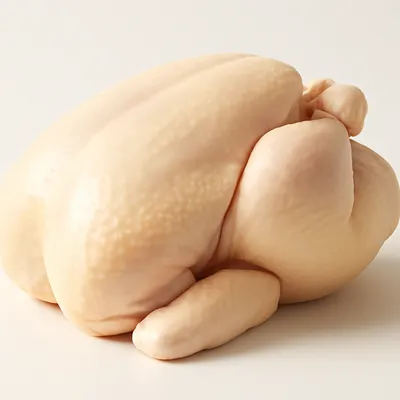


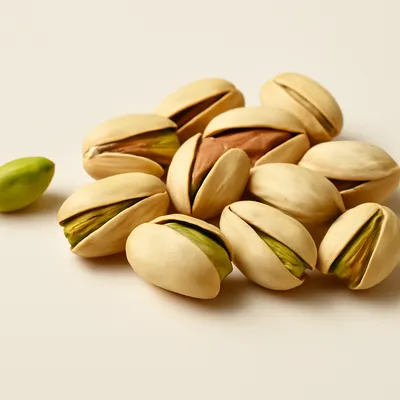
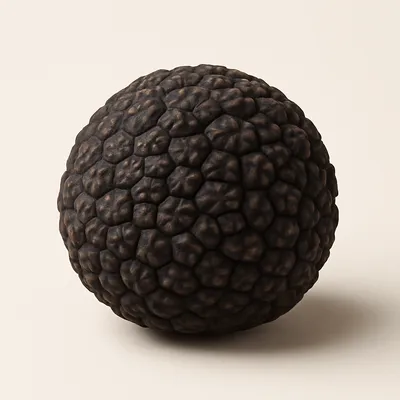

The word galantine descends from Old French galatine/galentine, traced to the Latin gelata, "frozen" or "jellied" (the same root as gelatin), which fits the finished dish set cold in its own jelly. In Middle English from the 14th century, "galantine" first meant not a dish but a spiced, bread-thickened sauce served with fish and poultry; the sense of a boned, stuffed cold meat is recorded later. As a technique it took shape in classical French cookery — La Varenne used the term for a boned, stuffed bird in the 17th century, and François Massialot gave full recipes for boned stuffed poultry around 1691 — before Auguste Escoffier codified the cold, aspic-glazed form in Le Guide Culinaire (1903) and Larousse Gastronomique later fixed it in the canon. A long-repeated claim attributes the dish to the cook of the marquis de Brancas, but this is unverified and is best treated as legend.
Served cold, a good slice is firm enough to hold its round shape on the plate yet yields cleanly to the knife, never rubbery or dry. The forcemeat eats smooth and close-grained, faintly springy, the pistachios giving small bursts of sweetness and the truffle a dark, earthy perfume threaded through the mild poultry. A thin, glossy collar of aspic frames the slice, cool and just-savory, melting on the tongue. A poor galantine is grey and crumbly with the fat broken out, or set in a cloudy, over-stiff jelly; a fine one is moist, evenly seasoned, and glistens at the cut.
The forcemeat is a meat emulsion: lean meat, fat, and seasoning are ground and worked cold so the salt-solubilized proteins bind water and fat into a stable paste, often steadied with a panade or egg so it sets sliceable rather than crumbly. The bird is poached, not boiled — held at a bare simmer around 75-80°C — because violent heat would shrink the proteins, squeeze out the fat, and leave the roll dry and grainy. Poaching slowly in stock also melts the collagen from skin and bones into gelatin, enriching the liquor; clarified and reduced, that same gelatin-rich stock becomes the aspic that sets the cold glaze. Pressing under a light weight while it cools closes any gaps so the slices hold together, and thorough chilling firms the fat and gelatin so the galantine carves into clean, glossy rounds.
Variations
The key contrast is the ballotine: built the same way — boned poultry rolled around a forcemeat — but served hot, often braised and napped with a sauce, where the galantine is always poached, pressed, and served cold in aspic. Beyond chicken, the form extends to galantine de canard (duck) and to game birds, and the farce is varied with foie gras, ham, or pork tongue alongside the classic pistachio-and-truffle studding. For the most formal presentation the cold roll is finished in chaud-froid, a velouté- or béchamel-based sauce enriched with gelatin so it sets to a smooth, pale coating, then mirror-glazed with clear aspic. The same garde-manger logic produces the pâté en croûte and the terrine, kin to the galantine within the cold-kitchen repertoire.
On the Palate
Where Galantine de Volaille sits in the French flavor cloud
Ingredients
Serves 8

How it's made
9 steps · 1 hour 30 min
- 130 min
Bone the bird through the back, keeping the skin in one unbroken sheet; reserve the bones and trim for the stock.
- 220 min
Make the forcemeat: grind chilled pork and veal with egg and seasoning to a smooth, cold paste, then fold in pistachios and diced truffle.
Watch outGrind the forcemeat cold and work it until sticky — the salt-solubilized protein is what binds fat and water into a smooth paste that slices instead of crumbling.
- 310 min
Lay the skin flat, spread the forcemeat evenly over it, and add a center line of garnish if using tongue or ham.
- 410 min
Roll the skin tightly around the filling into an even cylinder and wrap firmly in a cloth, tying both ends.
- 590 min
Lower the roll into a rich poultry stock made from the bones and poach at a bare simmer, around 75-80°C, until cooked through, about 75-90 minutes.
Watch outPoach at a bare simmer around seventy-five to eighty degrees, never a boil — violent heat shrinks the proteins, squeezes out the fat, and dries the roll grainy.
- 6720 min
Cool the galantine in its liquor, then lift it out, press under a light weight, and chill overnight.
- 740 min
Clarify and reduce the poaching stock to a clear aspic and chill it to a barely-set jelly.
Watch outReduce and clarify the poaching stock to a clear jelly that's barely set — this gelatin-rich aspic is what glazes and holds the sliced galantine.
- 815 min
Unwrap the chilled roll, trim the ends, and brush or coat it cold with aspic (or set it in chaud-froid).
- 95 min
Slice into neat rounds and serve cold.
Archive tool suggestions — not reviewed
These legacy suggestions have not been evidence-reviewed and are not presented as required tools.


