Kükenragout is the grand ceremonial ragout of Bremen, the centrepiece of the traditional Bremer Hochzeitsessen (wedding feast) and old guild and senate banquets. Poached young chicken is pulled into pieces and bound in a pale, fine cream-and-egg sauce together with a whole assembly of delicate garnishes: white asparagus, veal forcemeat dumplings (Klößchen), peas or morels, and — the luxurious signature — freshwater crayfish tails and small shrimp. It is a rich, mild, pale-coloured dish of festive abundance, the very picture of the prosperous Hanseatic merchant table. Served warm in a deep dish, often with rice or puff-pastry shells.

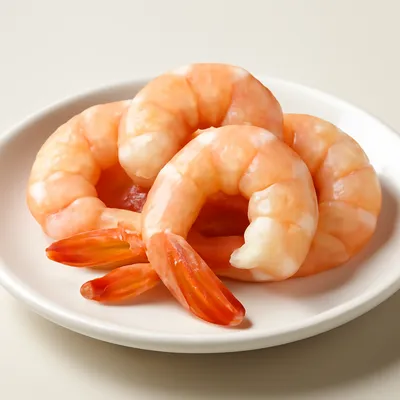



The dish is documented as part of Bremen's bourgeois festive cookery, tied above all to the Bremer Hochzeitsessen — the formal multi-course wedding dinner of the old merchant families — and to the banquets of the Hanseatic city's guilds and Senate. Its abundance of costly ingredients (asparagus, crayfish, veal, morels) made it a deliberate display of Hanseatic wealth in a port city grown rich on trade. The crayfish that defined the classic version came from the local rivers and ponds of the surrounding marshland; as native crayfish became scarce, shrimp and imported crayfish took their place. The ragout sits in the same north-German family as Hamburg's Stubenküken and the wider tradition of fine cream ragouts (the Ragout fin), reflecting French influence on the 18th- and 19th-century German upper-class table.
The sauce is the experience: pale ivory, velvety and barely thickened, mild and gently tangy from a finish of egg yolk and a little lemon, never heavy or floury. Through it run soft shreds of poached chicken, tender little veal dumplings, the clean grassy snap of white asparagus tips, and the sweet, briny bite of crayfish tails and shrimp. Everything is delicate and pale; the seasoning is restrained so the sweetness of the shellfish and the asparagus carries. It eats as a luxurious, comforting fricassee — soft textures, mild flavours, a faint richness from cream and butter held in check by acidity.
The defining technique is the velouté-into-liaison sauce: a pale roux of butter and flour is loosened with the chicken poaching stock to a smooth velouté, then enriched and bound off the heat with a liaison of egg yolk and cream. Because egg yolk curdles above roughly 80°C, the liaison must be tempered with hot sauce and the pan kept below a simmer once it goes in — boiling would scramble it and break the silkiness. Everything is cooked separately and gently: the chicken poached, not boiled hard, so it stays moist; the asparagus and dumplings simmered just to done; the crayfish and shrimp added only at the very end to warm through, since they toughen instantly with overcooking. A squeeze of lemon both seasons and helps stabilise the emulsion.
Variations
Recipes range from the full festive version — crayfish, morels, asparagus, veal dumplings, sometimes a splash of white wine or Madeira and puff-pastry shells (Pastetchen) to hold it — down to simpler households using only chicken, asparagus and shrimp. With native crayfish now rare, many cooks use shrimp alone or imported crayfish tails. The dish is closely related to the German Ragout fin and to chicken fricassee (Hühnerfrikassee), which is essentially its everyday descendant without the luxury shellfish. It is traditionally served over rice or in vol-au-vent cases.
On the Palate
Where Bremer Kükenragout sits in the German flavor cloud
Ingredients
Serves 6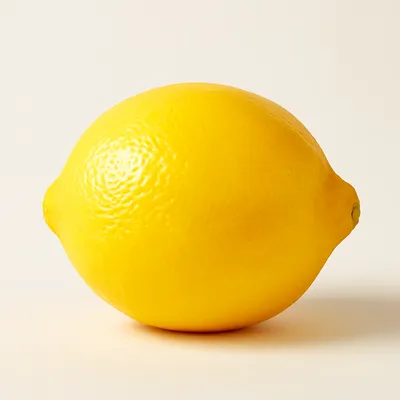
How it's made
6 steps · 1 hour 30 min active + 30 min waiting
- 135 min
Poach the young chicken gently in salted water with onion, bay and peppercorns until just cooked; lift out, reserve the stock, and pull the meat into bite-sized pieces.
Watch outPoach the young chicken gently, never at a hard boil — a bare simmer keeps it moist and tender; a rolling boil toughens the meat and clouds your stock.
- 220 min
Make veal forcemeat dumplings: mix minced veal with a little egg, soaked bread and seasoning, and poach small dumplings in the stock until they float; set aside.
- 312 min
Simmer peeled white asparagus in the stock until just tender; lift out and reserve.
- 410 min
Make a pale roux with butter and flour, whisk in the strained hot chicken stock, and simmer to a smooth velouté.
- 510 min
Off the heat, temper a liaison of egg yolks and cream with a little hot sauce, stir it back in, and warm gently without boiling; season with salt and lemon.
Watch outTemper the egg-yolk-and-cream liaison with a little hot sauce, then keep the pan below a simmer once it's in — yolk curdles past about eighty degrees, so let it boil and the silky sauce scrambles into grains.
- 68 min
Fold in the chicken, asparagus, dumplings, and finally the crayfish tails and shrimp; warm through just to heat the shellfish and serve over rice or in pastry shells.
Watch outFold the crayfish and shrimp in at the very end and warm them just through — they need only seconds; simmer them and they seize up tough and rubbery.
Archive tool suggestions — not reviewed
These legacy suggestions have not been evidence-reviewed and are not presented as required tools.



