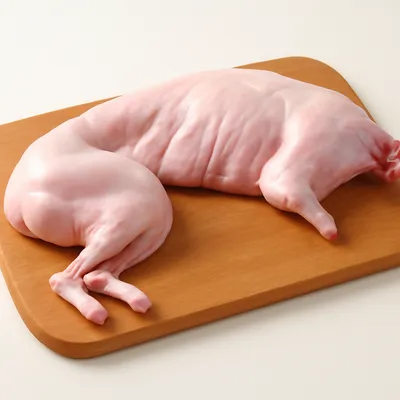



Peasant conserving tradition of the Monferrato and Langhe hills, where oil-sealing poached rabbit extended its shelf life through the pre-refrigeration summer. A possible Lenten stratagem is documented by 19th-century chronicles from the Avigliana area, where friars reportedly passed oil-preserved rabbit as tuna to circumvent dietary restrictions. Gastronome Giovanni Goria popularized the recipe in 20th-century Piedmontese culinary literature, recording that rabbit meat absorbs oil and becomes tender as tuna. The classic version uses the Grigio di Carmagnola rabbit — a breed with fine bone structure and superior muscle mass from the Turin province — which was nearly extinct by the 1950s, then revived by the University of Turin and designated a Slow Food Presidio.
Silken cold rabbit, its grain dissolved by days of oil infusion, yielding like good conserved tuna against the palate; the garlic and sage perfume the fat without overpowering, leaving a clean, lingering savor.
Long poaching at 85–90 °C denatures rabbit's lean myofibrillar proteins evenly, preventing the rubbery overcooking that high heat causes. Post-boning rest in olive oil triggers lipid absorption into the now-open muscle fibers: the fat infiltrates the porous, denatured protein matrix over 48–72 hours, replacing lost intramuscular moisture and creating a juicy, yielding texture analogous to tuna confit. Salt draws residual proteins outward, re-coating each shred with a thin savory pellicle as the oil sets.
Variations
Some versions add preserved peppercorns and rosemary; a Val Tanaro variant uses veal instead of rabbit. Served on crostini, alongside pickled vegetables, or over dressed arugula. Sealed in sterilized jars, the conserve keeps for up to 5–6 months.
On the Palate
Where Tonno di Coniglio sits in the Italian flavor cloud
Ingredients
Serves 6
How it's made
7 steps · 30 min
- 160 min
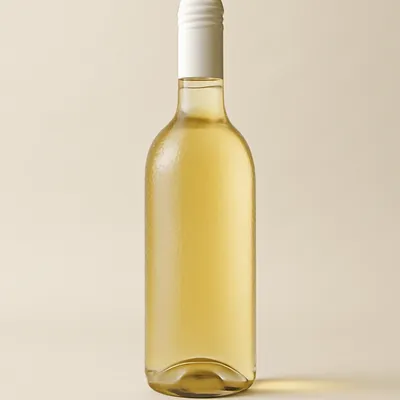
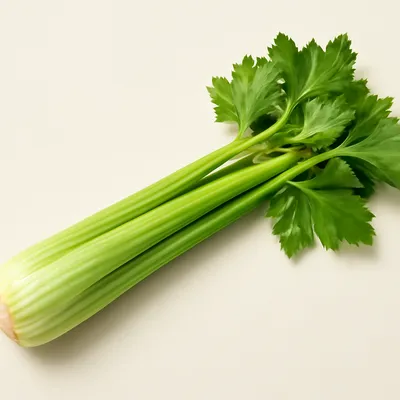
Rinse and joint a 1.5 kg rabbit; simmer in lightly salted water with carrot, celery, onion, bay and a splash of white wine at 85–90 °C for 60 minutes until fully cooked through.
Watch outPoach the rabbit at a bare 85-90°C, never a boil — gentle heat cooks the lean meat evenly and tender; a hard boil turns it rubbery and stringy.
- 220 min
Remove the rabbit; allow to cool until handleable. Strip all meat from the bones, discarding skin and cartilage; tear into rough 3–4 cm shreds.
- 35 min
Season the shredded meat with fine salt, cracked black pepper and a pinch of red chilli flakes; toss to combine.
- 410 min
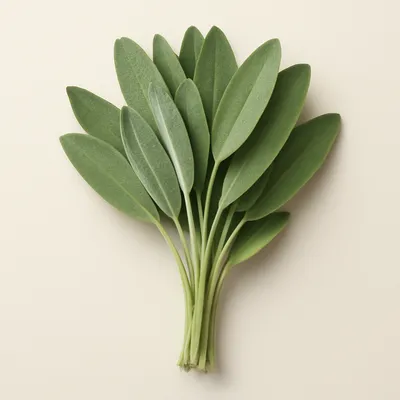
Sterilise 2–3 glass jars (500 ml each). Layer rabbit shreds in each jar, alternating with halved garlic cloves, fresh sage leaves and whole bay leaves.
- 55 min
Pour high-quality extra virgin olive oil over the layers to submerge completely, pressing the meat down gently and tapping the jar to release air pockets.
Watch outPour the oil over to fully submerge the meat, pressing out air pockets — the shreds only turn silky and tuna-like if they sit completely under oil for days.
- 64320 min
Seal jars and refrigerate for at least 48 hours (72 hours for optimal texture), turning once at the 24-hour mark to redistribute oil.
- 710 min
To serve: lift rabbit from oil with a slotted spoon; allow to reach room temperature. Arrange on toasted bread or dressed arugula.
Archive tool suggestions — not reviewed
These legacy suggestions have not been evidence-reviewed and are not presented as required tools.



