A celebration charcuterie showpiece: a savory forcemeat of pork, poultry, or game, often studded with pistachios and truffle, baked inside a hand-built pastry crust, then filled through a vent hole with jellied stock that sets to a clear aspic. Today the subject of elite chef competitions.


Pâté en croûte — pâté in a crust — has a long and contested history. The dish is medieval in ancestry, and the crust was originally a preservation vessel rather than something to eat: a sturdy pastry shell kept the meat filling moist and protected from air. Sources variously trace proto-forms to Roman antiquity, to the Middle Ages as a staple of the lordly table in eastern France, to commercial sale by the thirteenth century, and to the Ain region in the seventeenth century, where the modern recognizable form took shape. Of these, the seventeenth-century Ain dating is the most commonly cited for the modern dish. Today the pâté en croûte is both a charcuterie classic and the subject of the Championnat de France du Pâté Croûte, a national competition that has elevated it to a technical showpiece.
A slice through the finished pâté en croûte shows a clean cross-section: a golden pastry wall, a tight layer of forcemeat, decorative inlays of pistachio or truffle, and a thin, clear band of aspic where the jellied stock has filled the gap between filling and crust. The crust should be flaky and short, the forcemeat savory and sliceable, and the aspic clear and trembling, not cloudy or broken. A weeping or soggy bottom crust signals that the assembly was underbaked or overfilled.
The pâté en croûte brings together two structures. The pastry crust is built as a sealed cooking vessel: a strong shortcrust or flaky dough lined into a mold, with a chimney or vent hole left open, baked simultaneously with the forcemeat filling — strong enough to hold the meat and later the liquid aspic, yet still eatable. After baking and cooling, a gelatin-rich stock — drawn from collagen-heavy bones and connective tissue simmered long and slow — is poured warm through the chimney into the gap between crust and filling; on chilling it gels into aspic, filling voids, sealing the loaf, and allowing it to slice cleanly. This is the same collagen-to-gelatin conversion that sets a galantine: prolonged heating dissolves collagen into gelatin, which sets into a tender gel below its gelation temperature and melts again above it.
Variations
Regional and competition versions differ in their fillings — pork, poultry, game, sweetbreads — and in decorative dough work on the crust; the aspic channel and the chimney vent are the constants that define the form.
On the Palate
Where Pate en Croute sits in the French flavor cloud
Ingredients
Serves 12

How it's made
6 steps · 1 hour 30 min
- 130 min
Make a strong flaky pastry dough, rest it chilled, and roll most of it to line a terrine or pâté mold.
- 220 min
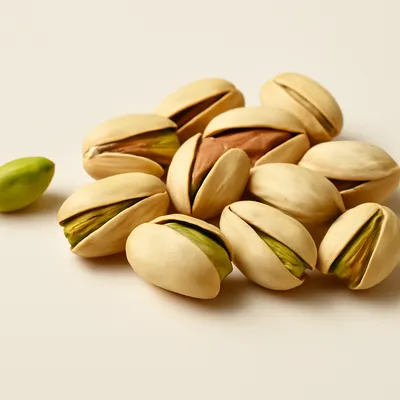
Prepare a forcemeat of pork, poultry, or game, flecked with pistachios, truffle, or herbs.
- 320 min
Layer the forcemeat into the lined mold, decorate the top if desired, and seal on a pastry lid with a chimney vent.
- 450 min
Bake until the crust is deep golden and the filling reaches temperature, covering with foil if it darkens too fast.
Watch outBake until the crust is deep golden and the filling reaches temperature — tent it with foil if the top darkens too fast, so the middle catches up.
- 560 min
Simmer collagen-rich bones long and slow to make a clear gelatin-rich stock; strain and keep warm.
- 620 min
Pour the warm stock through the chimney to fill every void; chill overnight until the aspic sets, then slice cold.
Watch outPour the warm stock through the chimney until every void is filled, then chill overnight — the aspic must set fully or the slices fall apart.
Archive tool suggestions — not reviewed
These legacy suggestions have not been evidence-reviewed and are not presented as required tools.