




Normandy's coastline, particularly the Mont-Saint-Michel bay, has farmed bouchot mussels (rope-grown on wooden posts in the tidal flats) since the 13th century — a technique introduced by an Irishman named Patrick Walton after a 1235 shipwreck, per local lore. The cider-cream version is 19th-century Norman cooking applying the region's two non-mussel staples (apple cider in place of wine, cream from the dairy belt) to the same pot most French coasts make some version of.
Mont-Saint-Michel bay has farmed bouchot mussels on wooden posts since the 13th century — Patrick Walton's 1235 shipwreck per local lore. Dry cider replaces white wine; sweet cider tips the broth into dessert.
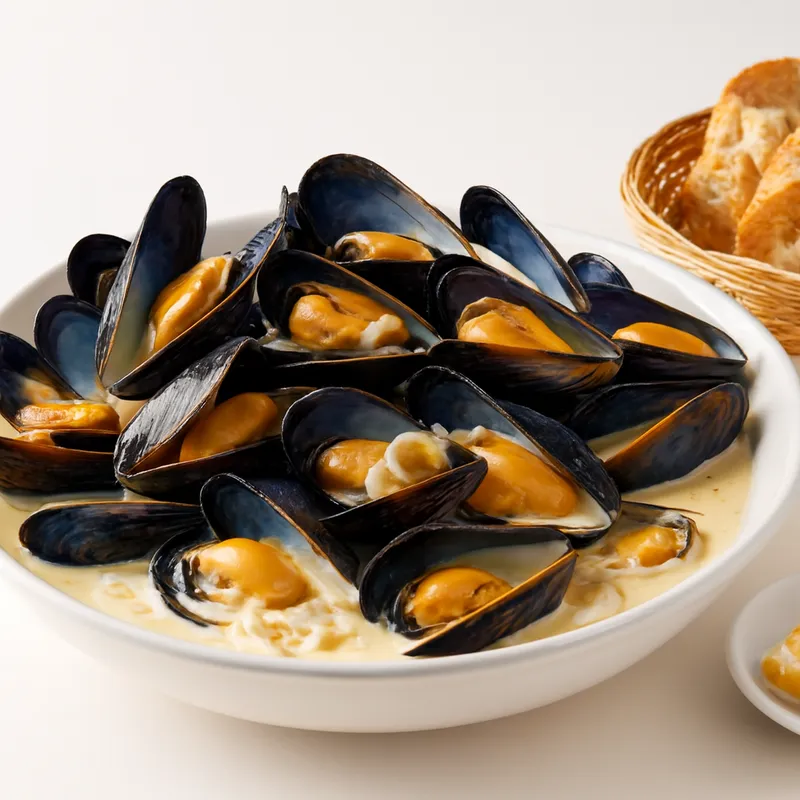
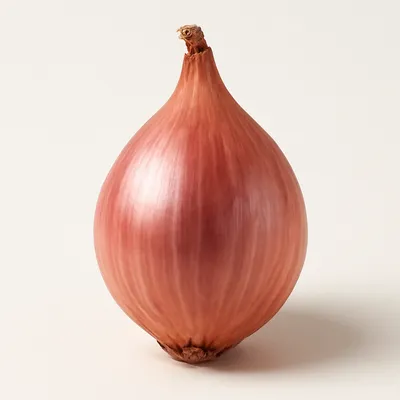
An open pot of mussels, shells black and steaming, in a pale ivory broth — cream, dry cider, shallot, butter, parsley. Eat one, then use an empty shell as tweezers for the next. The cider's acidity cuts the cream so the broth tastes sharp and dairy at once. Cull the mussels before cooking, not after: any that gape open and won't re-close when tapped are already dead and should be discarded. The old rule that a mussel still shut after cooking must be thrown out is now considered unreliable — a closed shell post-cook is not in itself a sign the mussel was bad.
Cider, not white wine, is the regional substitution that defines the dish — and dry cider specifically. Sweet cider tips the broth into dessert territory; brut or sec keeps the acid that cream needs to balance against. Mussels open in 3–4 minutes once steam fills the pot; cooking longer turns them rubbery without improving flavor, since the shellfish liquor has already escaped into the broth.
Variations
Moules marinière is the Picard wine version; moules au Roquefort is a Massif Central detour with blue cheese; the Belgian moules-frites school adds celery and runs the bowl deeper.
On the Palate
Where Moules à la Normande sits in the French flavor cloud
Use dry cider, not sweet, and pull the mussels the moment they gape — 3-4 minutes — because the cider's acid is what keeps the cream from going flat and heat past that point turns the meat to rubber.
Ingredients




How it's made
5 steps · 23 min
- 15 min
Scrub the mussels under cold running water, discarding any that remain open after a firm tap. Melt butter in a deep pot over medium heat until it foams, then add finely chopped shallots and sauté until translucent and fragrant.
- 27 min
Pour in the cider and bring to a gentle simmer, then add the mussels. Cover the pot and cook until the mussels open wide, releasing their briny aroma.
Watch outListen for the shells clacking open under the lid; wide-gaping shells mean done, tight-shut ones you toss.
- 35 min
Remove the mussels with a slotted spoon to a warm dish. Increase the heat slightly and reduce the cider by half, intensifying its apple notes.
Watch outReduce until the cider coats the spoon and smells sharply of apple, not raw alcohol.
- 43 min
Whisk together the heavy cream and egg yolk in a bowl. Remove the pot from heat and slowly whisk in the cream mixture, creating a velvety sauce.
Watch outOff the heat, the sauce should thicken to a glossy ribbon the instant the yolk goes in — never let it bubble.
- 53 min
Return the mussels to the pot, tossing them gently in the creamy sauce. Sprinkle with chopped parsley and freshly ground black pepper before serving.
Archive tool suggestions — not reviewed
These legacy suggestions have not been evidence-reviewed and are not presented as required tools.


