A refined Belgian coastal classic from Ostend: North Sea sole poached in white wine and fish stock, then napped with a velvety cream sauce enriched with grey shrimp and mussels—a dish that speaks of the Flemish coast's seafood abundance.
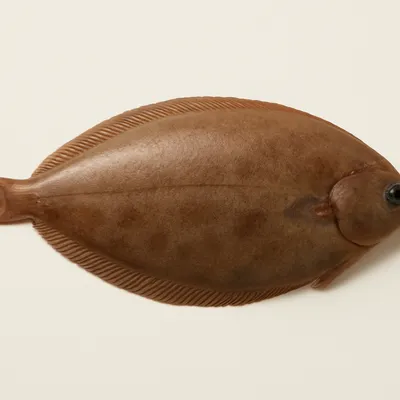
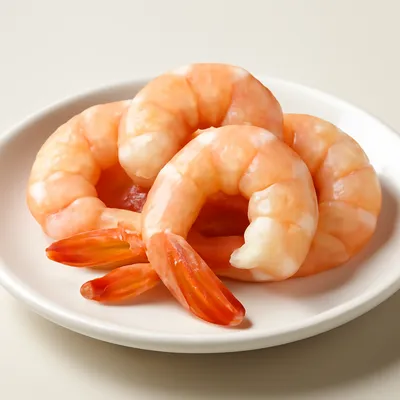




Ostend has been Belgium's premier fishing port since at least the 17th century, supplying Brussels and the interior with North Sea sole, mussels, and grey shrimp. The 'à l'ostendaise' preparation crystallised in the late 19th and early 20th centuries as Belgian haute cuisine codified regional coastal ingredients into restaurant showpieces. King Leopold II's development of Ostend as a fashionable seaside resort drove demand for refined fish cookery at the grand hotels along the seafront promenade; the city's chefs formalised the three-element combination of sole, grey shrimp, and mussels into a named preparation that has anchored Belgian coastal menus ever since.
Silky sole melts against the tongue; the cream sauce, enriched with the sweet brine of grey shrimp and mussels, coats each bite in a velvety richness that is luxurious but never heavy.
Poaching the sole at around 70°C in wine and fish stock cooks the delicate, collagen-thin flesh without tightening it. Once reduced, the poaching liquid concentrates savory glutamates from the stock while the wine's alcohol evaporates and its acids brighten the base. Heavy cream reduces and thickens through evaporation and mild protein concentration. Cold butter worked in off the heat disperses as an emulsion, giving the finished sauce a glossy, velvety coat. Grey shrimp and mussels are added at the last moment to preserve their fresh brine and texture.
Variations
Some preparations add mushrooms, celery, and leek to the sauce for added depth. Modern versions occasionally thicken with a butter-flour roux rather than relying on cream reduction alone. A more luxurious variant substitutes lobster and truffle for the shrimp and mussels. The dish belongs to the same continuum as the simpler Sole meunière—a Belgian hierarchy of sole preparations ranging from restrained to elaborate.
On the Palate
Where Sole à l'ostendaise sits in the Belgian flavor cloud
Ingredients
Serves 4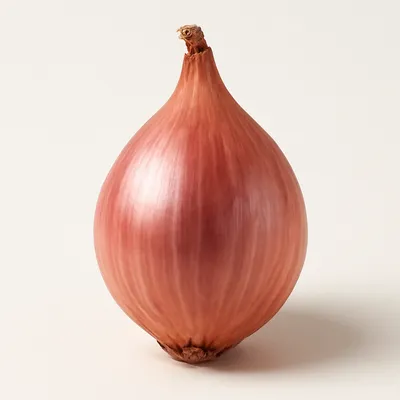


How it's made
7 steps · 40 min active + 20 min waiting
- 18 min
Scrub and debeard mussels; steam in white wine with a minced shallot and bay leaf over high heat for 3–4 minutes until just opened; strain and reserve the broth; remove mussel meat from shells.
- 25 min
Peel grey shrimp; pass the mussel broth through a fine-meshed sieve lined with muslin to remove any sand.
- 320 min
Combine strained mussel broth with more white wine, fish trimmings, and a bouquet garni; simmer 20 minutes; strain to make the poaching stock.
- 412 min
Season sole fillets with salt and white pepper; lay in a buttered baking dish; pour poaching stock and a splash of white wine over to barely cover; poach in a 160°C oven for 12 minutes.
Watch outPoach the sole gently at oven heat just until it turns opaque, about 12 minutes — this thin flesh tightens and toughens the second it overcooks.
- 53 min
Carefully lift sole fillets to warm serving plates; pour the poaching liquid into a wide saucepan.
- 610 min
Boil the poaching liquid until reduced by half; add heavy cream and continue reducing until the sauce coats a spoon; season, then whisk in cold butter off the heat until glossy.
Watch outWhisk the cold butter in off the heat until glossy — put it back on the flame and the emulsion breaks into oily sauce.
- 75 min
Add shrimp and mussel meat to the sauce to warm through briefly; spoon over the sole and scatter with minced parsley.
Watch outAdd the shrimp and mussels only to warm through at the very end — cook them longer and they go rubbery and lose their fresh brine.
Archive tool suggestions — not reviewed
These legacy suggestions have not been evidence-reviewed and are not presented as required tools.



