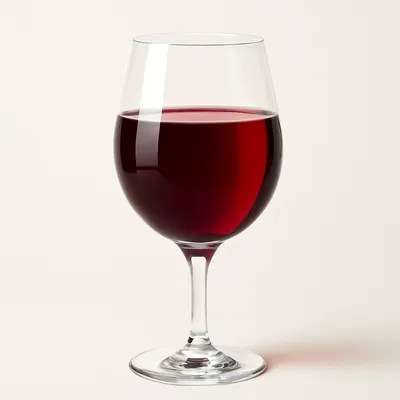
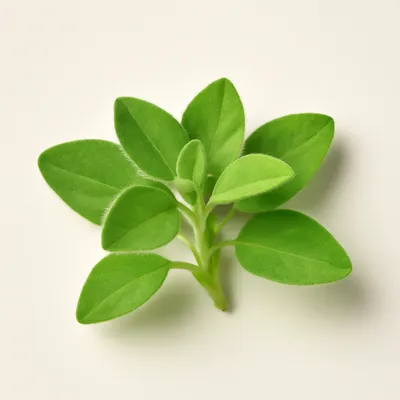
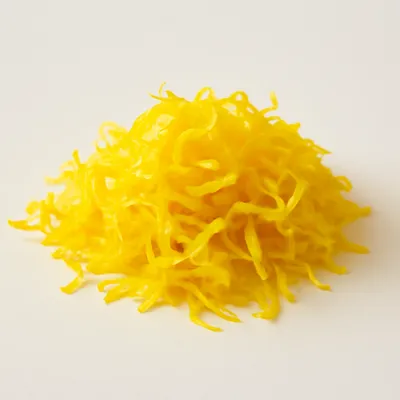
South Tyrol's beloved beef goulash, the clearest taste of the province's Austro-Hungarian inheritance. Diced beef from the shin, shoulder or neck is stewed over a great mass of onions with sweet paprika, tomato concentrate, red wine and a little vinegar, then simmered for up to three hours until the meat melts and the sauce turns thick and glossy. What sets the Sudtirolean version apart is its local seasoning of caraway, marjoram, lemon zest and garlic, and it is served not with noodles but with speck dumplings, polenta or boiled potatoes.



Goulash descends from the gulyas of the Hungarian plains, where cattle-herders cooked beef in cauldrons over open fire while droving grey Podolica oxen to the markets of Moravia, Vienna and Nuremberg; gulya means a herd of cattle. Paprika, a New World pepper, entered the dish over the eighteenth century, and by its end goulash had climbed from the herdsmen's camps to bourgeois tables and was spreading across the Habsburg lands. In German-speaking South Tyrol, which lay within Austria-Hungary until 1919, the soup thickened into a stew and took on Tyrolean seasoning; it remains the province's definitive festive main.
The beef gives up all resistance, breaking into moist strands under a fork, and the sauce is dark, russet-red and glossy from the melted onions and paprika oil. It tastes deeply savoury and gently sweet, with the warm, faintly aniseed note of caraway and a bright lift of lemon zest cutting the richness.
The cuts used — shin, shoulder and neck — are dense with collagen; three hours of gentle simmering hydrolyses that connective tissue into gelatin, which is what makes the meat fall apart and gives the sauce its body. There is no roux: the near-equal weight of onions is the thickener, their cells breaking down and releasing pectin and sugars that also brown for sweetness and colour. Paprika is stirred in off the direct heat because its carotenoid pigments and sugars scorch and turn bitter above a moderate temperature; a little vinegar and wine add acidity that both brightens the flavour and helps soften the meat.
Variations
Cooks differ over the cut and the thickening: some rely wholly on onions, others finish with a spoon of flour or a grating of potato. A splash of the local Vernatsch red is common, as is a hint of lemon zest and garlic in the Bolzano style. Beyond the classic beef, the province makes a lighter Gulaschsuppe kept brothy, and versions of venison or pork; the accompaniment shifts between speck dumplings, polenta, boiled potatoes and a cabbage salad.
On the Palate
Where Gulasch alla Tirolese sits in the Italian flavor cloud
Ingredients
Serves 4

How it's made
7 steps · 30 min
- 115 min
Cut the beef into large 3 cm cubes and season with salt. Peel and finely slice the onions, using roughly the same weight of onions as meat.
- 225 min
In a heavy pot, sweat the onions gently in oil or lard over low heat until soft, golden and greatly reduced, 20 to 30 minutes.
Watch outSweat the onions right down until soft, gold and greatly reduced — that melted onion mass is the only thickener this stew has, so don't shortcut it.
- 33 min
Stir in the garlic, tomato paste, caraway and marjoram; pull the pot from direct heat and stir in the sweet paprika so it does not scorch.
Watch outTake the pot off the flame before stirring in the paprika — its sugars scorch bitter over direct heat in seconds.
- 45 min
Add the beef, then the red wine and vinegar, and just enough water or broth to barely cover. Bring to a bare simmer.
- 5170 min
Cover and simmer very gently, stirring now and then, until the meat is fork-tender and the sauce is thick, 2.5 to 3 hours.
Watch outKeep it at the barest simmer for 2.5-3 hours — a hard boil toughens the beef; you want it fork-tender with a thick sauce.
- 63 min
Stir through the grated lemon zest, adjust the salt, and rest the pot briefly off the heat.
- 73 min
Serve hot with speck dumplings, polenta or boiled potatoes and a cabbage salad.


