
A folded, layered stuffed flatbread from the province of Ragusa in south-eastern Sicily. A simple durum-wheat semolina dough is rolled out into a very large, almost transparent sheet, spread with filling, and then folded over on itself several times into a flat rectangular loaf so that thin sheets of dough alternate with thin seams of filling. It is baked until the outside is crisp and blistered while the inner layers stay soft, almost noodle-like, having soaked up moisture from the filling. The most classic filling is tomato with Ragusano cheese and basil; onion, and ricotta with sausage or parsley, are other traditional versions. It is eaten warm or at room temperature, in slices, as a snack, a portable meal, or part of a meal.





A peasant bread of the Ragusa countryside, traditionally dated to around the 17th century, built for the farm table and the field: a way to fold an entire meal of dough, cheese and whatever vegetables were to hand into one flat, sturdy loaf that travelled well and ate well cold. The name is generally derived from «schiacciata», a flattened bread (from «schiacciare», to flatten or press), describing the thin, pressed-out sheets, though in Ragusa scaccia has become a craft of its own in the rolling and folding. Its identity is bound to the local cheese, the cow's-milk Ragusano DOP, a stretched-curd cheese long known simply as caciocavallo and one of Sicily's oldest. It remains a staple of Ragusan home baking and bakeries, with particular versions tied to Christmas and other feasts.
Cut across a slice and you see the structure: a crisp, browned, blistered crust top and bottom, then a stack of thin pale dough layers ribboned with tomato and melted cheese. The outer skin shatters and chews; the inner layers are soft and tender, slightly chewy, almost like fresh pasta where they have drunk up the sauce. The filling is bright and savoury — sweet-acid tomato, the sharp pull of melted Ragusano, a back-note of basil. Eaten warm the cheese strings; at room temperature it firms and slices cleanly. A good scaccia has many distinct thin layers and a dry, crisp shell; a bad one is rolled too thick and bakes into dense bread, or is overfilled and turns soggy and heavy in the middle.
The layered, part-crisp-part-soft texture comes from rolling the durum dough paper-thin and folding it so the loaf is built of many sheets with filling between them. Durum semolina is high in protein and forms a strong, extensible gluten that can be stretched almost translucent without tearing — exactly what lets the dough be folded into many fine layers. In the oven the outer surfaces lose moisture fast and crisp and brown through the Maillard reaction, while the inner layers, sealed between damp filling, steam rather than dry out and so stay soft and pliant. The tomato and cheese give up moisture that the surrounding dough absorbs, which is why the innermost sheets turn supple and noodle-like. A hot oven is needed to set the crust before the whole thing dries out; rolling thick or skimping on the fold collapses the layered effect into ordinary bread.
Variations
Fillings are the main axis of variation, and follow what the season and the household offered. The tomato-and-Ragusano (caciocavallo) version with basil is the most iconic; tomato with sliced onion is another classic, sometimes leaning sweet-savoury; ricotta with sausage, with parsley, or with spinach is common, the sausage and ricotta version often tied to Christmas. Eggplant, fresh fava beans with ricotta, and local greens such as broccoli also appear. The number of folds and thus of layers varies from baker to baker. Scaccia belongs to a wider Sicilian world of stuffed and folded doughs — among them the impanata and the dialect-named «mpanata» of the south-east, and the focaccia-like savouries of other provinces.
On the Palate
Where Scaccia Ragusana sits in the Italian flavor cloud
Ingredients
Serves 6
How it's made
8 steps · 2 hours 30 min
- 1110 min
Make a firm dough from durum-wheat semolina, water, a little olive oil, salt and a small amount of yeast; knead until smooth, then cover and let it rest and rise about 1.5 to 2 hours.
- 220 min
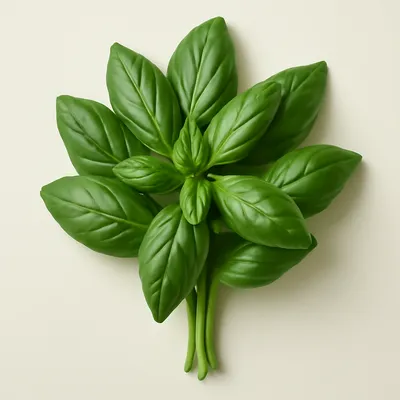
Meanwhile make a simple filling: a thick tomato sauce seasoned with salt and basil, and the Ragusano cut into thin slices or grated.
- 310 min
Divide and roll a piece of dough out on a floured surface into a very large, very thin, almost see-through sheet.
Watch outRoll the durum dough almost translucent — the strong gluten lets it stretch paper-thin, and that's what makes the many fine crisp-and-soft layers.
- 45 min
Spread tomato sauce thinly over the whole sheet and scatter over the cheese and torn basil.
- 54 min
Fold the two opposite sides of the sheet in to meet in the middle, then add a little more sauce and cheese on top of the folded part.
- 65 min
Fold again from the ends, folding it over on itself into a flat rectangular parcel of several layers, and pinch the open edges to seal.
Watch outPinch the open edges tight to seal the parcel — a loose seal lets the sauce leak out and the layers puff apart in the oven.
- 74 min
Lift onto a lined tray, brush the top lightly with oil, and prick or slit it once or twice so steam can escape.
- 838 min
Bake in a hot oven, about 220 to 230 degrees, until deep golden, crisp and blistered, around 30 to 40 minutes; rest a few minutes, then slice.
Watch outBake hot until deep golden and blistered — the outer sheets crisp and brown while the sealed inner layers steam soft.
Archive tool suggestions — not reviewed
These legacy suggestions have not been evidence-reviewed and are not presented as required tools.


