A folded, sealed turnover made from the same leavened dough as Neapolitan pizza. A disc of dough is filled, folded into a half-moon, crimped shut at the edge, and baked in a very hot oven until the crust puffs, blisters and browns. The Neapolitan filling is built on ricotta with mozzarella or provola, often with salami or ciccioli (crisp pork-fat cracklings), black pepper and basil. It is eaten out of hand and is the baked cousin of the deep-fried pizza fritta; in Apulia the small fried version is called panzerotto.




A dish of southern Italy, particularly Campania and Apulia, made from pizza dough and so tied to the home of pizza, Naples. The name comes from the Italian calzone, «trouser» or «stocking», after the shape of the folded, stuffed pocket of dough. It is commonly described as having begun as a portable, plate-free meal — a whole pizza that could be folded over its topping and eaten in the hand by workers and on the move — though the early history is not precisely documented. The defining distinction in Neapolitan usage is the cooking method: the calzone is oven-baked, which separates it from the deep-fried pizza fritta of Naples and from the small fried panzerotti of Apulia.
The crust is the giveaway: thin where it is sealed, puffed and air-pocketed along the fold, blistered with dark leopard spots from the fierce oven, crisp outside and chewy within. Cut or torn open, it releases a cloud of steam and a soft, hot filling — ricotta gone creamy, mozzarella or provola pulling in strings, the salami or ciccioli salty and savory against the milky cheese, all lifted by black pepper. A good one is sealed tight so nothing leaks; a poor one splits at the seam, the filling weeps out, or the centre stays pale and doughy because the oven was too cool.
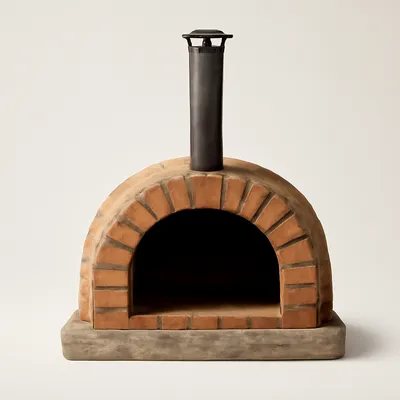
Everything hinges on a hot oven and a tight seal. The leavened dough is slack and extensible from a long, slow fermentation; in the heat its trapped gas and steam expand fast, the fold inflates, and the surface starches and proteins brown through the Maillard reaction to give the spotted, crisp crust. Crimping the edge firmly is structural — it traps the steam that puffs the pocket and stops the moist filling from bursting out and scorching on the floor of the oven. Ricotta is chosen for the filling because it is relatively low in moisture and holds together when hot, where a wetter cheese would flood the pocket and steam the crust soggy from within; the mozzarella or provola is what melts into strings. The very high baking temperature is needed to set and colour the crust before the steam can soften it.
Variations
The signature Neapolitan filling is ricotta with mozzarella or provola, salami or ciccioli, pepper and sometimes a little tomato; some versions add a smear of sauce on top after baking. The deep-fried calzone — calzone fritto, close kin to Naples' pizza fritta — fries the same sealed pocket in oil instead of baking it, often filled with ricotta, provola and ciccioli or with tomato. In Apulia the small fried version, typically stuffed with tomato and mozzarella, is the panzerotto. It should not be confused with the panzerotto's baked, oven-finished half-moon, nor with the calzone's American descendant, which is generally larger, tomato-sauced and far from the Neapolitan original.
On the Palate
Where Calzone sits in the Italian flavor cloud
Ingredients
Serves 2
How it's made
7 steps · 30 min
- 1480 min
Make a leavened pizza dough from flour, water, a little yeast and salt; knead until smooth, then let it ferment slowly until well risen and relaxed, several hours or overnight in the fridge.
- 210 min
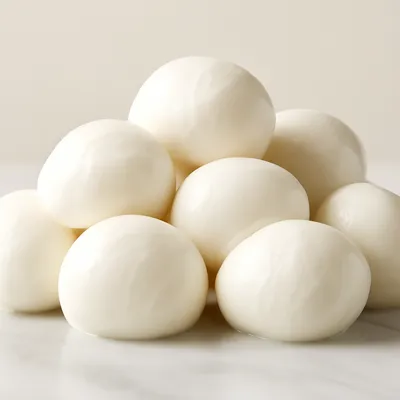
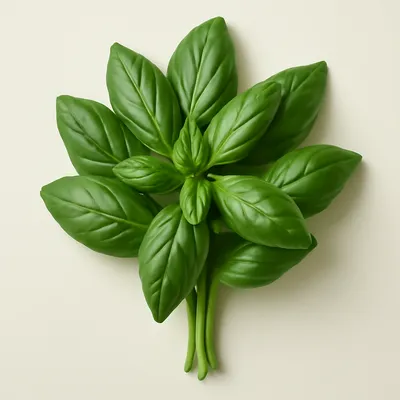
Mix the filling: drain the ricotta well and combine with diced or sliced mozzarella or provola, the salami or ciccioli, plenty of black pepper, a pinch of salt and a few basil leaves.
Watch outDrain the ricotta well before mixing — a wet filling steams and leaks, soaking through the crust so it won't crisp.
- 38 min
Divide the dough into balls and, on a floured surface, stretch each one by hand into a round disc, keeping the rim slightly thicker.
- 45 min
Heap the filling onto one half of each disc, leaving a clear border, then fold the dough over into a half-moon.
- 55 min
Press and crimp the edge firmly all the way round to seal, folding the rim over on itself so it cannot open in the oven.
Watch outCrimp the edge firmly all the way round, folding the rim over itself — a weak seal bursts in the oven and the molten filling scorches on the tray.
- 612 min
Slide the calzoni onto a hot baking surface or stone and bake in a very hot oven (ideally above 250°C) until the crust is puffed, browned and blistered.
Watch outBake in a very hot oven, above 250 degrees, until the crust is puffed, browned and blistered — anything cooler and it bakes up pale and doughy instead of crisp.
- 73 min
Rest a couple of minutes so the molten filling settles, then serve hot, cut or whole.
Archive tool suggestions — not reviewed
These legacy suggestions have not been evidence-reviewed and are not presented as required tools.