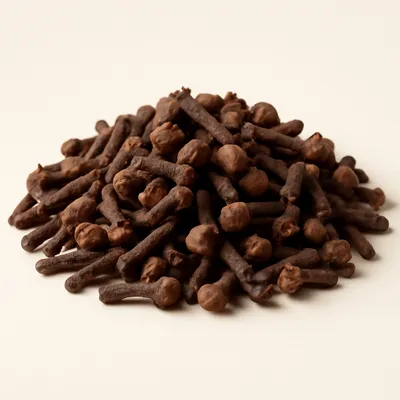
An outsized Tuscan cured pork and a Slow Food Presidium of the Valdarno, the upper Arno valley between Arezzo and Florence. Where most pork is cut up small, the tarese is taken as one huge rectangular slab from the whole back and belly of the pig, lard, loin fat and pancetta together, salted, then massaged with garlic and an unusually generous spice mix (pepper, juniper, cloves, wild fennel, orange peel), pressed flat and aged for a couple of months. Sliced paper-thin, it is eaten raw as an antipasto, its wide ribbons marbled lean and fat, or laid over grilled bread and meats.





The tarese belongs to the farm pork-butchery of the Valdarno, the stretch of the Arno above Florence around San Giovanni Valdarno and Terranuova Bracciolini, in the province of Arezzo. Its defining feature is size: cut in a single wide rectangle from the back and belly of the pig, a tarese can run close to a metre long and weigh well over ten kilograms, far larger than an ordinary pancetta. It is dry-salted for about ten days, then rubbed all over with garlic and a lavish spice mix and aged some two to three months. Long a local, almost home-made product, it is now safeguarded by a Slow Food Presidium; the origin of the dialect name tarese is uncertain.
On the plate it is all wide, marbled ribbons, creamy fat streaked with rose-pink lean, that all but dissolve on the tongue. The taste is sweet pork fat, deeply savoury and salted just right, carried by a big, resinous perfume of pepper, juniper and clove with a citrus lift from the orange peel. Richer and more aromatic than plain pancetta, it wants only warm unsalted bread.
Tarese is a raw cured meat, made safe and delicious by salt, time and drying rather than heat. The dry salt draws water out of the pork by osmosis and lowers its water activity, so spoilage bacteria cannot grow, while enzymes in the fat and muscle slowly break proteins and fats into savoury amino acids and aromatic compounds over the weeks of aging, which is where the depth of flavour comes from. Pressing the slab flat speeds even salt penetration and moisture loss through the thin section. The abundant garlic and spices are more than seasoning: their essential oils are antioxidant and antimicrobial, protecting the exposed fat from going rancid and the surface from unwanted moulds during the long open cure. Slicing paper-thin lets the firm, aged fat warm and melt on the tongue.
Variations
Recipes for the rub vary from farm to farm in the balance of garlic, pepper and spice, and some add wild fennel flower, coriander or a little chilli. The cut is essentially the whole side, though its exact borders and final size differ with the pig and the maker. Tarese is above all sliced thin and eaten raw as an antipasto, but the Valdarno also grills it, wraps it around roasting meats and lays it over bruschetta, where the warm fat melts and perfumes the bread.
On the Palate
Where Tarese del Valdarno sits in the Italian flavor cloud
Ingredients
Serves 20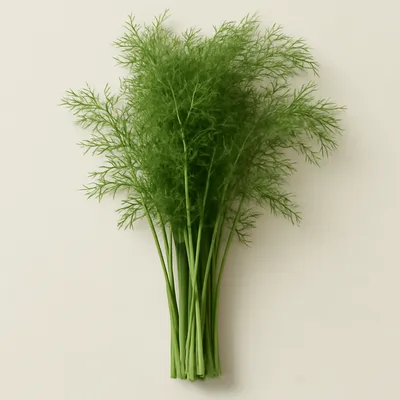

How it's made
8 steps · 2 hours
- 130 min
Bone out a single wide slab from the back and belly of the pig, keeping the fat and lean together, and trim it square.
- 214400 min
Rub the slab all over with plenty of coarse salt and lay it flat under a light weight for about ten days, turning it now and then.
Watch outRub the slab all over with plenty of coarse salt and press it under weight — the salt drawing water out is the whole preservation; skimp and it can spoil before it cures.
- 310 min
Brush off the excess salt and pat the surface dry.
- 415 min
Crush the garlic with pepper, juniper, cloves, wild fennel and orange peel into a coarse paste.
- 520 min
Massage the spice paste firmly into every side of the slab.
- 62880 min
Press it flat again and leave it a day or two for the seasoning to take.
- 793600 min
Hang or lay it to age in a cool, airy place for two to three months, until firm.
Watch outHang it two to three months until firm throughout — that even firmness is the sign it has dried and aged safely all the way through.
- 810 min
Slice paper-thin across the marbling to serve raw.


