Fresh anchovy fillets cured briefly in salt, then "cooked" in vinegar until the flesh turns from grey and translucent to firm and white, and finished under olive oil with sliced garlic and herbs. No heat touches the fish — the acid does the work, ceviche-style. It is the most elemental ouzeri meze, served cold straight from its oil with bread. Garlic, parsley, and a clean vinegar bite define it against the richness of the oil.
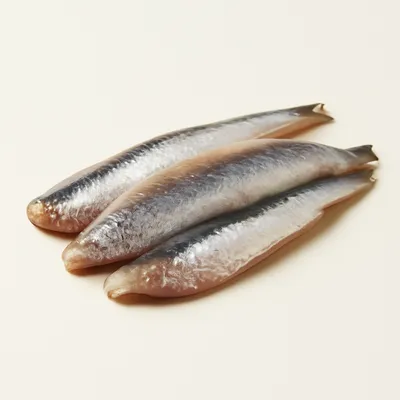




Gavros (the European anchovy) is one of the small, abundant, cheap fish that have fed the Aegean for millennia, and marinating it in vinegar is a preservation method shared right across the Mediterranean — the same dish appears as boquerones en vinagre in Spain and acciughe all'aceto in Italy. In Greece it is meze in the purest sense: a small, sharp, oily plate built for the ouzeri and the tsipouradiko, the tavernas organised around ouzo and tsipouro where each round of drinks arrives with a little dish of something salty. The technique long predates refrigeration; salting then acidifying kept the catch usable for days without cooking it.
Silky, firm little fillets, white and opaque, with a clean sour-salt punch and the perfume of raw garlic and parsley running through. The texture is the tell — set and tender like very fresh cured fish, neither raw-soft nor cooked-flaky. The olive oil they rest in mellows the vinegar's edge. Cold, sharp, and bracing, a couple of fillets on bread between sips of ouzo.
The method is two stages of chemistry, no cooking. First a salt cure (a few hours to overnight) draws out moisture and firms the soft anchovy flesh by osmosis, which also seasons it and improves texture. Then the rinsed fillets sit in vinegar: the acid lowers the pH and denatures the muscle proteins, the same coagulation that heat would cause, which is why the translucent grey flesh turns opaque and white and goes firm — this is curing/marinating, the principle behind ceviche. Finishing under olive oil seals the fillets from air, slows further souring, and carries the garlic and herb flavours; the fish keeps for days chilled in the oil.
Variations
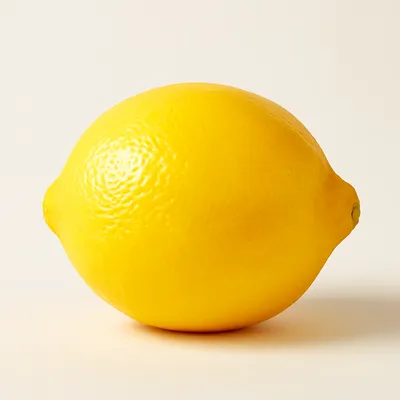
Some cooks use lemon juice or a vinegar-lemon mix instead of straight vinegar for a softer acidity. Sardines (sardeles) are marinated the same way when anchovies are out of season. The herb finish varies — parsley is standard, but oregano, dill, or a little fresh chilli also appear, and thin onion slices are a common addition to the oil. Gavros is also famously eaten simply floured and fried (tiganitos), the hot counterpart to this cold meze.
On the Palate
Where Gavros Marinatos sits in the Greek flavor cloud
Ingredients
Serves 6How it's made
6 steps · 30 min
- 130 min
Gut and butterfly the fresh anchovies: pull out the spine and open each into a flat double fillet. Rinse and pat dry.
- 2480 min
Layer the fillets in a dish, salting between layers, cover, and chill 4 hours to overnight to firm the flesh.
Watch outSalt-cure until the flesh firms up — the salt draws out water by osmosis, which is what tightens the soft anchovy before the vinegar goes on.
- 35 min
Rinse off the salt well and pat dry. Lay the fillets back in a clean dish.
- 4360 min
Pour over vinegar (or a vinegar-lemon mix) to cover and chill until the flesh turns opaque white and firm, about 5–6 hours.
Watch outThe fillets are ready when the translucent grey flesh turns opaque white and firm — that's the acid 'cooking' the protein, same as ceviche.
- 510 min
Drain off the vinegar, transfer the fillets to a container, and cover with olive oil, sliced garlic, and chopped parsley.
- 660 min
Chill at least an hour before serving cold from the oil, with bread.
Archive tool suggestions — not reviewed
These legacy suggestions have not been evidence-reviewed and are not presented as required tools.